• Skip to main content
  • Skip to footer
chevron-down search panel ressource caret-down close info share patrimoineprocheorient 3d arrow-right check checkbox chevron-right zoom-out arrow-left hd interactif map map-alt pen pdf photo photo print sound triangle typo-moins typo-plus video medias youtube instagram facebook pinterest twitter zoom-in download dots info POI filter
Étiolles, Palaeolithic encampments
  • Home
    • Explore the site
      • Historical and environmental context
      • The Upper Palaeolithic in Europe
      • The Magdalenian in Europe
      • The Magdalenian in the Paris Basin
      • Climate and the environment
      • The archaeological site
      • Four decades of research
      • Wide-spread exploration
      • The habitations, camps and their surroundings
      • The right environment
      • The organisation of the camps
      • The habitations
      • Hunting
      • Hunting strategy and tactics
      • Butchering and feeding
      • A cluster of horse remains
      • Technology and symbols
      • Expertise in everyday activities
      • Adornment, art and curiosities
      • Étiolles, a centre for scientific innovation
      • From the field to the laboratory
      • A training and outreach centre
    • The Magdalenians in their camps
      • The camp of two related families
      • Life inside the tents
      • Around the tents
      • A glimpse of a Magdalenian community
      • One family, several stays
      • Three successive habitations
      • An unusual method for producing blades
      • D71-1, a very unusual habitation
      • Flint knapping
      • A prodigious flint deposit
      • The principles of knapping
      • Flint knapping: why?
      • Norms and technological variation
      • Mastery of traditional techniques
      • A long apprenticeship
      • Some differences between the camps
    • The engraved pebble from Étiolles
      • A major discovery
      • The background to the discovery
        • Exceptional artistic evidence
        • The front
        • The back
      • Comparisons and interpretations
      • Elsewhere at the same time
      • A stone that tells a story
      • The impact of the discovery
      • A very important discovery for the region
      • The engraved pebble at the musée de Nemours
    • More insights into the Magdalenian way of life
      • Other Magdalenian habitats in the Paris Basin
      • A region rich in remarkable habitats
      • Diverse hunting practices
      • A region lacking in symbolic evidence
      • The Magdalenian in Switzerland
      • Living in a treeless landscape
      • An economy based on the hunting of diverse prey
      • Regularly changing location
      • The difficulties of decrypting the camps
      • A network of societies
      • The Magdalenian in the Rhineland and Thuringia
      • Contexts and habitats
      • Climate and environment
      • Working flint
      • Hunting strategy and tactics
      • Symbolic creations
    • Medias & Resources
    • Media Library
    • Glossary
    • Site map

Étiolles, Palaeolithic encampments

The Magdalenian nomads who came to Étiolles 15,000 years ago seem to have left only a few hours ago. Modest – and sometimes admirable – remnants of their sober life are intact after being buried in the soft alluvium of the Seine. Between secular and sacred life, it's like a "freeze frame" at the end of the Ice Age that the archaeologists are meticulously exploring.

  • archeologie.culture.fr
Media Library

Media library

Filtres - 194/219 Selected medias
  • Details of the head of the horse on the front

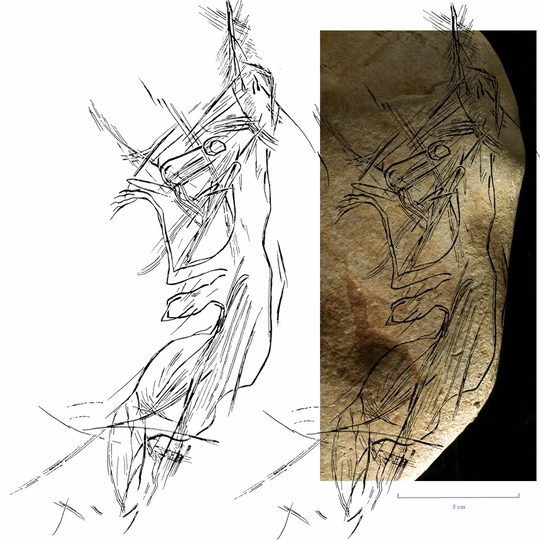
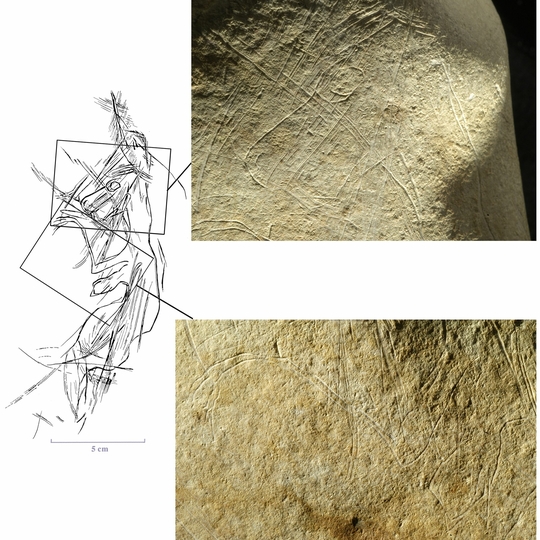
  • Close-up view of the therianthrope engraved behind the horse

  • Possible scenario for the stages in the engraving and use of stone objects, as may have been seen at certain sites during the Late Magdalenian

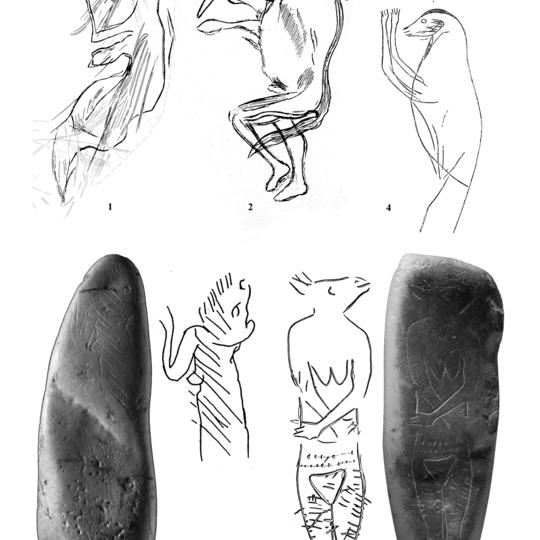
  • Comparing the therianthrope engraved on the pebble from Étiolles

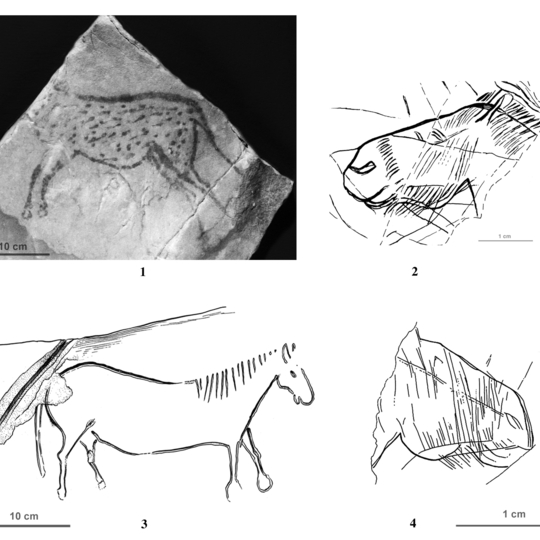
  • Horses in Palaeolithic art in the Paris Basin

  • The two horses from Étiolles compared to Magdalenian horses on stone tablets and walls

  • Drawing of the two reindeer on the back of the pebble

  • The back of the engraved pebble from Étiolles

  • Details of the therianthrope’s head, arm and breast

  • The banks of the Seine, 15,000 years ago

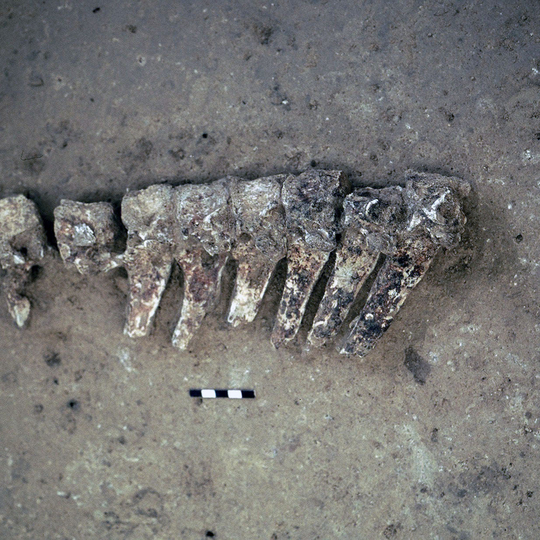
  • Vertebrae of horse

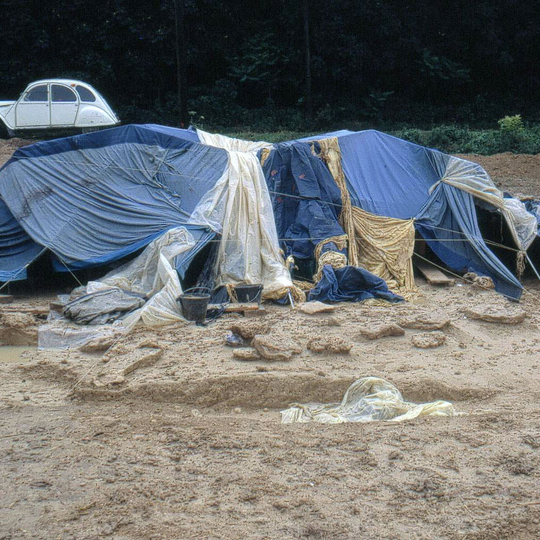
  • The first excavations, in 1972 - after the rain

Pagination

  • « First
  • ‹ Previous
  • …
  • Page 5
  • Page 6
  • Page 7
  • Page 8
  • Current page 9
  • Page 10
  • Page 11
  • Page 12
  • Page 13
  • …
  • Next ›
  • Last »

Discover the site

  • Historical and environmental context
  • The archaeological site
  • The habitations, camps and their surroundings
  • Hunting
  • Technology and symbols
  • Étiolles, a centre for scientific innovation

The Magdalenians in their camps

  • The camp of two related families
  • One family, several stays
  • Flint knapping
  • Norms and technological variation

The engraved pebble from Étiolles

  • A major discovery
  • Comparisons and interpretations
  • The impact of the discovery

More insights into the Magdalenian way of life

  • Other Magdalenian habitats in the Paris Basin
  • The Magdalenian in Switzerland
  • The Magdalenian in the Rhineland and Thuringia

Resources

  • Media Library
  • Glossary
  • Site map

About us

  • Credits
  • About us
  • Grands sites archéologiques
  • Legal information

About

Beyond time and space, the Archeologie.culture.fr collection presents the history and life of men through the research of the greatest specialists in French archeology.
Visit Archeologie.culture.fr

Discover other sites of the collection

  • 36,000 years ago
    Chauvet cave
  • 33,000 years ago
    Cosquer cave
  • France - 21,000 years ago
    Lascaux
  • 15,000 years ago
    Prehistoric sculpted rock shelters
ministère de la culture logo Musée d'achéologie nationale logo
Contact - Accessibilité : Partiellement conforme - - 2025. Ministry of Culture (en)