• Skip to main content
  • Skip to footer
chevron-down search panel ressource caret-down close info share patrimoineprocheorient 3d arrow-right check checkbox chevron-right zoom-out arrow-left hd interactif map map-alt pen pdf photo photo print sound triangle typo-moins typo-plus video medias youtube instagram facebook pinterest twitter zoom-in download dots info POI filter
Palmyra
Palmyra
  • Home
  • Home
    • Explore the site
      • The origins of Palmyra
      • An oasis: environment and climate
      • A caravan city
      • Ancient sources
      • Greco-Roman Palmyra
      • From the Temple of Bel to Zenobia
      • Palmyrene society
      • The gods of Palmyra
      • Urbanism and architecture
      • Public and monumental edifices
      • Temple of Bel
      • Temple of Baalshamin
      • Other sanctuaries
      • The necropolis
      • The arts in Palmyra
      • Sculpture
      • Mural painting
      • Tesserae
      • Clothes and body decorations
      • The rediscovery of Palmyra
      • Rediscovery in the 17th century
      • Deciphering Palmyrene
      • Cassas and the legacy of Palmyra
      • Archaeological missions
      • The Collart collection
    • Queen Zenobia
    • Wife of Odaenathus
    • The conflict with Aurelian
    • Zenobia’s legacy
    • Palmyra at the Louvre Museum
    • Bust of Yarhai
    • Bust of Ummayat
    • Relief of Maliku
    • Triad of Baalshamin
    • Incense altar
    • Rectangular tessera
    • Robert Amy in Palmyra (1930-1945)
    • Architecture and archaeology
    • Surveying the Temple of Bel
    • Robert Amy in the Near East
    • Resources
    • Media library
    • The collection
    • Credits
    • About us
    • Actors in archaeology
    • Contact
    • Content uploading platform
    • Legal notice

Palmyra

The oasis of Palmyra is a point of convergence of several trade routes in northwestern Syria. Mentionned in textual sources as early as the 2nd millennium B.C., the city knew its apogee in the Greco-Roman period, particularly under the reign of Queen Zenobia.

  • archeologie.culture.fr
  • patrimoineprocheorient.fr - (new window)
Media Library

Media library

Filtres - 212/263 Selected medias
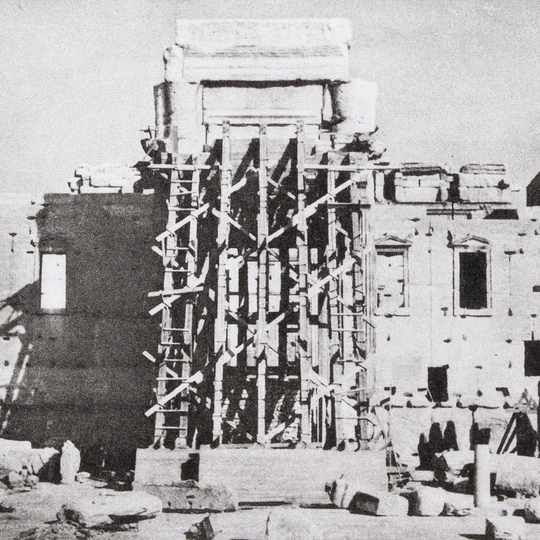
  • The restoration of the portal of the Temple of Bel.

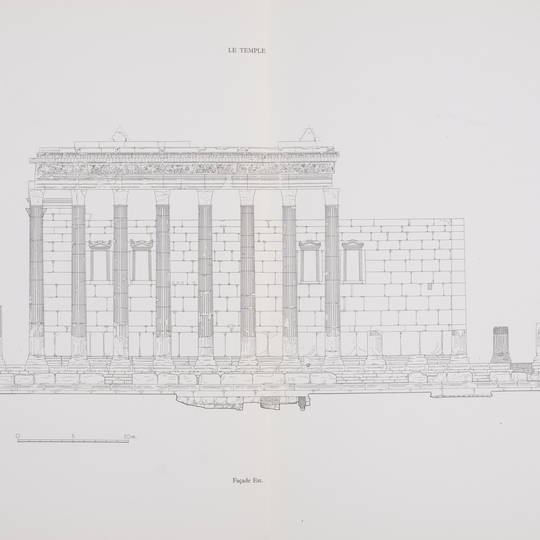
  • Elevation drawing of the eastern facade of the Temple of Bel

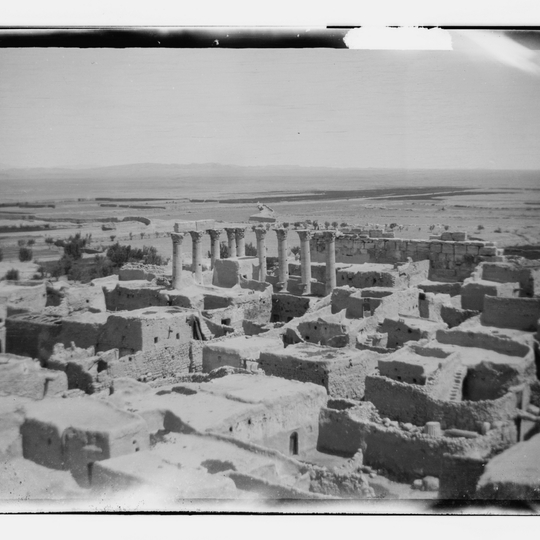
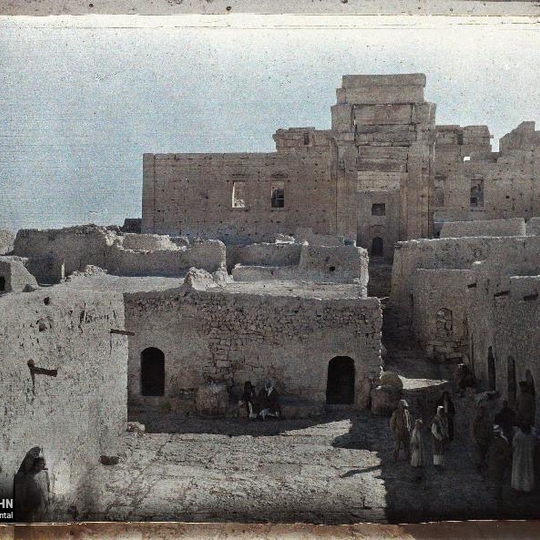
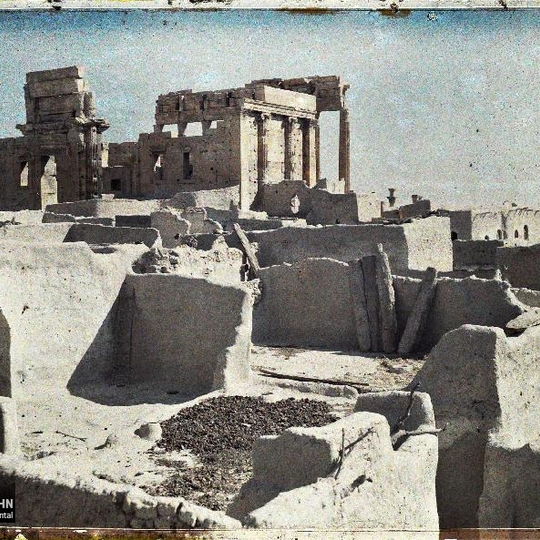
  • Palmyra. Village within the precinct of the Temple of Bel

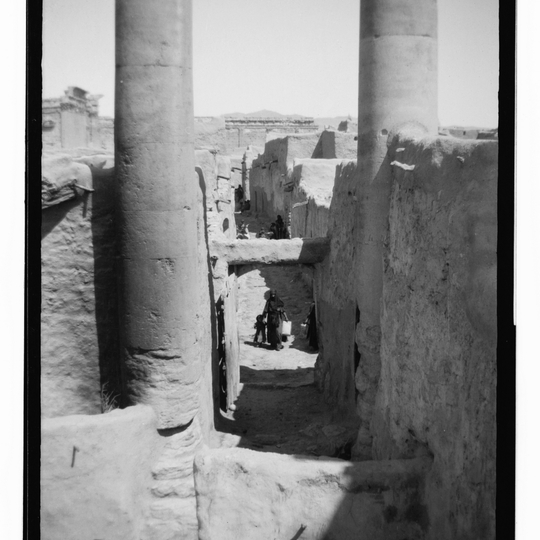
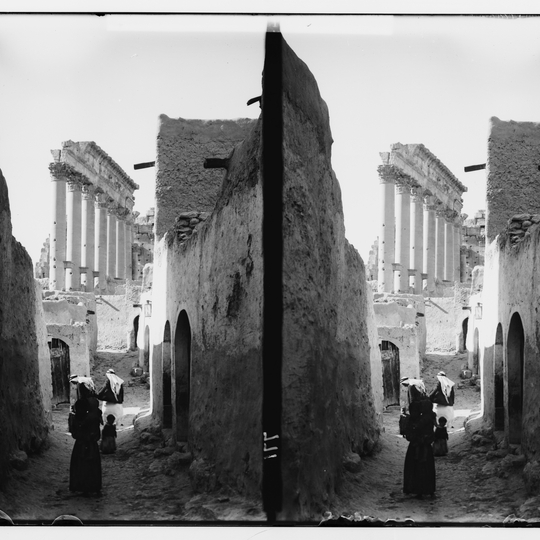
  • Palmyra. Village street in the precinct of the Temple of Bel

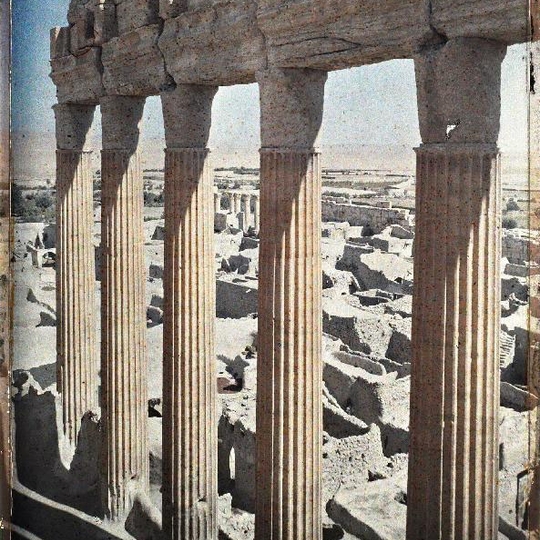
  • Pillars of the Temple of Bel. 1900-1920

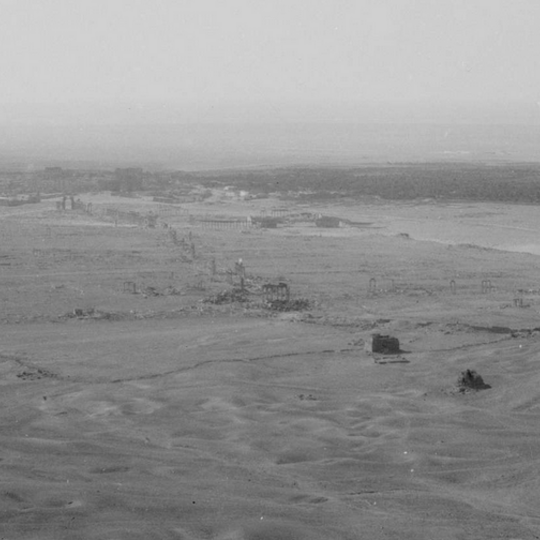
  • Valley of Palmyra. May 1929

  • Palmyra. Village street in the precinct of the Temple of Bel

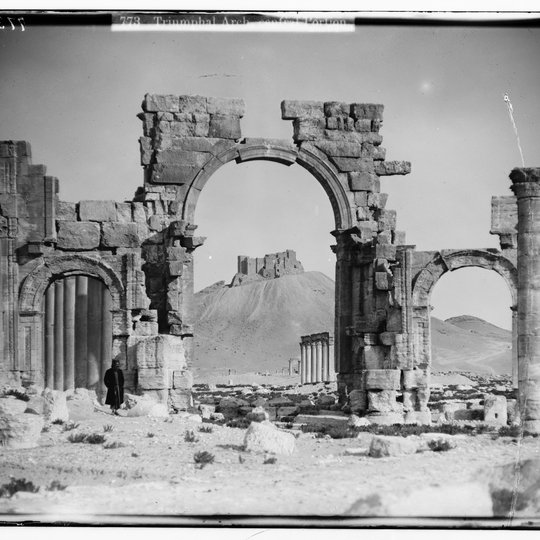
  • Triumphal arch in Palmyra

  • Syria, Palmyra, Temple of the Sun, Temple Facade and Village

  • Syria, Palmyra, Temple of the Sun, general view of the Temple and terraces of the village houses

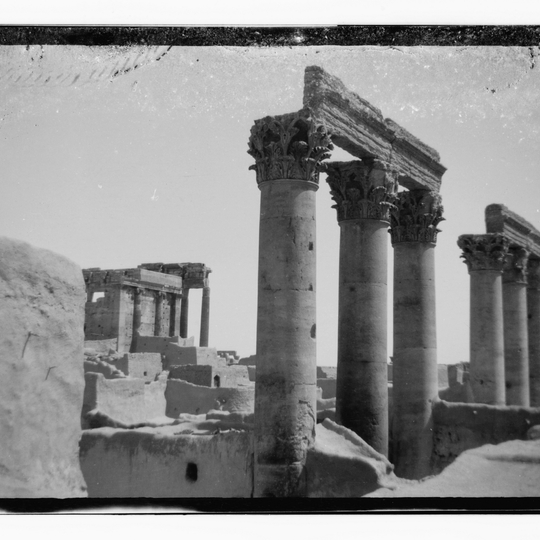
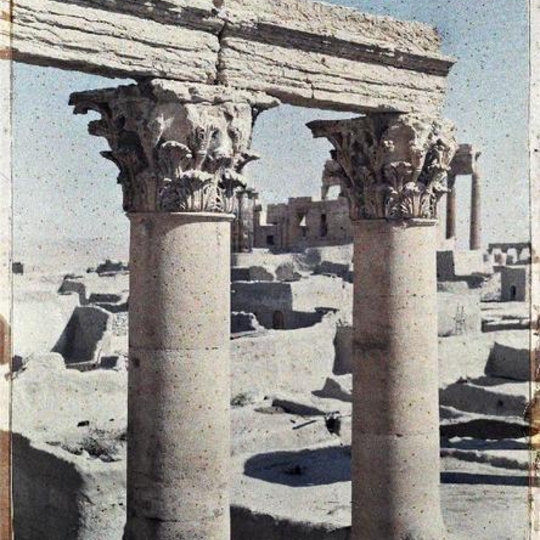
  • Two Corinthian columns of the Temple of Bel

  • Syria, Palmyra, Temple of the Sun, Colonnade of the Temple of the Sun

Pagination

  • « First
  • ‹ Previous
  • …
  • Page 9
  • Page 10
  • Page 11
  • Page 12
  • Current page 13
  • Page 14
  • Page 15
  • Page 16
  • Page 17
  • …
  • Next ›
  • Last »

Explore the site

  • The origins of Palmyra
  • Greco-Roman Palmyra
  • Urbanism and architecture
  • The arts in Palmyra
  • The rediscovery of Palmyra

Queen Zenobia

  • Wife of Odaenathus
  • The conflict with Aurelian
  • Zenobia’s legacy

Palmyra at the Louvre Museum

  • Bust of Yarhai
  • Bust of Ummayat
  • Relief of Maliku
  • Triad of Baalshamin
  • Altar
  • Rectangular tessera

Robert Amy in Palmyra (1930-1945)

  • Architecture and archaeology
  • Surveying the Temple of Bel
  • Robert Amy in the Near East

Resources

  • Media library
  • Site plan

The collection

  • About us
  • Actors in archaeology
  • Contact
  • Content uploading platform
  • Legal notice
  • Credits

Follow us

  • Facebook
  • Instagram
  • Twitter
  • Pinterest
  • Flickr
  • Sketchfab


  • Dailymotion

About

Beyond time and space, the Archeologie.culture.fr collection presents the history and life of men through the research of the greatest specialists in French archeology.
Visit Archeologie.culture.fr

Discover other sites of the collection

  • Syria - 5,000 years ago
    Mari
  • Iraq - 2700 years ago
    Khorsabad
  • Cuneiform and the Near East
  • Syrie - Il y a 7 000 ans
    Tell Feres
ministère de la culture logo Logo du ministère de l'Europe et des Affaires étrangères Musée d'achéologie nationale logo
Contact - Accessibilité : Partiellement conforme - - 2025. Ministry of Culture (en)