Ai Khanoum
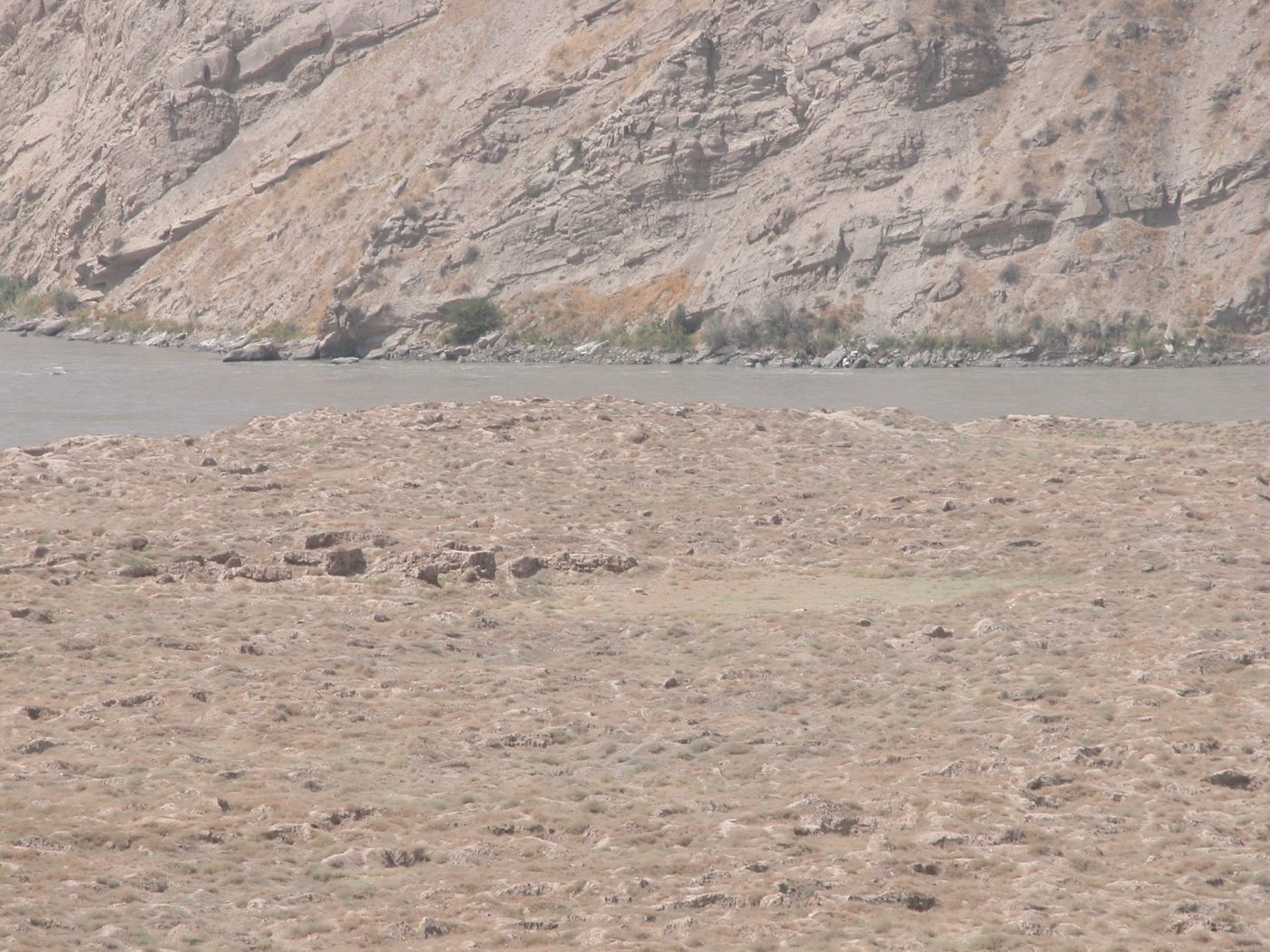
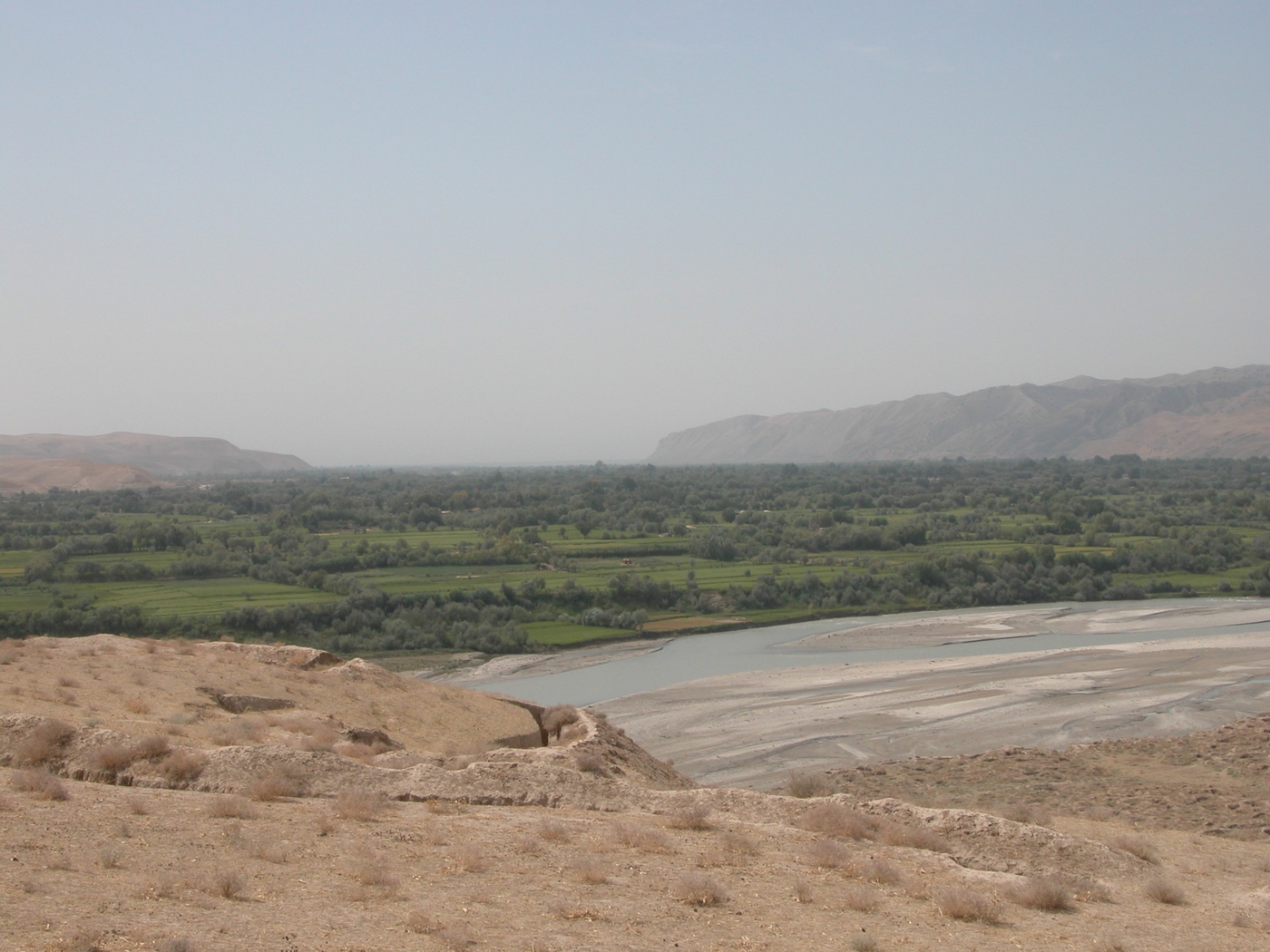
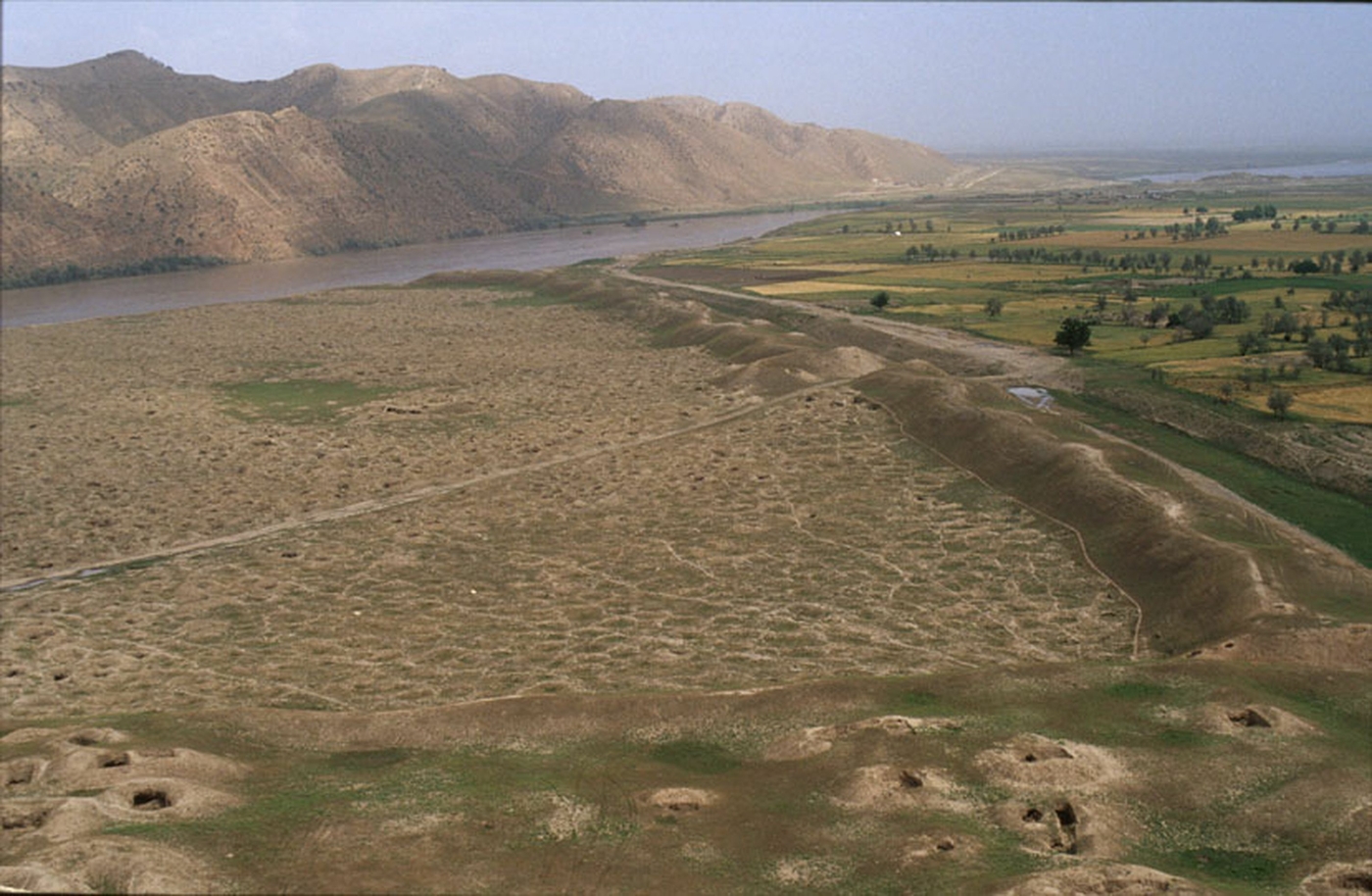
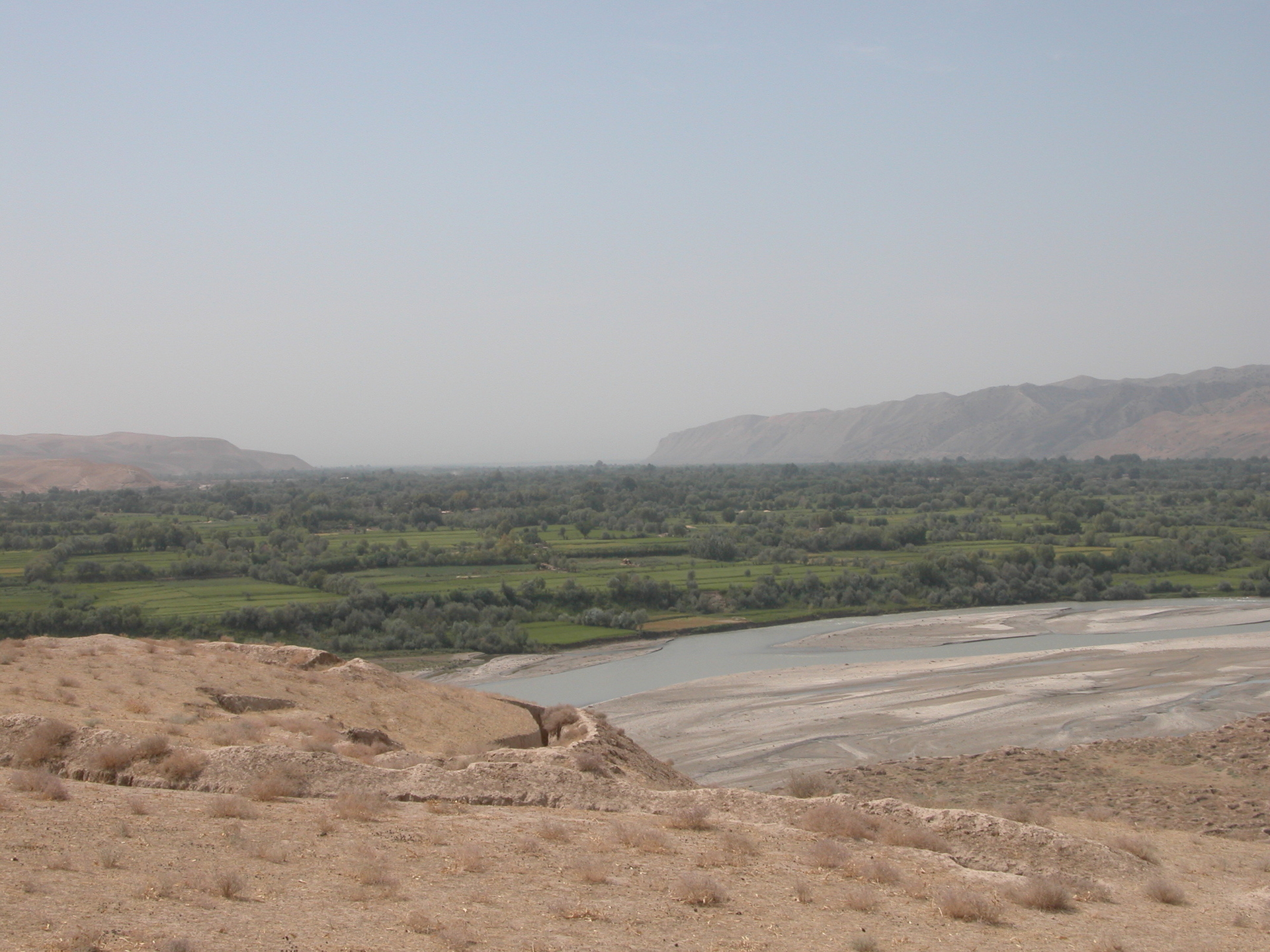
At the confluence of the Kotchka and the Amu Darya, in northern Afghanistan in Takhar Province, the site of Ai-Khanoum (Princess Moon) was the site of a major urban centre from the late 4th to the mid-2nd century BC. The upper town (l'Arg), overlooks a vast area bounded by the banks of the two rivers and a massive earthen rampart. It was there that the remains of a town founded by Greek settlers were unearthed.
Discovery and excavations
The site was first identified by Jules Barthoux in 1925 as containing evidence of ancient settlements. However, it was not until 1963 that it was reported to Daniel Schlumberger as probably being a ‘Greek’ site.
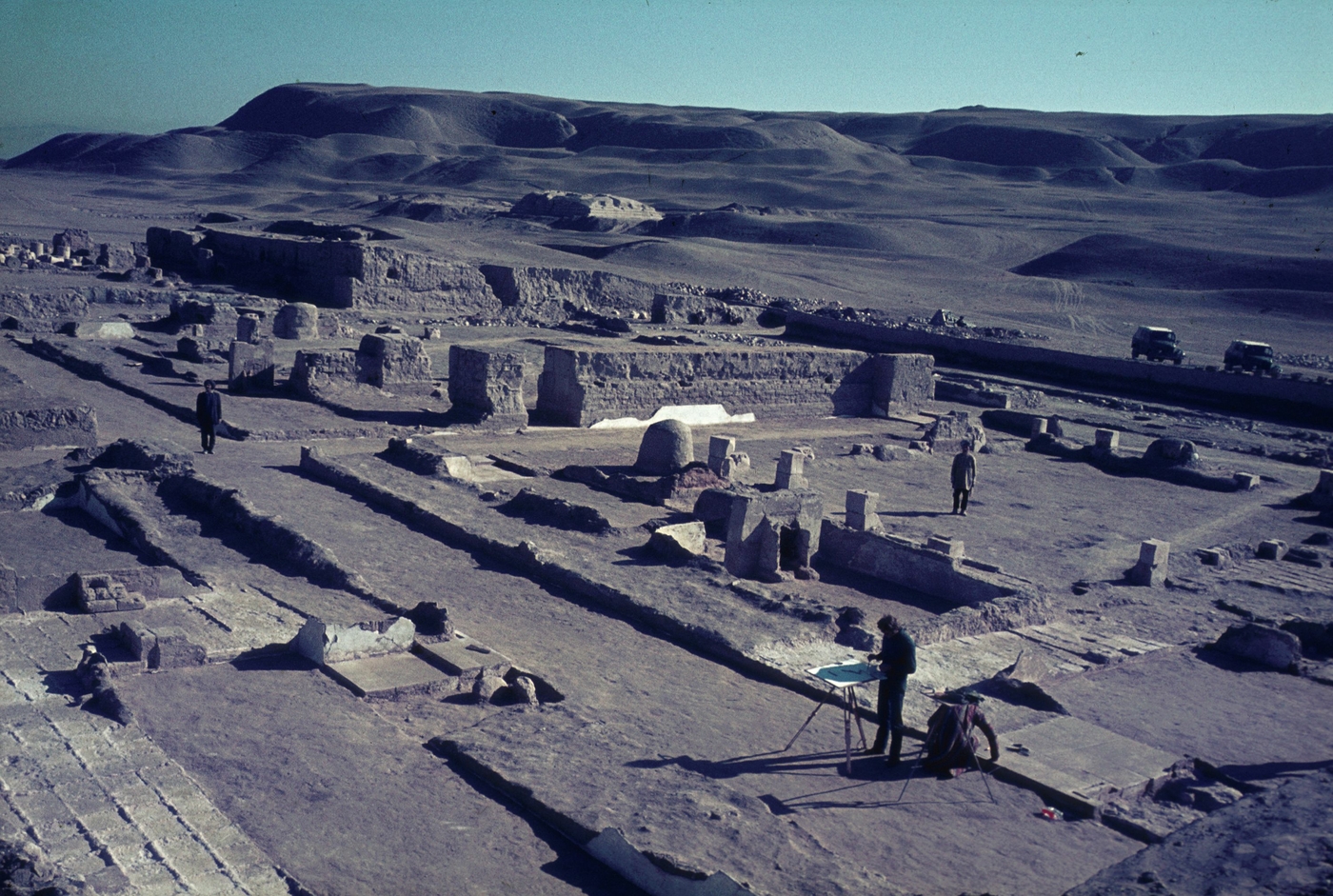
An initial excavation campaign was undertaken there back in 1964 and, based on the results, continued in 1965 and then on an annual basis until 1978. The Soviet invasion in 1979 marked the halt to exploration of what is still considered the most significant site of the Greeks’ presence in Afghanistan.
This discovery also recognised the efforts made by the French Archaeological Delegation in Afghanistan (délégation archéologique française en Afghanistan [DAFA]) since its establishment in 1922 to bring to life the epic story of Alexander and his successors in Afghanistan. The study conducted by Paul Bernard — the successor to Daniel Schlumberger as head of the DAFA — is still ongoing and has already resulted in numerous publications and thematic monographs.
A city founded by Seleucus I
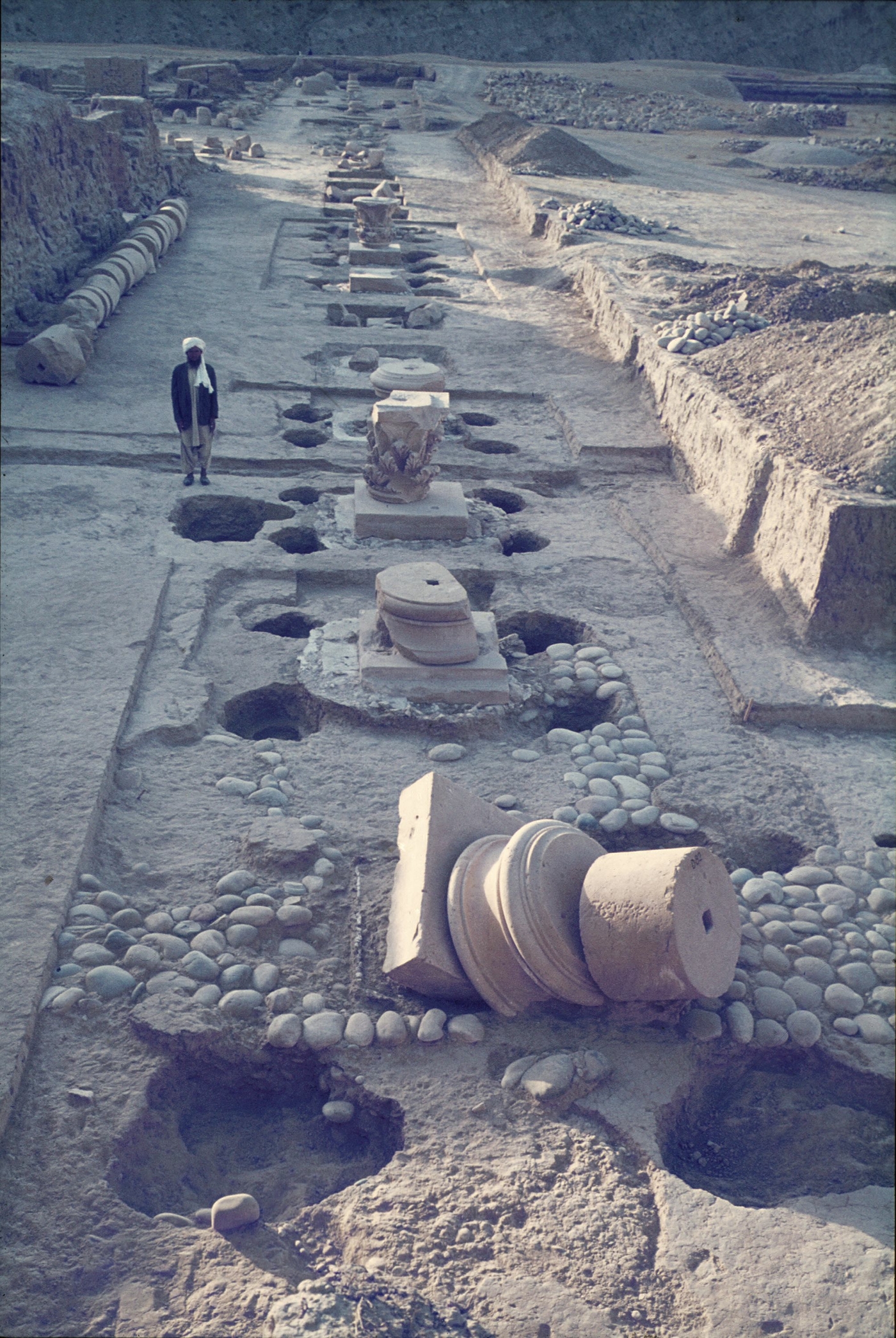
The lower town and its ramparts have been particularly well explored. The start of the implementation of the urban and architectural programme by the ‘Greeks’ can be dated to the final years of the 4th century BC. It was therefore not founded by Alexander himself, but more likely by Seleucus I (305–281 BC), the founder of the Seleucid Empire and dynasty. It is thought that the town was abandoned in the mid-2nd century BC and that the site was not subject to any significant reoccupation, which explains its good state of preservation.
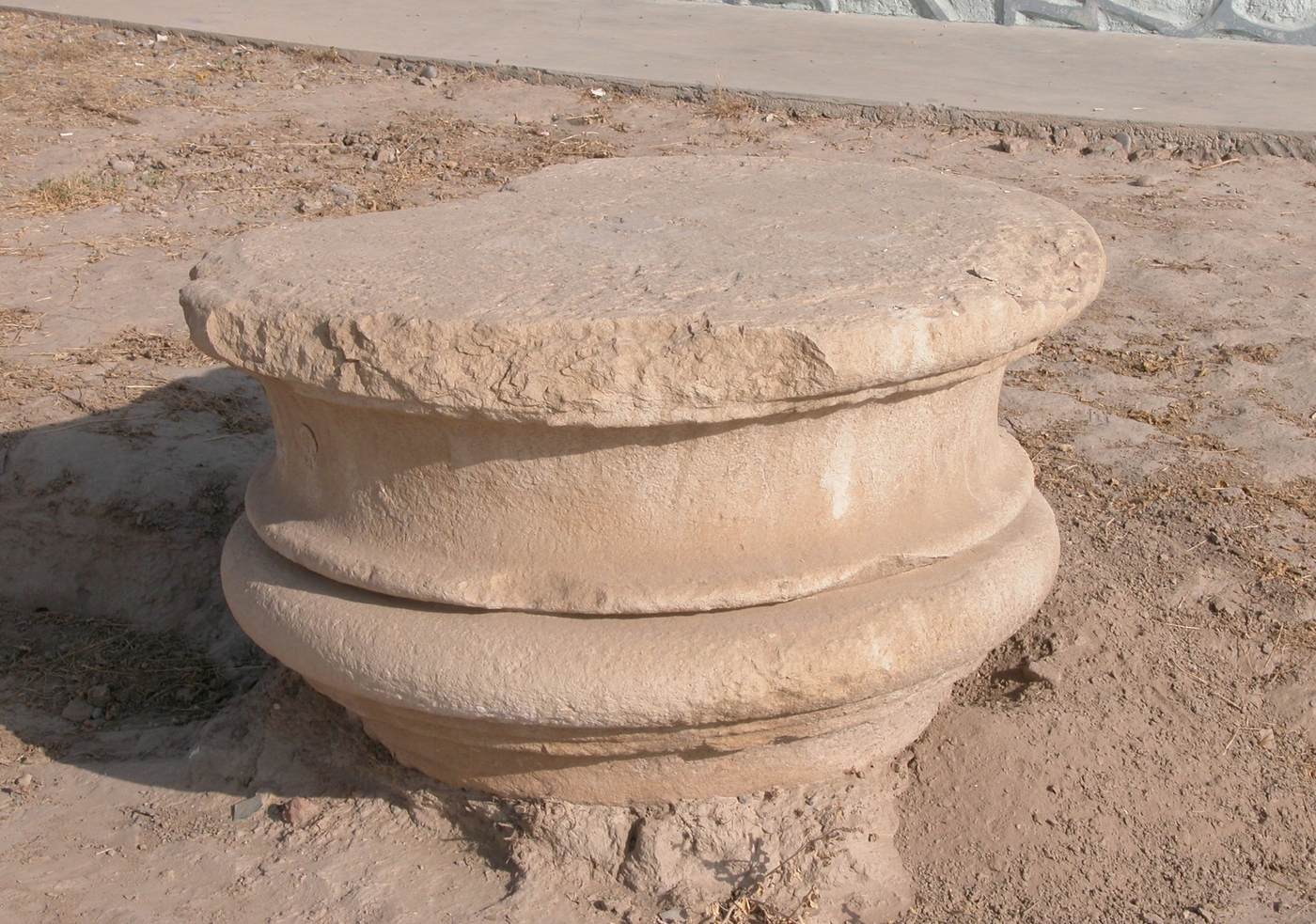
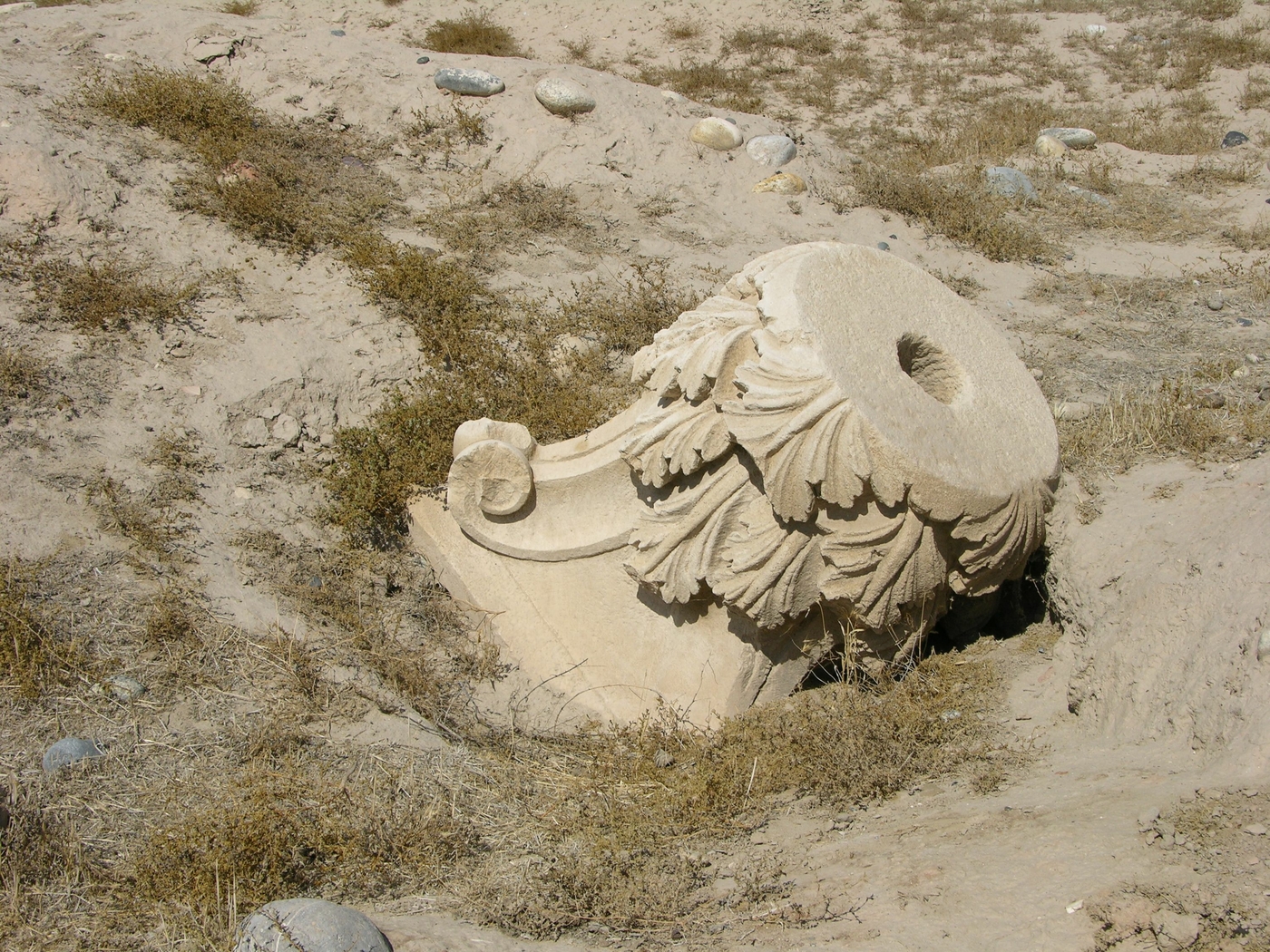
Administrative buildings, the arsenal, several temples, and votive or religious structures were identified, as well as a theatre. They were protected by a mighty rampart that stretched from the upper town, or arg, to the left bank of the Amu Darya. The excavation provided an opportunity to gather a significant body of epigraphic material, notably including the discovery of texts taken from the Delphic maxims and manuscripts attributed to the Neoplatonist philosopher Clearchus of Samos.
A site under threat
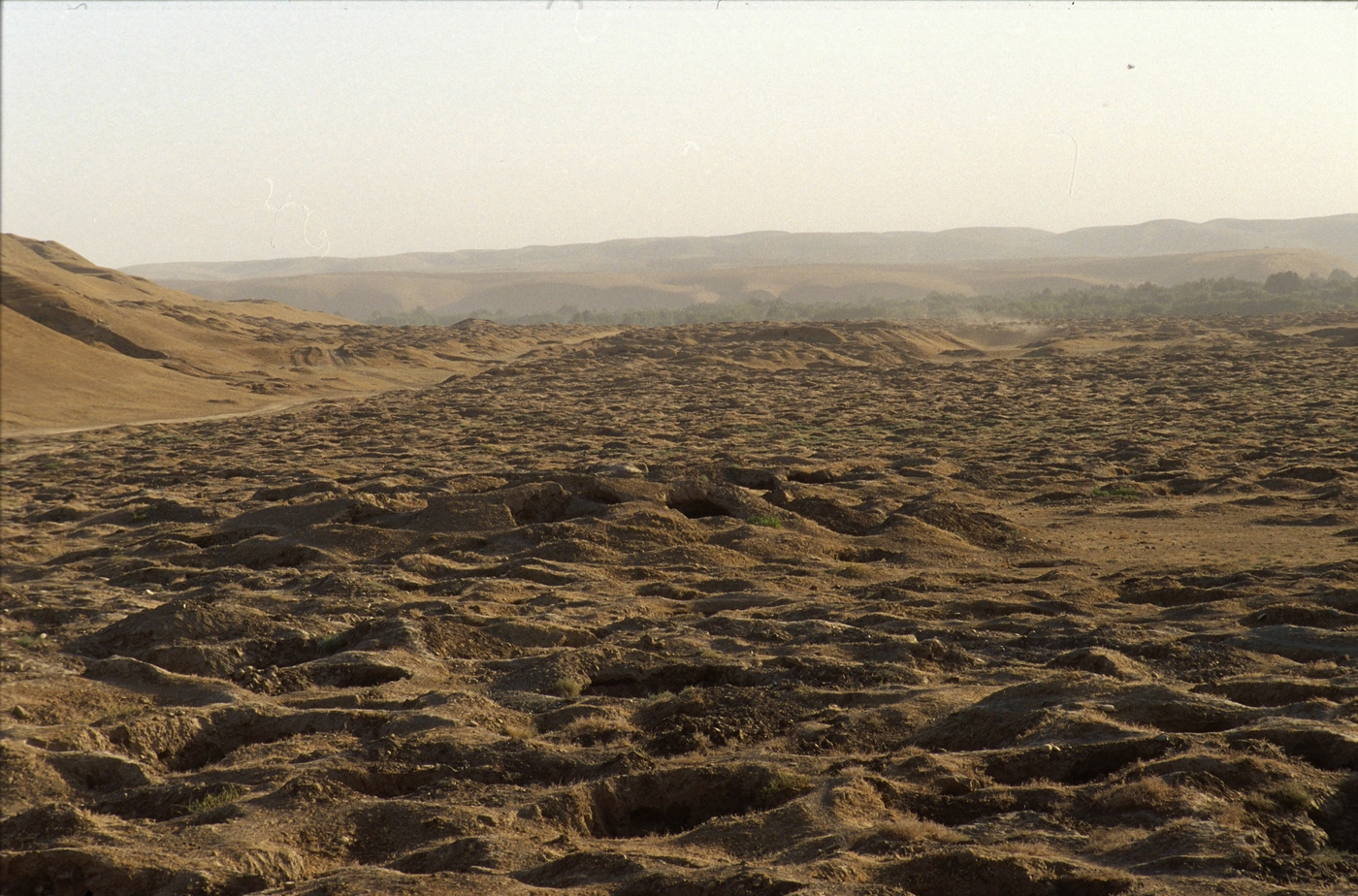
The site has suffered considerably from looting and the ravages of war between 1982 and the present day. Despite the efforts of the current Afghan government, its protection is far from being adequately ensured.