

From Wakarida to Wolwalo
Straddling a plateau rising to 2,800 metres and steep-sided valleys leading down to the Red Sea, Eastern Tigray is a marginal region. Its ancient settlement pattern reflects adaptation to a challenging natural environment and interactions with the great kingdoms of ancient Ethiopia: Daʿmat and, later, Aksum.
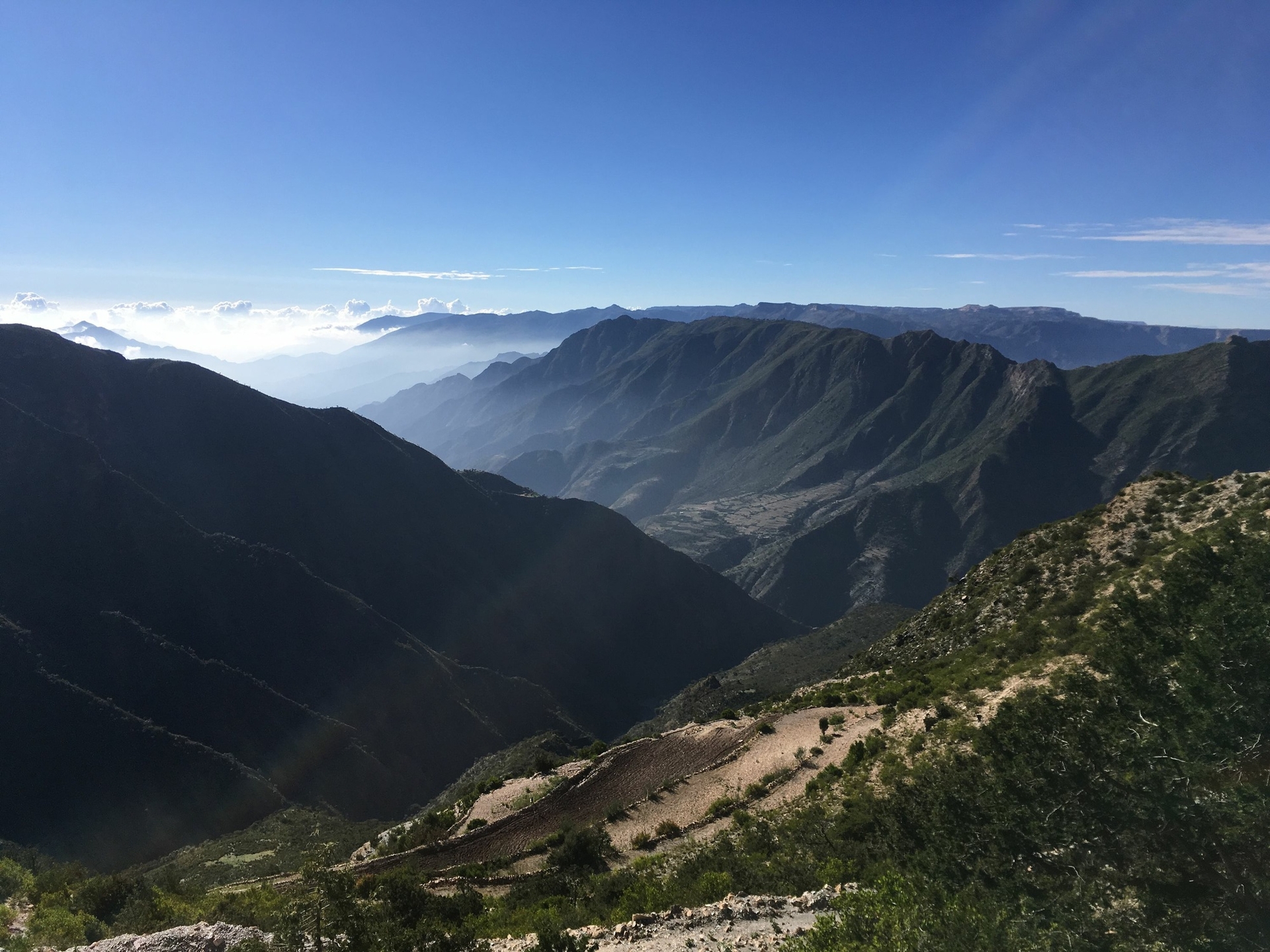
Since 2011, through surveys and excavations at the two archaeological sites of Wakarida and Wolwalo, a Franco-Ethiopian mission has been reconstructing the occupation of the territory, the economy and the environment during the region's key historical periods, between the 8th century BC and 9th century AD.
An archaeological mission at high altitude
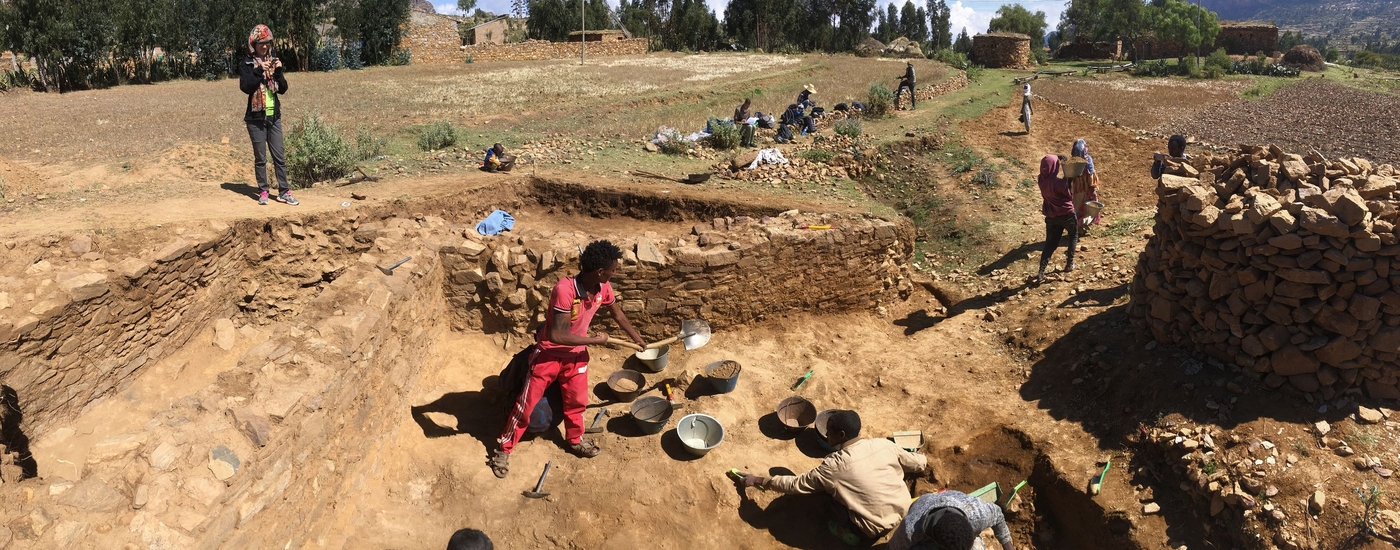
Selected in 2011 during an initial survey because it was situated away from the major ancient trade routes, which made it possible to gain a more direct insight into the evolution of ways of life, the Wakarida site is situated in a rugged region, with stunning landscapes but rudimentary infrastructure. No roads, just tracks that aren’t always readily passable; no electricity until 2018; traditional stone dwellings, magnificent but lacking in comforts, with earthen floors and a simple hole in the roof to let the smoke from the fires escape; no water on site, but water from the village well, which has to be fetched regularly. In these circumstances, the logistical, technical and human resources support provided to the mission by the Ethiopian Authority for Research and Conservation of Cultural Heritage, the Tigray Bureau of Culture and Tourism, and the French Centre for Ethiopian Studies (Addis Ababa) proved to be crucial. It is thanks to the unfailing support of Godana, Eyob, Tesfay, Tematchatche, Semene and Amare — who took turns as cooks, drivers, technicians, ingenious handymen and ever-cheerful companions — that the team was able to overcome the many hassles and headaches of daily life, caught between the demands of scientific research and an unforgiving environment; alternating between hot and cold, dry and very humid, and teeming with cacti, as well as all manner of animals and biting insects that were a constant presence in our daily lives.
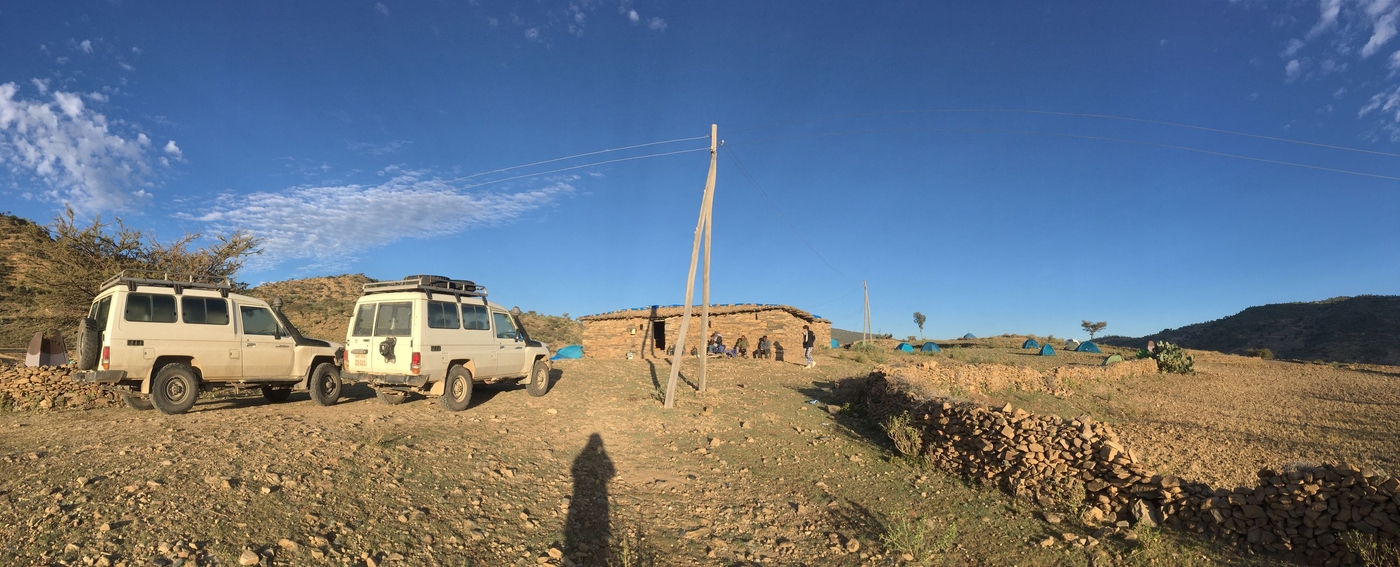
This day-to-day account of the archaeological excavations at Wakarida was featured in a short film, directed by Clara Barge, submitted as part of her final-school-year studies in cinema, and selected for the Cinemed film festival in Montpellier in October 2019.
Successive waves of settlement in eastern Tigray
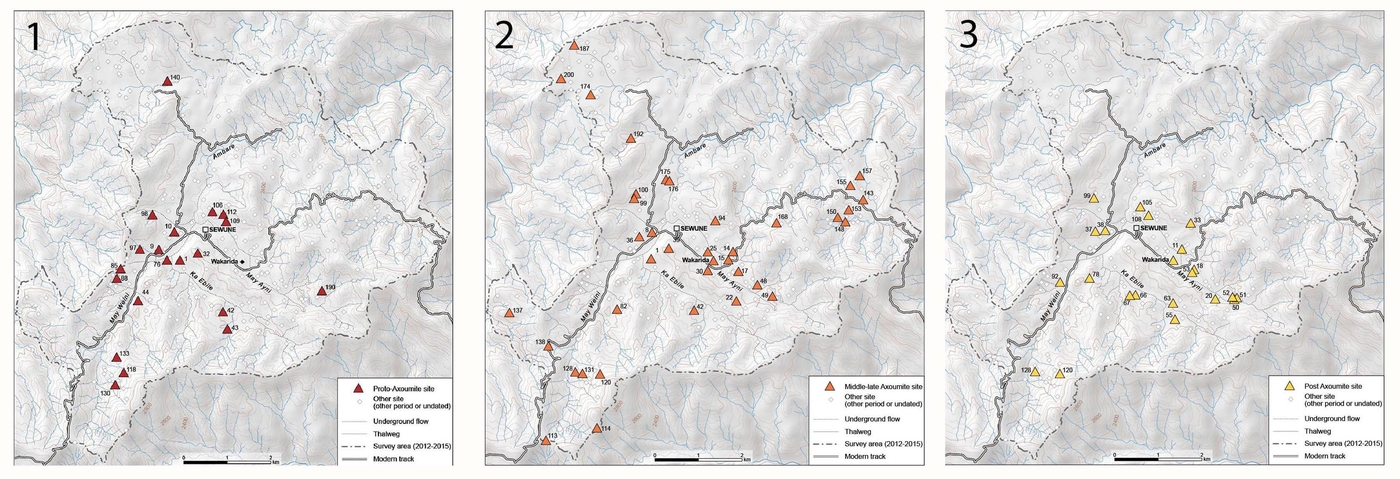
The surveys carried out by the Franco-Ethiopian mission have provided an insight into how people in the past inhabited the region.
The mountain range bordering the Tigray Plateau to the east was densely populated during the early pre-Aksumite period (8th–5th centuries BC) and the more recent period (4th–1st centuries BC). At that time, farms and villages dotted the valleys around Wakarida and the edge of the plateau at Wolwalo. The economy was predominantly agricultural, and the population was largely isolated from inter-regional cultural and commercial networks. It is thought that the first large-scale alterations to the local landscape, characterised by deforestation, date from this period.
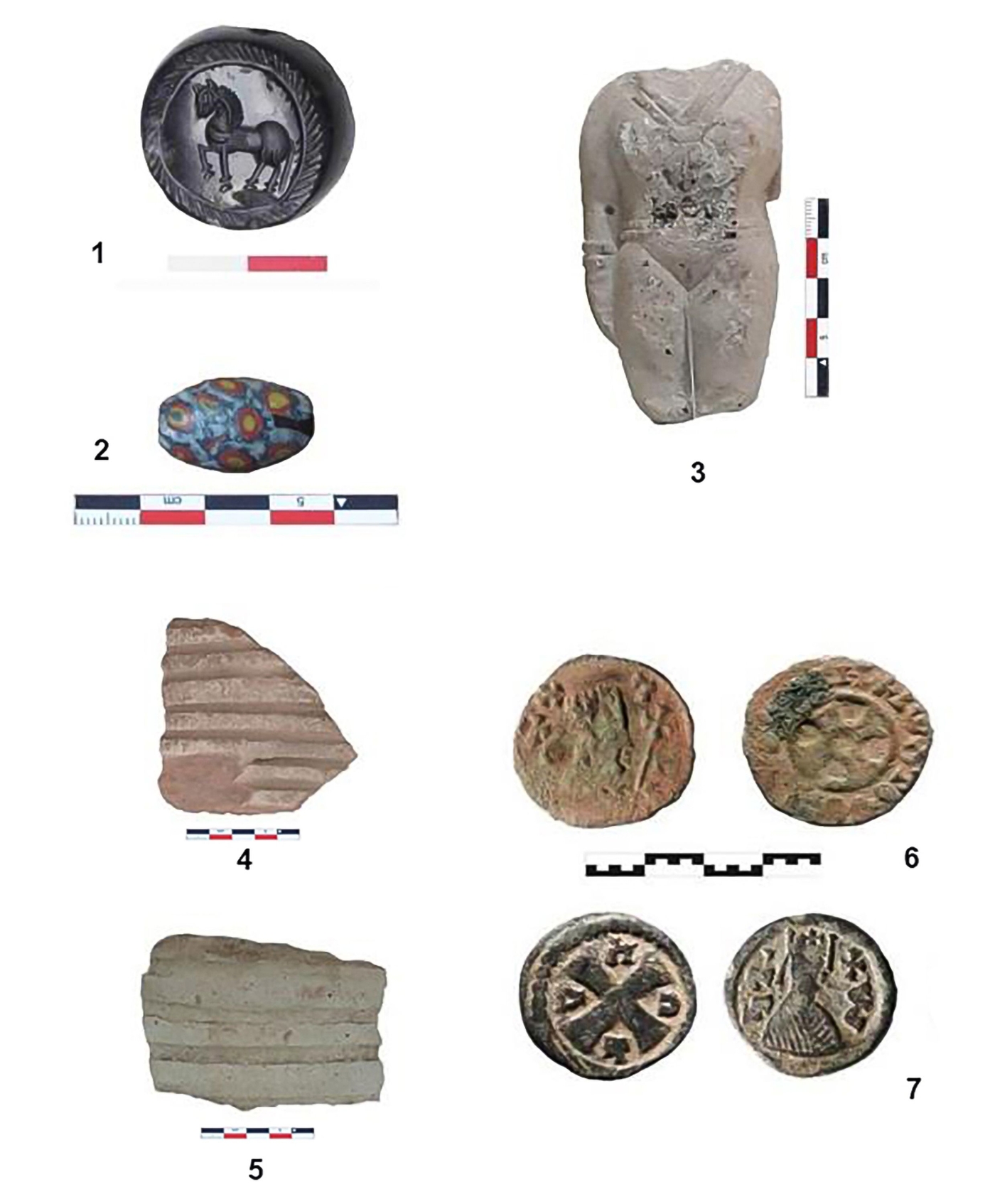
During the Aksumite period (1st–7th centuries), the population of this territory became more concentrated around a new urban centre, Wakarida (4th–7th centuries). The artefacts provide evidence of long-distance trade, as illustrated by the Aksumite coins, amphorae from Aqaba, a Roman bead and a Persian seal. This regional development coincided with the heyday of the Kingdom of Aksum.
Towards the end of the Aksumite period, the low-lying valleys around Wakarida were gradually abandoned in favour of the highlands of Tigray.

Wakarida, a town on the outskirts of the Kingdom of Aksum
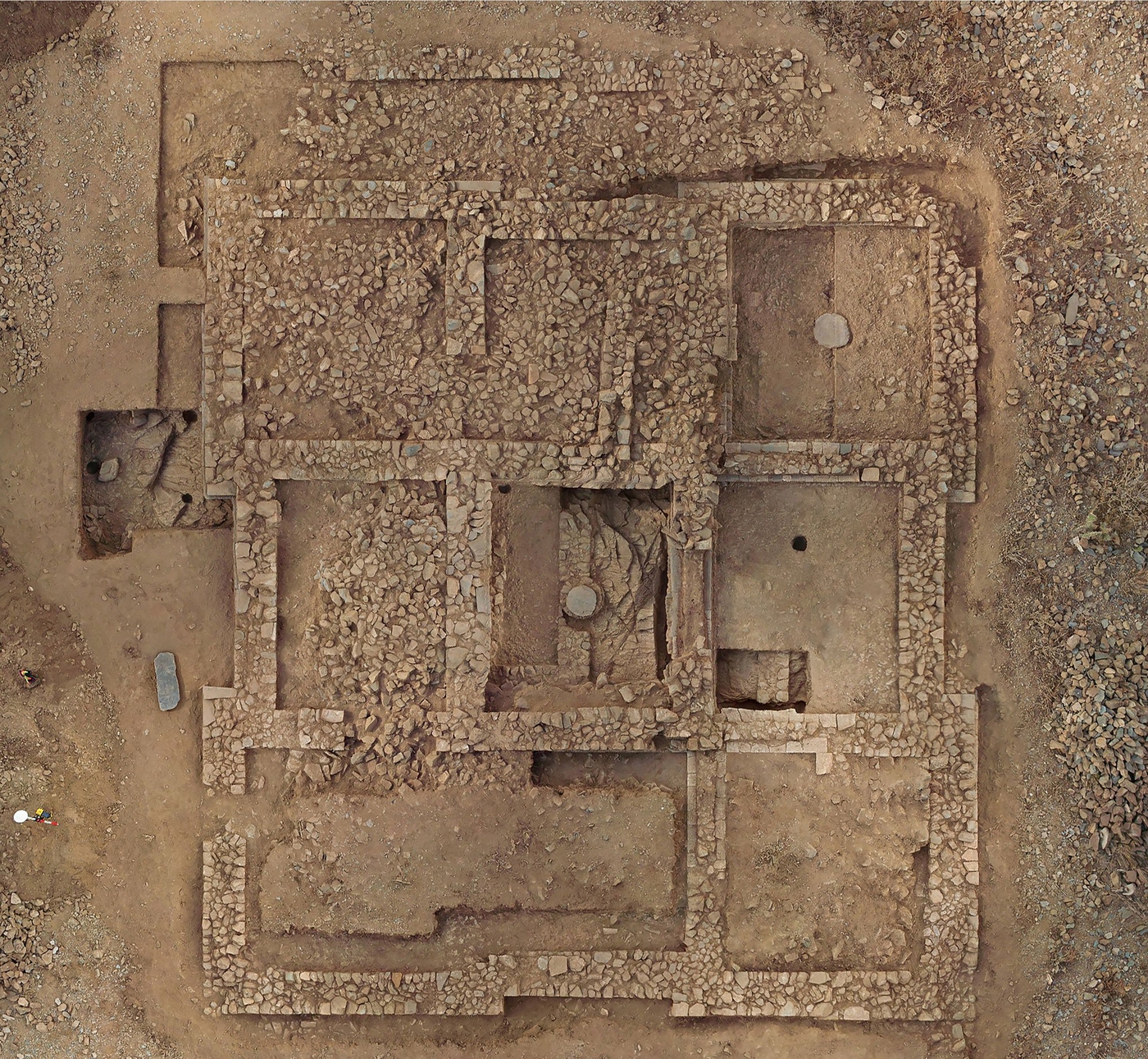
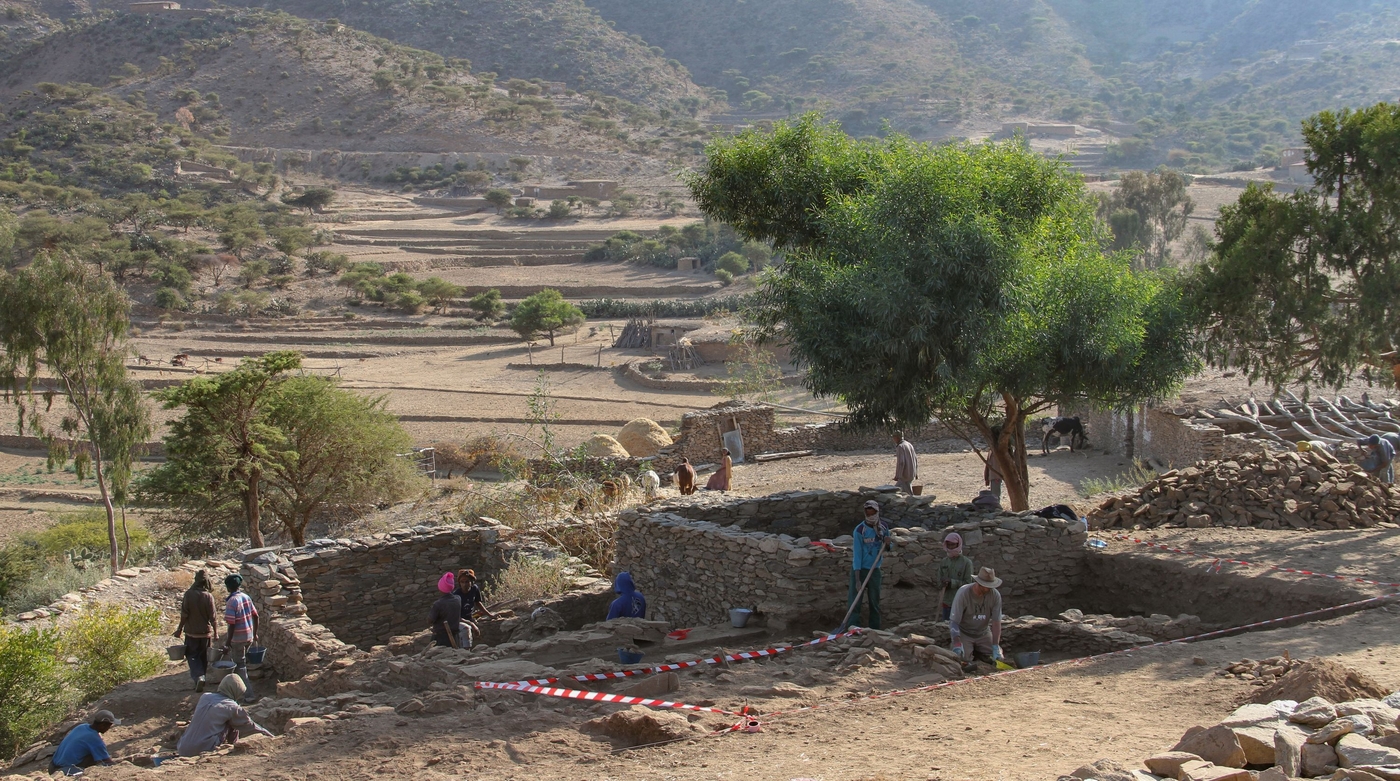
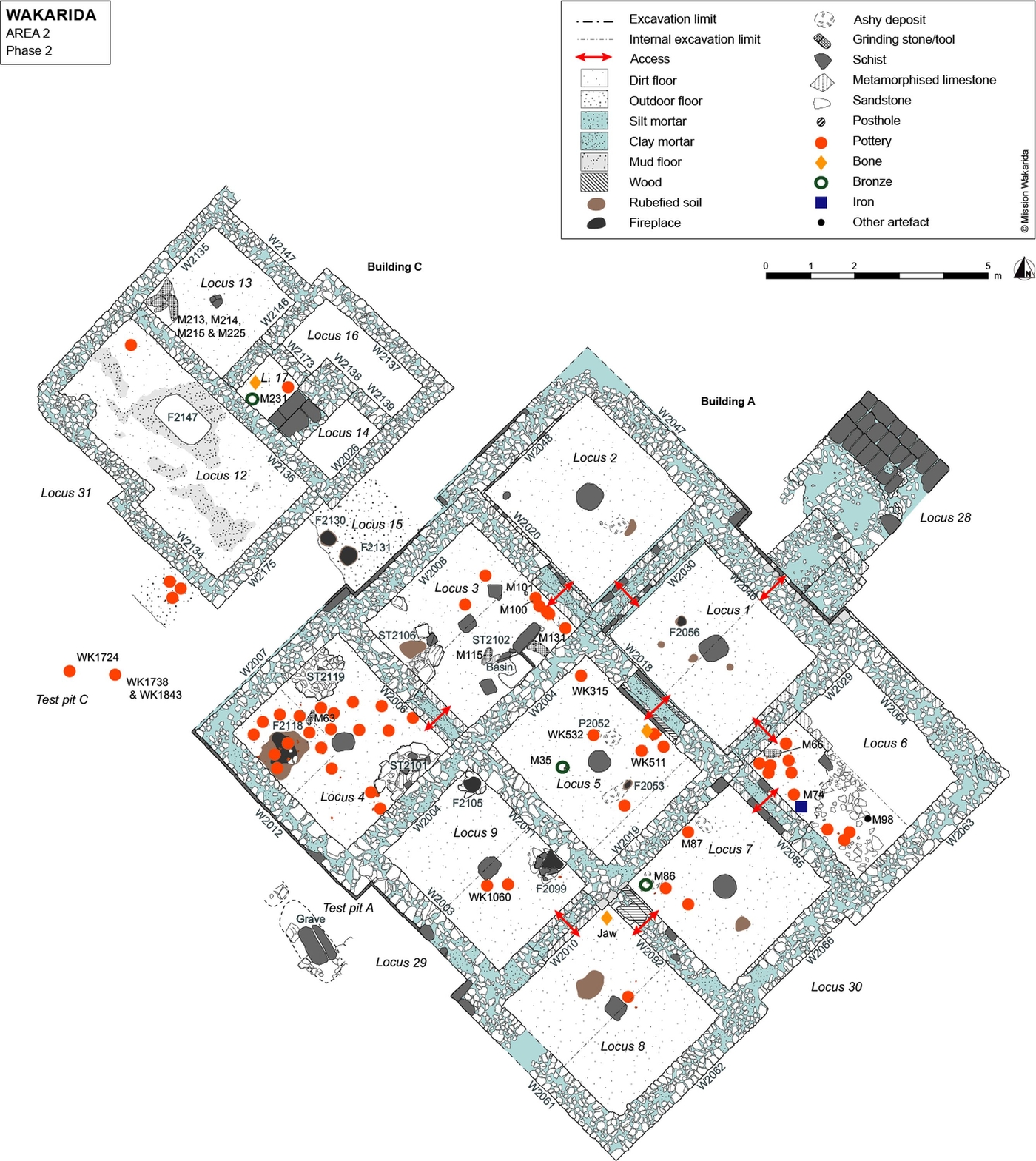
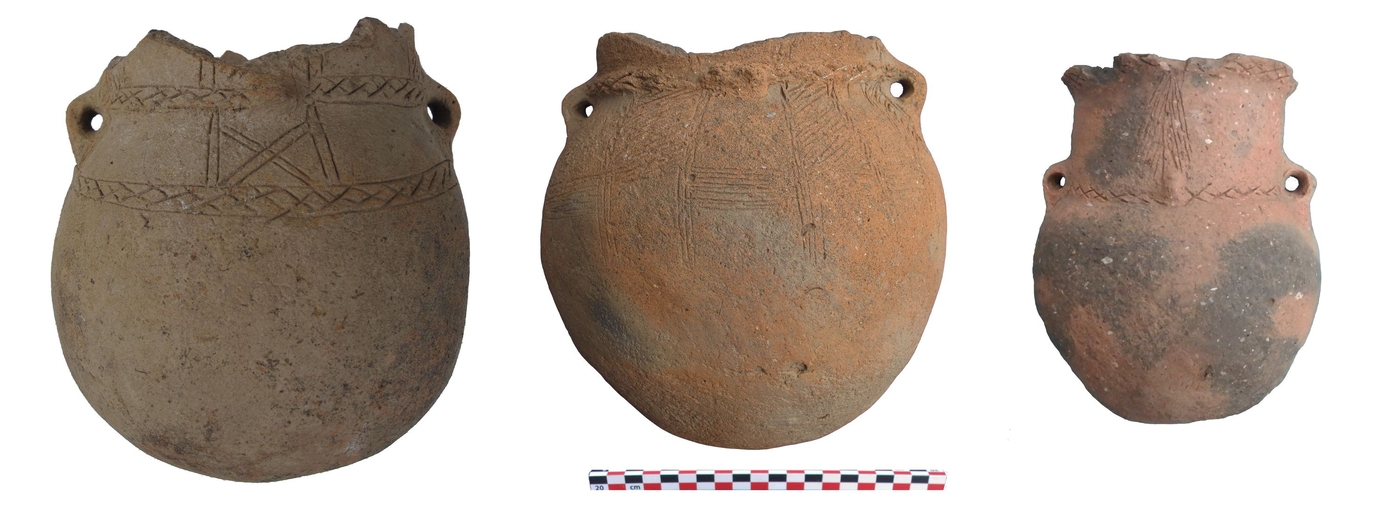
The Wakarida site is situated on the eastern edge of the Tigray Highlands, overlooking the Afar Depression. Excavations carried out in three sectors have revealed buildings of typical Aksumite architecture, accompanied by an abundance of ceramic artefacts, dating from between the 3rd and the 7th centuries AD, when the Kingdom of Aksum was at its height. Walls visible on the surface and shards of pottery provide evidence of other ancient remains. The site at Wakarida was no doubt a small settlement.
Although situated some distance from the kingdom's capital and its main roads, Wakarida shows clear links with Aksum and formed part of a network of sites extending to the far eastern reaches of the Tigray Highlands.
The excavation of the buildings at Wakarida has provided an opportunity to study rural domestic architecture that is firmly rooted in the Aksumite architectural tradition, yet distinguished by certain original features. This shared material culture, when compared with evidence from written sources, suggests the existence of a strong central authority controlling vast territories from at least the 3rd right through to the 6th–7th centuries.
The ups and downs of heritage in Tigray
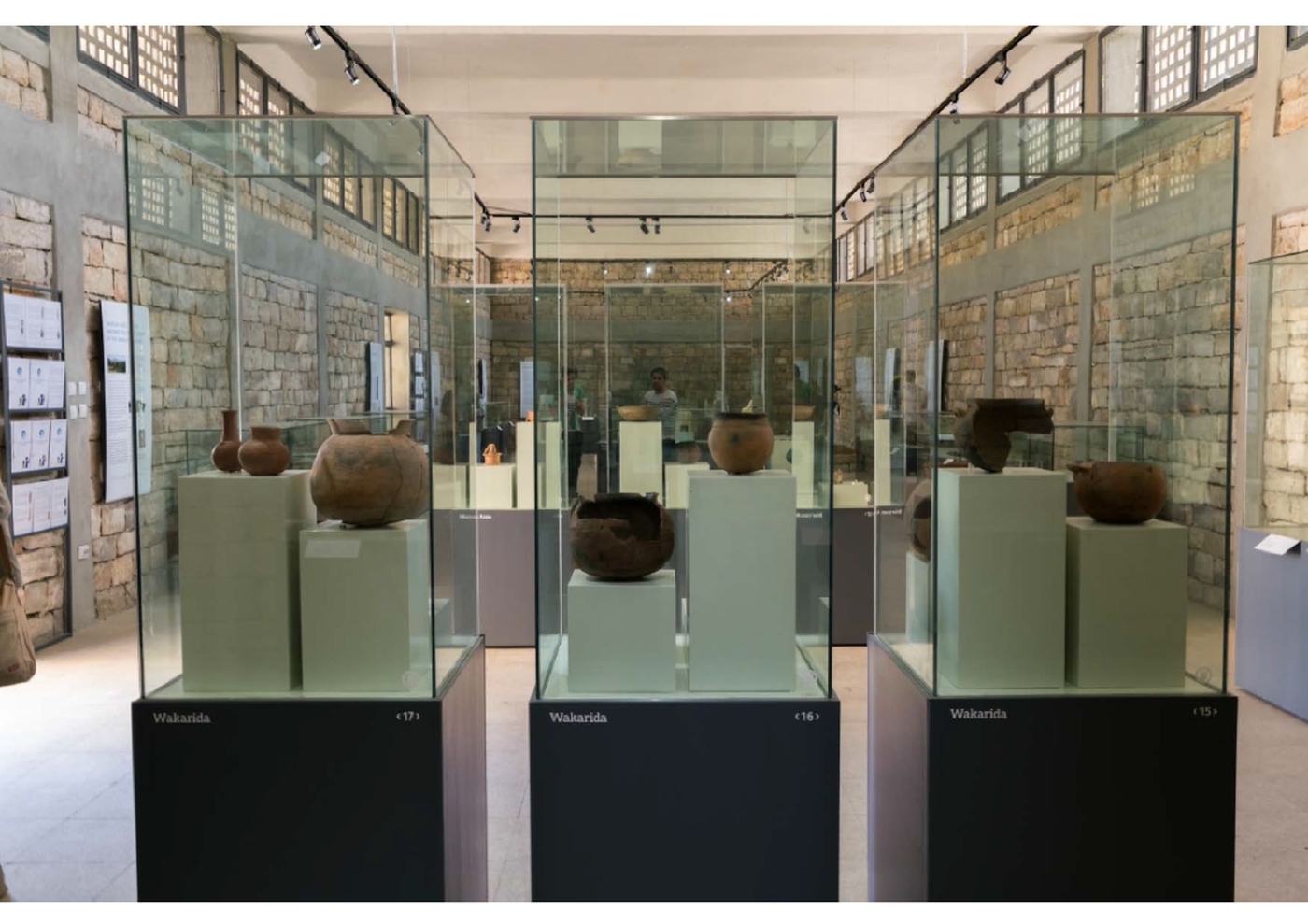
The Ethiopian province of Tigray boasts a wealth of cultural heritage. There are numerous pre-Aksumite and Aksumite archaeological sites here, such as Yeha and the city of Aksum, which is listed as a UNESCO World Heritage Site. Also worth mentioning are the many hilltop monasteries and churches carved into the rock. In order to showcase this heritage, new museums have been established in recent years, with one example being a former power station in Wukro that has been converted into an archaeological museum. Opened in 2015, it houses an archaeological exhibition showcasing finds from the various expeditions working in the region, notably those carried out at the Wakarida site.
However, in November 2020, mounting tensions between the Tigray region and the Ethiopian federal government led to an armed conflict. The combined attacks by the federal army, Amhara militias and the Eritrean army have led to the deterioration of numerous monuments and museums. The mission's recent finds have been looted, the archaeological artefacts from the 2020 campaign are scattered, and a return to the site cannot currently be envisaged.
Partnerships and institutional support
A number of organisations have contributed to the mission's activities through their technical, logistical, administrative and human resources support:
- ARCCH – Authority for Research and Conservation of Cultural Heritage, Addis Ababa
- CFEE – French Centre for Ethiopian Studies, Addis Ababa
- Department of Cultural Cooperation and Action at the French Embassy in Ethiopia, Addis Ababa
- TCTB – Tigray Culture and Tourism Board, Mekele
Our research activities are funded by the Ministry of Europe and Foreign Affairs, Paris; the CNRS (UMR 8167 Orient & Méditerranée, Paris; and UMR 5133 Archéorient, Lyon); and the Simone and Cino Del Duca Foundation, Paris. We would like to extend our warmest thanks to all these organisations for their support.
The mission's research was awarded the Simone and Cino Del Duca Foundation’s Grand Prix de l’archéologie in 2019.
Find out more about ArchéOrient – The Blog:
Wakarida: a glimpse into the archaeological mission in eastern Tigray (Ethiopia):
- Wakarida: a glimpse into the archaeological expedition in eastern Tigray (Ethiopia). 1/3
- Wakarida: a glimpse into the archaeological mission in eastern Tigray (Ethiopia). 2/3
- Wakarida: a glimpse into the archaeological expedition in eastern Tigray (Ethiopia). 3/3
From Wakarida to Wolwalo: in Ethiopia, MAFTO sets up base on the Plateau:
- From Wakarida to Wolwalo: in Ethiopia, MAFTO sets up base on the Plateau 1/2
- From Wakarida to Wolwalo: in Ethiopia, MAFTO sets up base on the Plateau 2/2
Useful links: