

Kilizu - Qasr Shemamok
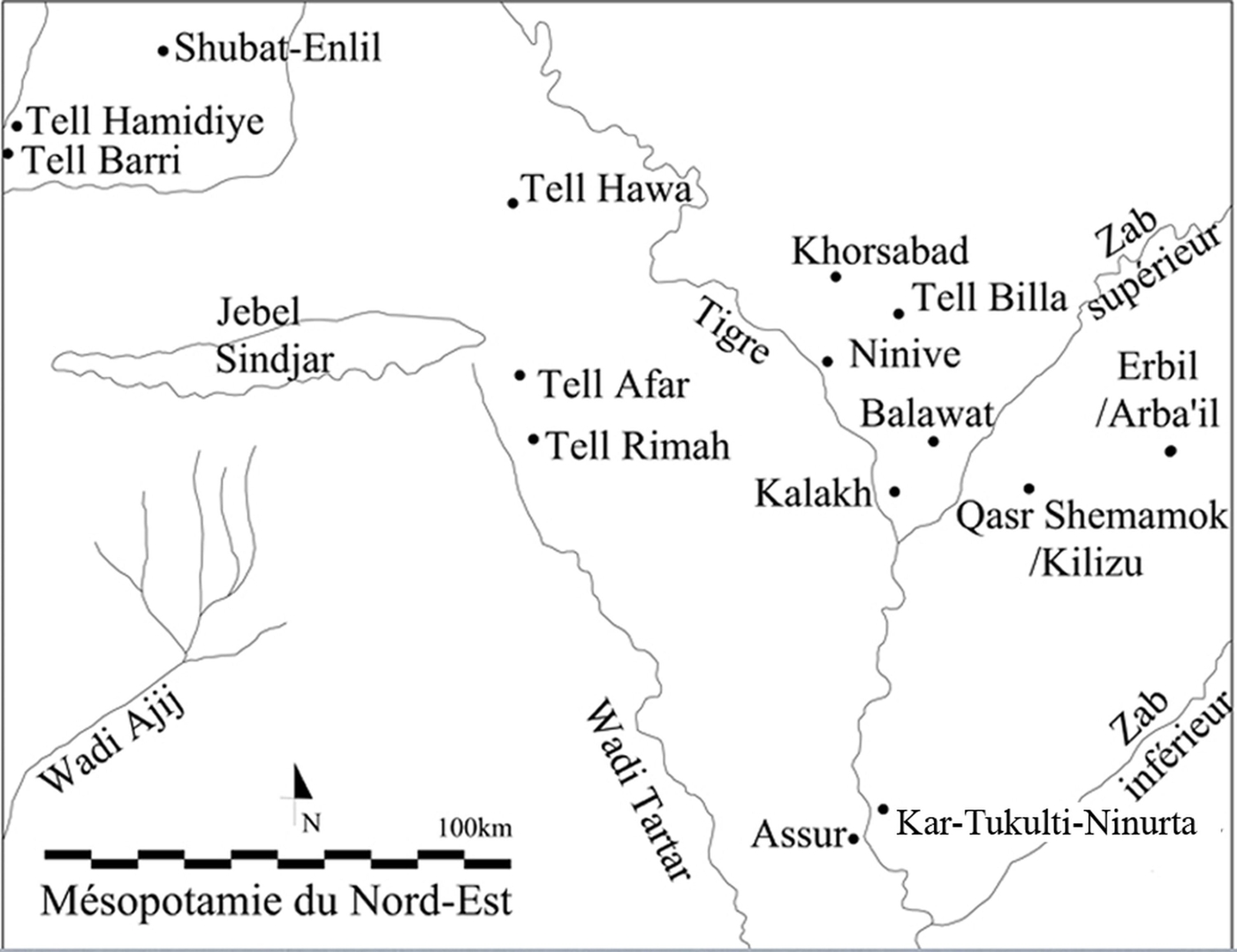
Built in the early 3rd millennium BCE on the eastern bank of the Tigris River, on a network of roads leading to Iran but also towards the plains of the southern Iraq, the site reveals the various strategies used over time by societies and empires, particularly Assyria, which established themselves in the region to control the territory and exploit its resources, forging links between various cultures right up to the present day.

Qasr Shemamok had already been visited and identified as a provincial capital of the Assyrian empire, the city of Kilizu, by Austin Henry Layard and by Victor Place in the 19th century, at the time of the first archaeological explorations of northern Mesopotamia. The systematic excavation of the area was begun in 2011 by a French mission that is currently working on the site with an international interdisciplinary team, in conjunction with Iraqi colleagues. The research is centred on studying the ties between the local society and culture and the natural and political environment, from independence to integration into empire.
Long occupation
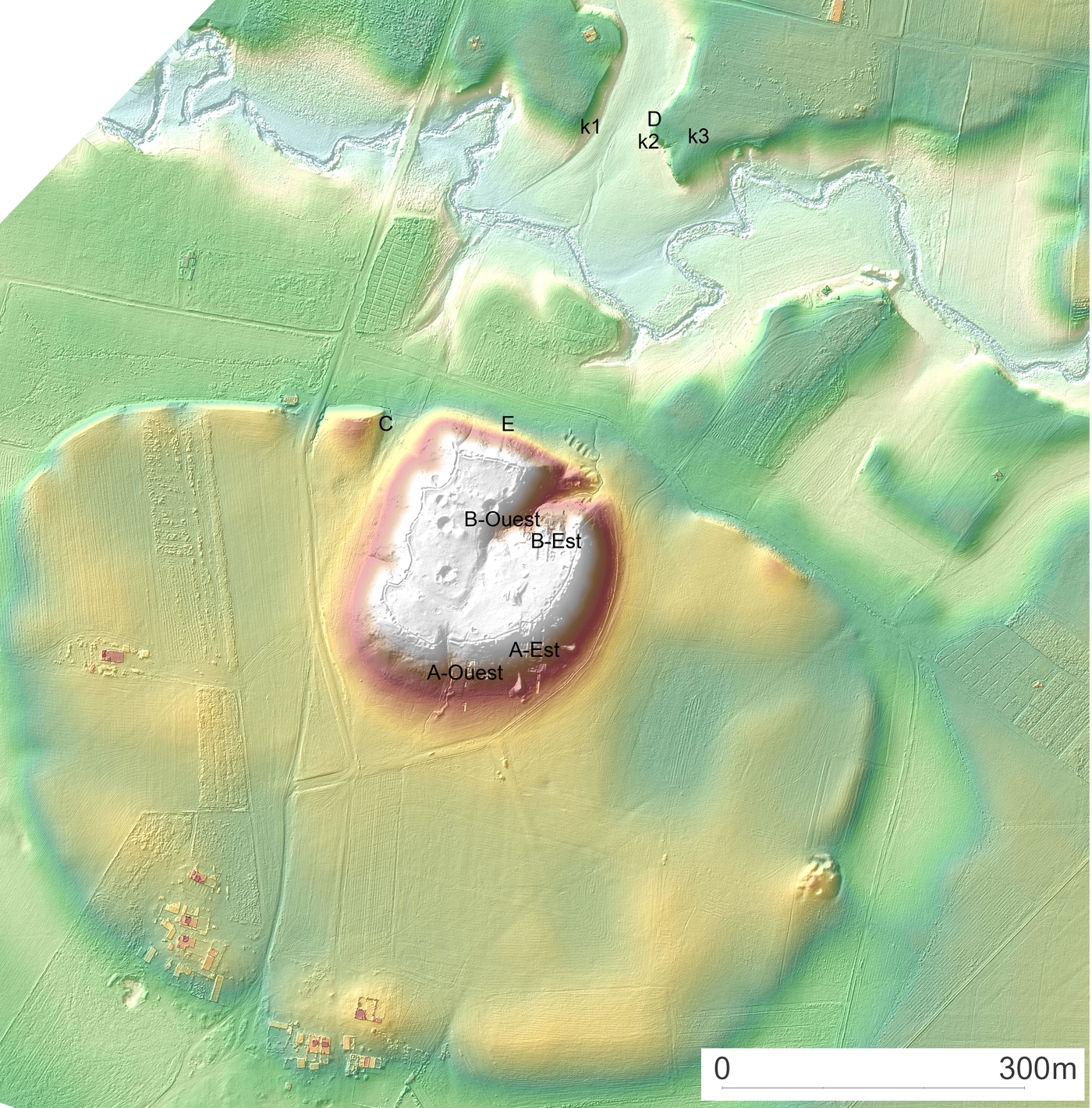
The archaeological data reveals that the site and its immediate environment were occupied as early as the Chalcolithic period (5th millennium BCE) and continued into the Ottoman period, towards the early 19th century. Qasr Shemamok, with a surface area of some 70 hectares, consists of a major tell, the “citadel", some twenty metres high, with a “lower town", still visible in the plain of the Shiwazor, the river that flows into the Upper Zap, a tributary of the Tigris. From 2011, the French mission revealed the citadel’s occupational sequence, while field walking surveys were made of the “lower town", covered with agricultural land. The ruins of an Iraqi military facility destroyed in recent bombing were built over the remains of an Ottoman fortress, under which were found occupation layers dating to the Sasanian (7th–4th century BCE) and Parthian (3rd century BCE–3rd century CE) periods, formed by the destruction of large administrative buildings. The Parthian occupation was founded on the remains of an urban habitat from the Persian/Hellenistic period (6th–4e century BCE), bearing the traces of the new international culture of this period.
The Assyrian city of Kilizu
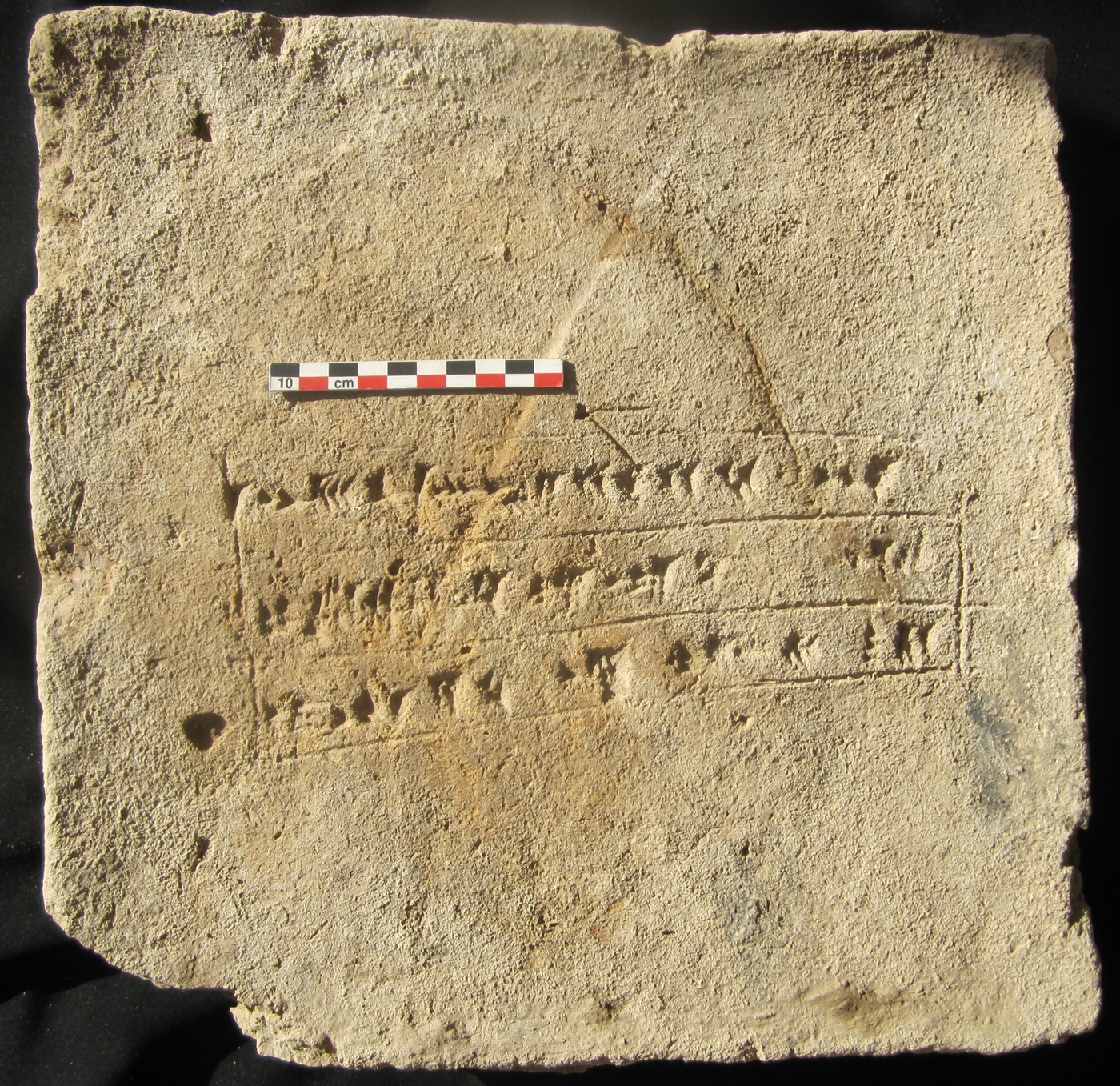
The earliest layers, which date from the Iron Age (12th–6th century BCE) were marked by the incorporation of the city known as Kilizu into the Assyrian empire, and reveal the extent of a vast restructuring programme ordered by Sennacherib (7th century BCE). The citadel and lower town were surrounded by an enceinte, and the remains of the outer enceinte are still visible in the landscape today. The extent of these works was confirmed by the discovery of a large terrace of unfired bricks and a monumental access ramp of fired bricks bearing an inscription by Sennacherib. The excavations also revealed the impact of the Middle Assyrian occupation (14th-12th century BCE), with the discovery, in 2013, of the remains of a palace built by King Adad-nirari I, which will provide a new opportunity to study how Assyrian power established itself in this region, the cornerstone of its “universal" imperial ambitions.
Tu’e: an earlier city
More recent excavations have revealed Late Bronze Age layers (16th–13th century BCE), about which little is known in the region. In the southern part of the citadel, the discovery of a major enceinte along with cuneiform texts, has shed more light on what was happening in the city before the Assyrian occupation. It had a different name, Tu’e, and its society, partly of Hurrian origin, was probably part of the political federation known as “Mittanian" that spanned northern Mesopotamia, while being in direct contact with the Assyrians. Current research is centred on the study of local culture and the interplay of reciprocal influences between the two Mesopotamian civilisations. The earliest occupation of the site excavated so far, and found within the citadel, based on pottery found within its layers, is dated to the period known as “Nineveh 5", in the early 3rd millennium, and from the Early Bronze Age. The existence of this preurban culture, with its best-known centre at Nineveh, to the east of Mosul, reveals the basic unity of the “Fertile Crescent" region, and its continuity, after contacts with Urukean-type (4th millennium) traditions from southern Mesopotamia, also attested by pottery found around Qasr Shemamok.







An international research programme
As soon as peace and security were restored in these regions, in 2009, based on the agreement and support of the Excavations Board of the MEAE and the Department of Antiquities of Baghdad and Kurdistan, an international team was formed by institutions and researchers from multiple countries, under French leadership. Together, they are working on a research programme centred on the site of Qasr Shemamok and its surrounding area, which will make it possible to study the forms taken by the human occupation of a specific natural environment under the control of various political powers and their impact on the landscape. Several doctoral and Masters students, currently in training, from European and Iraqi universities, are taking part in this project.