

El Pedregal rock site
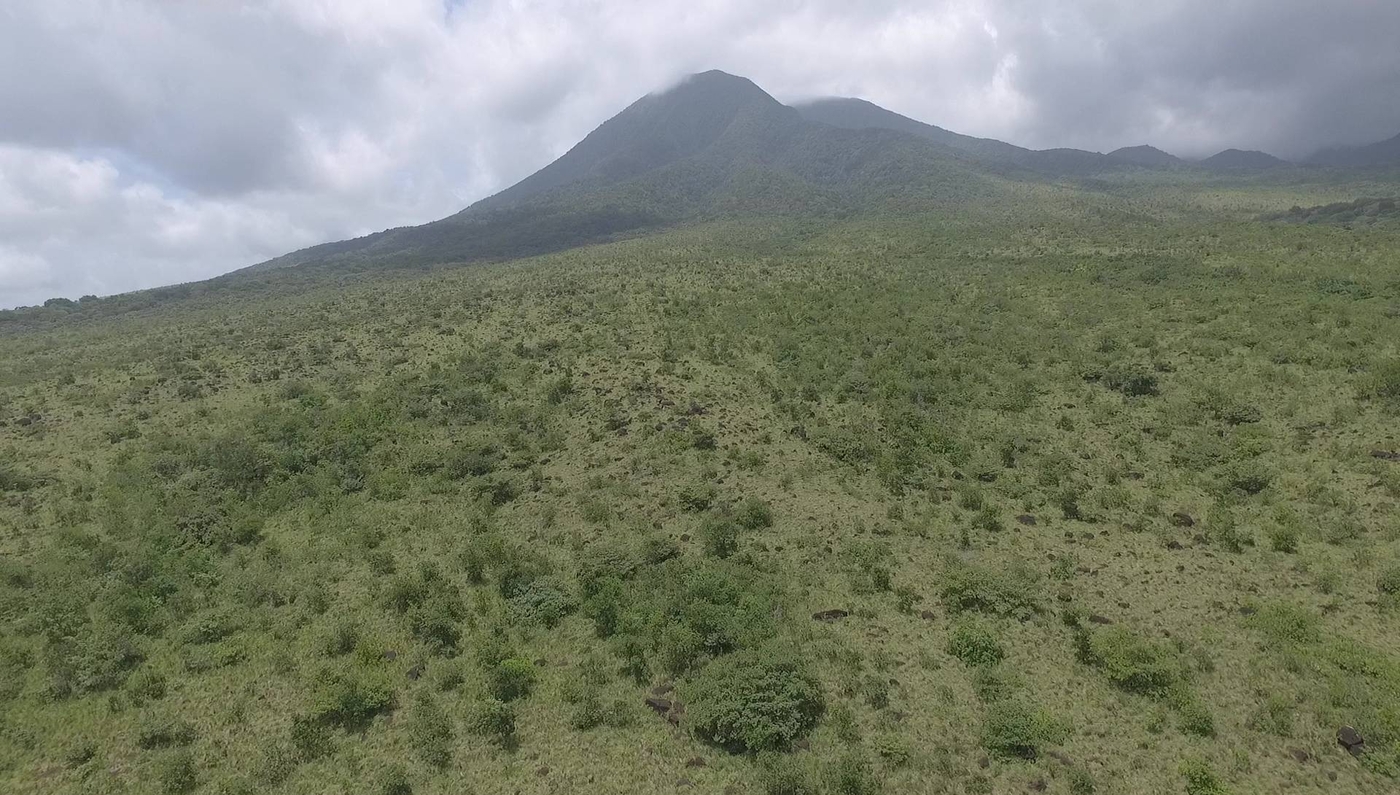
El Pedregal is on the western slope of the Orosí volcano in the Guanacaste cordillera. It is composed of a group of more than 200 engraved outdoor rocks spread over 100 hectares of savannah, probably in use over a period of 2,000 years (500 BCE–1530 CE.) What was the purpose of these engravings?
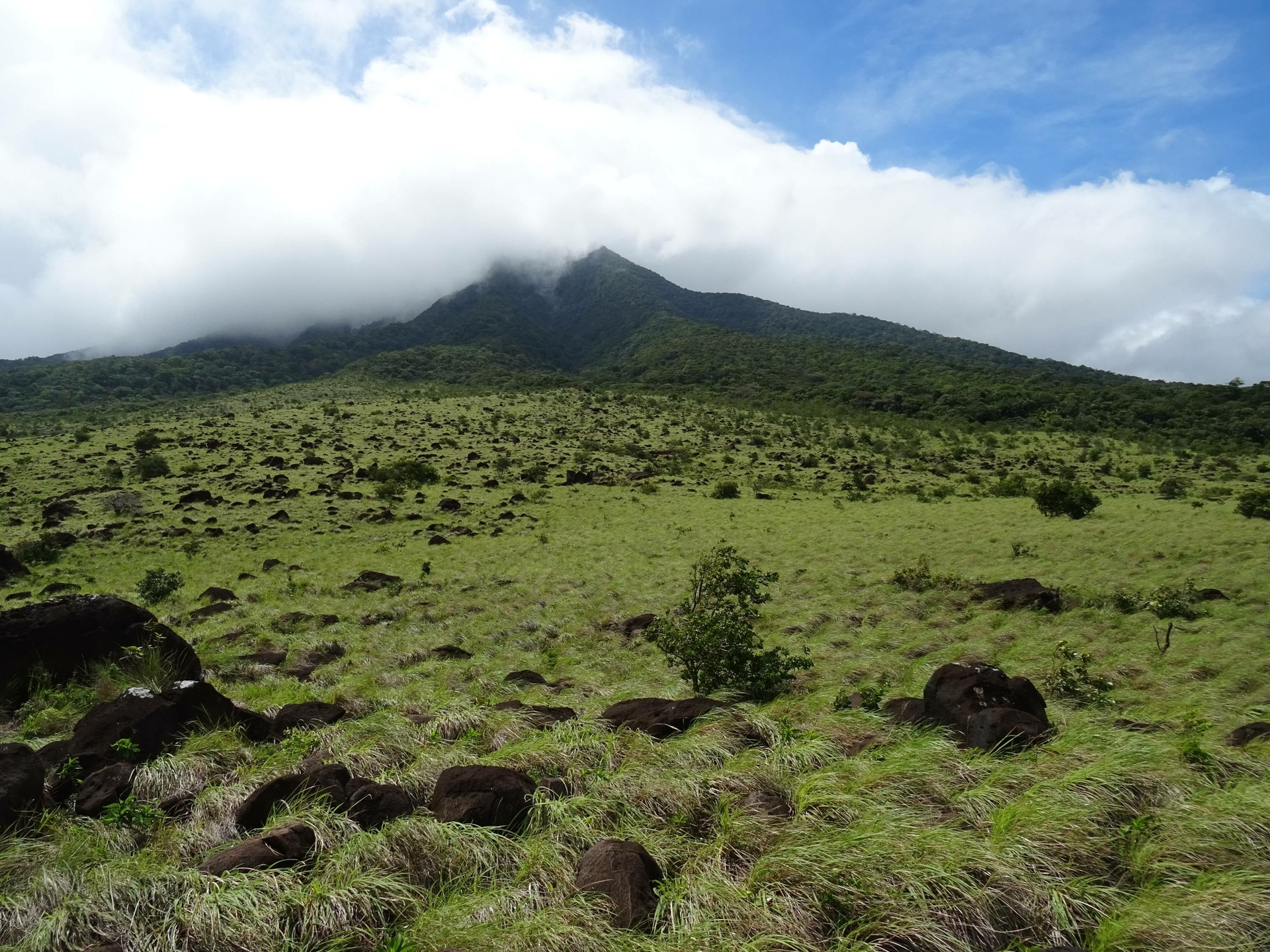
Studied since 2018 using innovative methods as part of the GAP international project, El Pedregal is gradually revealing its role as a site of pilgrimage close to the ancient Pacific migratory route.
A rock chaos of volcanic origin
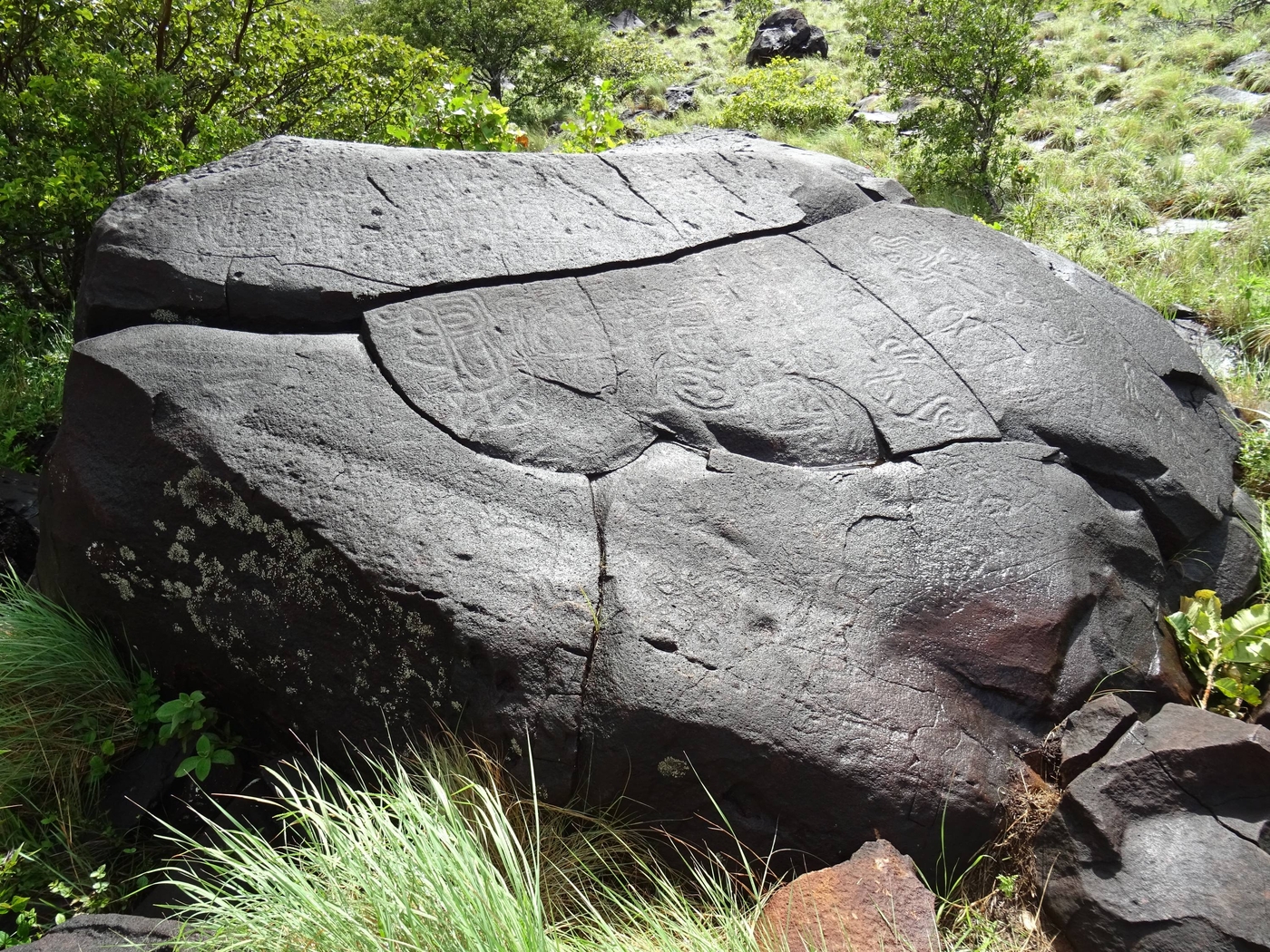
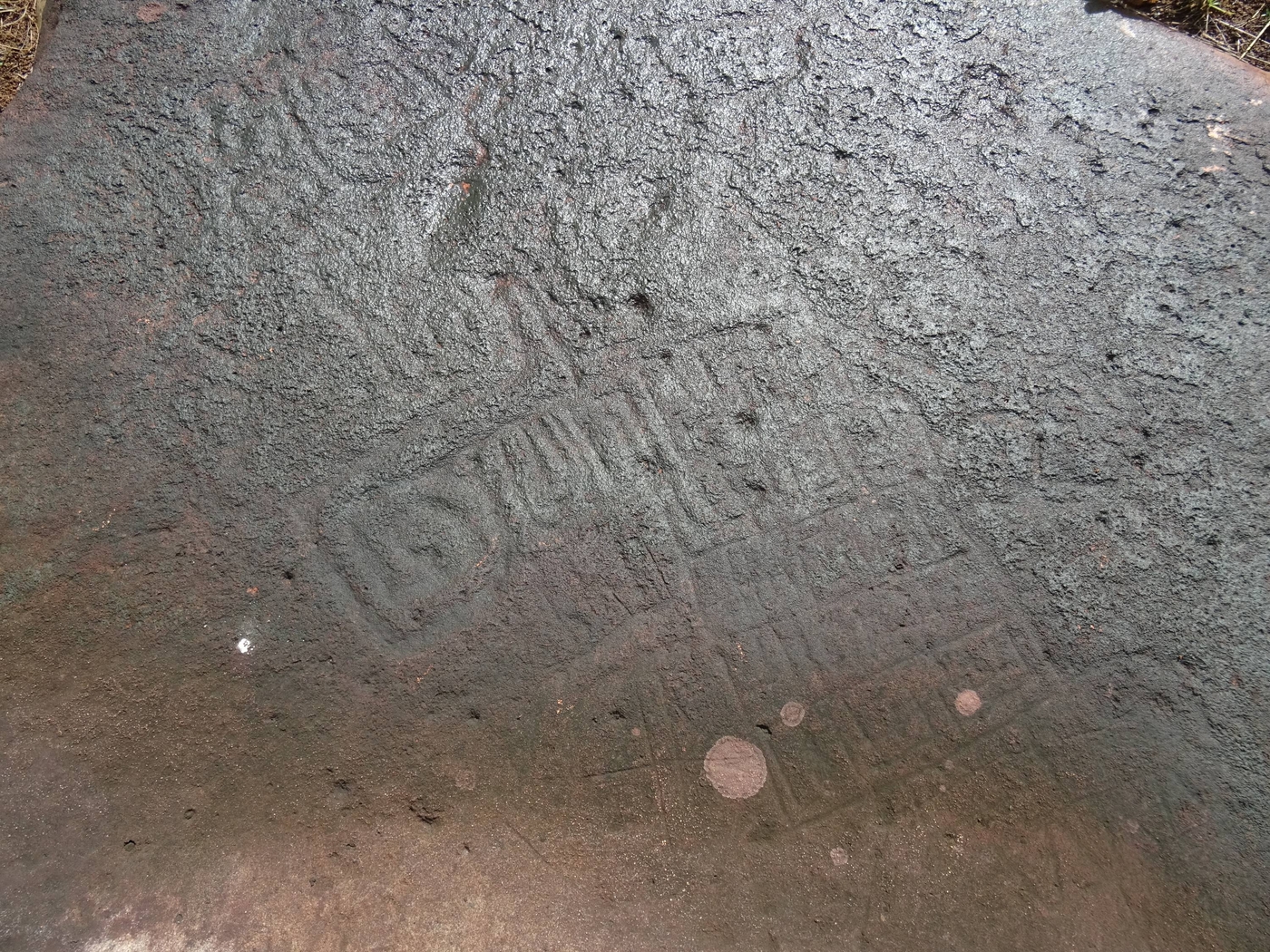
Spread across a rocky chaos of volcanic origin, the decorated rocks vary in size. At the centre of the site, the largest measures 5.2 m long, 4.3 m wide and 2.1 m high. This massive rock features a wide variety of iconographic motifs that appear to belong to different rock traditions, reflecting different cultural groups and chronological phases. The study of the site is helping us understand who the ancient Amerindian users of the site were.

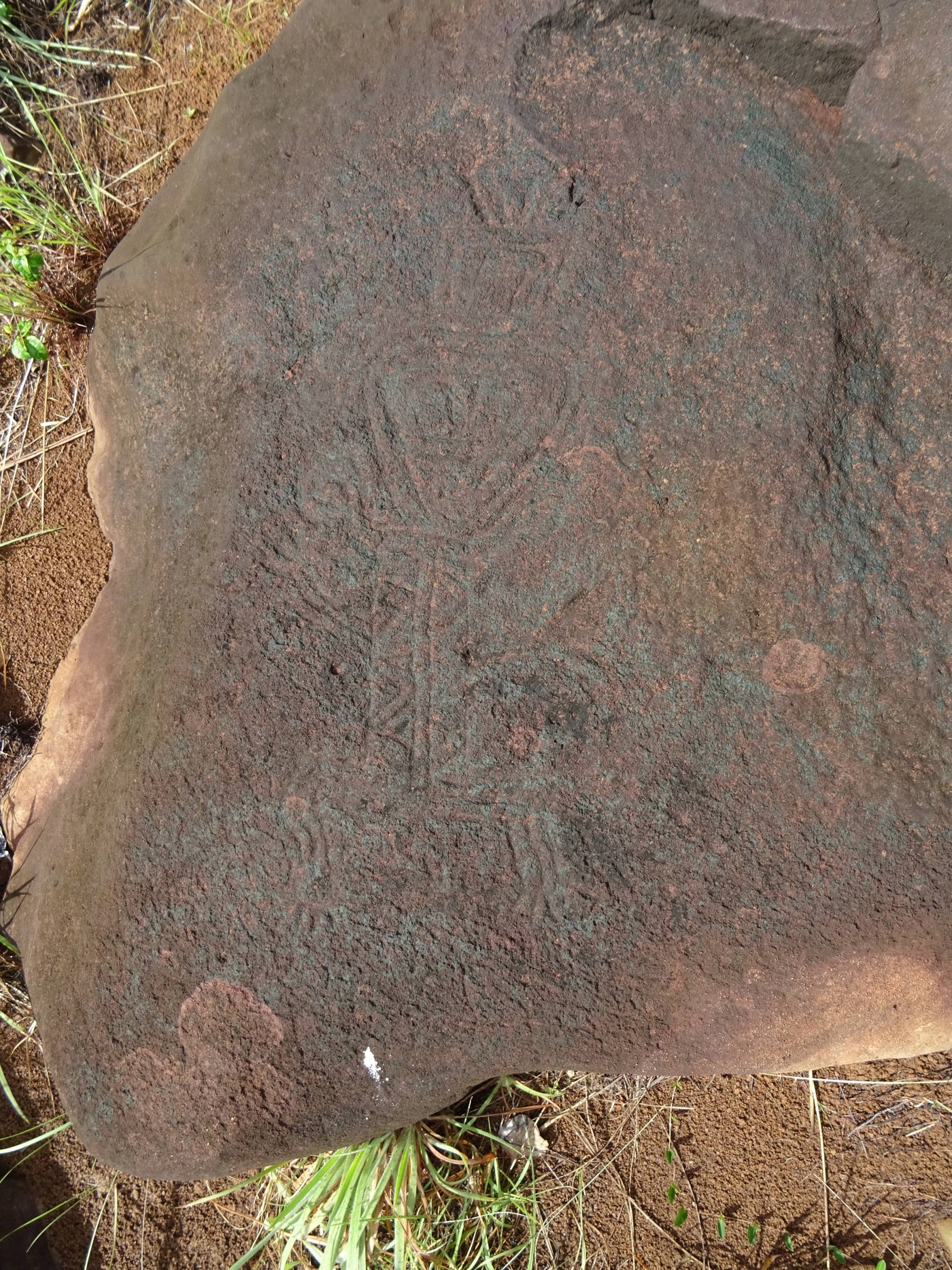
The petroglyphs take the form of geometric motifs, including spirals, concentric Greek crosses composed of squares, concentric circles and the like, as well as more complex graphic lines, and fairly large and deep depressions.
The figurative motifs include faces and heads as well as some anthropomorphic figures, sometimes decorated with accessories and associated with other images. Several zoomorphic engravings have been identified; they include snakes, tapirs, lizards or crocodiles and other figures that are hard to identify.
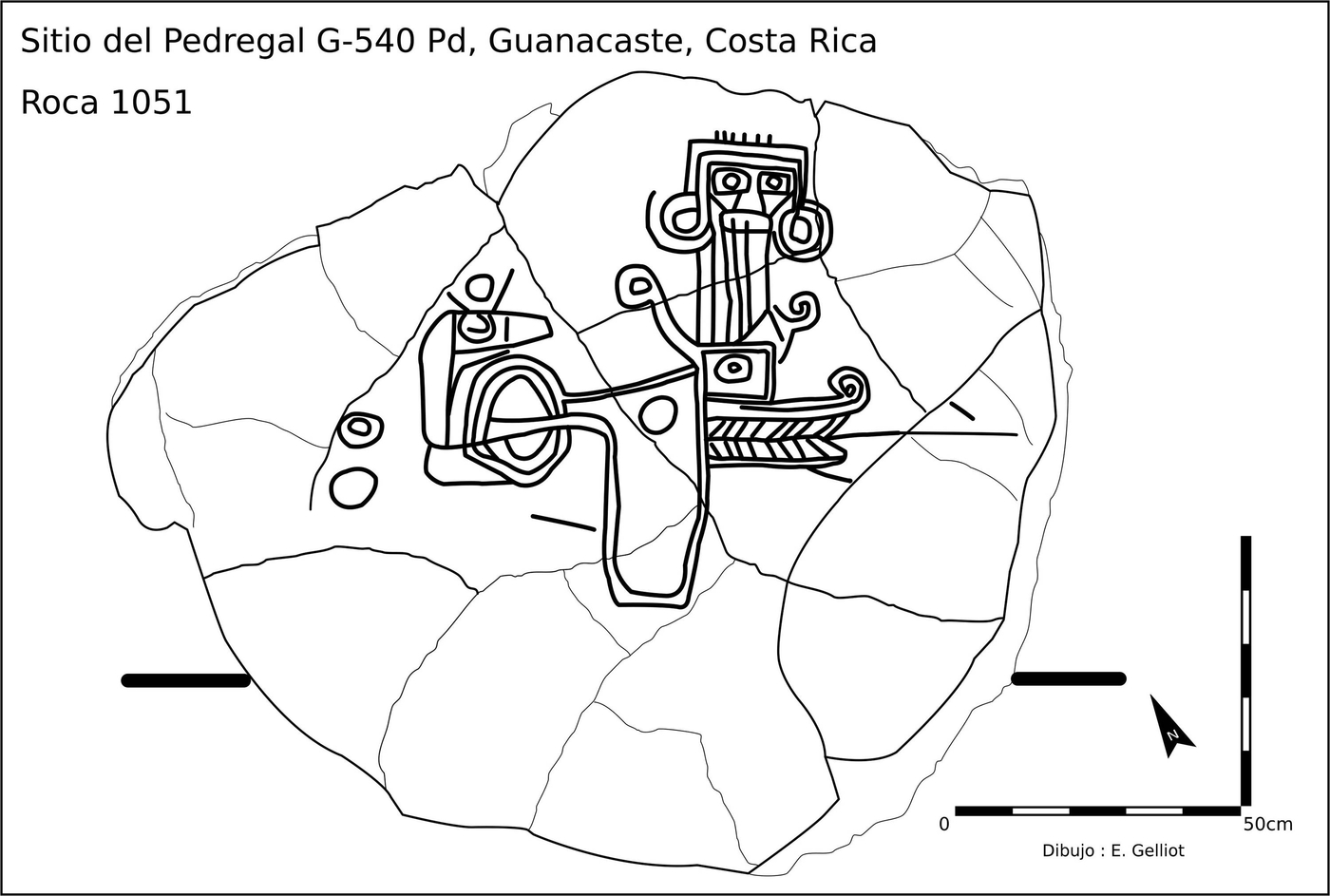
The iconographic motifs and the techniques used to produce the engravings are compared with other rock sites, and ancient decorated sculptures and pottery known in the region of Guanacaste. These analyses enable the archaeologists from GAP to date the engravings.
Because of the large quantity of engraved rock and the extensive area it covers, El Pedregal is the most important rock deposit in Costa Rica and one of the main ones in Central America.
Team and collaboration
From the start, the Guanacaste Archaeology Project has been implemented within the framework of a partnership between institutions in France, Germany and Costa Rica. As part of an interdisciplinary approach, archaeologists aim to determine a possible timeline and the cultural affiliations for the El Pedregal engravings, and those found in the Guanacaste cordillera. The geological nature of the media and the formation of the countryside are also considered from a technological point of view, in terms of how the works were executed, but also from a preservation perspective.
The GAP is a project run by French, German and Costa Rican experts; it benefits from the institutional and/or financial support of the French Ministry for Europe and International Affairs, theUMR 8096 – Archéologie des Amériques (CNRS, Nanterre), the Centre français d’études mexicaines et centraméricaines, Guatemala (CEMCA), the Service d’Action et de Coopération Culturelle pour l’Amérique Centrale (SCAC) and theInstitut National de Recherches Archéologiques Préventives (INRAP). In Costa Rica, the project’s principal partner is the Pre-Columbian Gold Museum of the Central Bank of Costa Rica and theGuanacaste Conservation Area. Lastly, the German actors are the Altamerika Foundation and the University of Bonn.
Useful links
- Introduction to the project: archam.cnrs.fr/projets/projets-en-cours/guanacaste/
- Page on Wikipedia : fr.wikipedia.org/wiki/Pedregal_(Costa_Rica)
- Introduction in Spanish: semanariouniversidad.com/cultura/el-arte-rupestre-que-brilla-despues-de-llover/