• Skip to main content
  • Skip to footer
chevron-down search panel ressource caret-down close info share patrimoineprocheorient 3d arrow-right check checkbox chevron-right zoom-out arrow-left hd interactif map map-alt pen pdf photo photo print sound triangle typo-moins typo-plus video medias youtube instagram facebook pinterest twitter zoom-in download dots info POI filter
Archéologie de la Grande Guerre
  • 1
  • Home
  • About
    • Archaeological remains
    • What role for archaeology?
    • What should we excavate?
    • The question of commemoration
    • Protecting a fragile heritage
    • Archaeologists in the trenches
    • Day-to-day life
    • Supplies and equipment
    • Feeding the troops
    • Butchers at the airfield
    • Civilians at war
    • Arts and crafts in the trenches
    • Day-to-day death
      • Archaeology, bearing witness to unspeakable slaughter
      • Almost 700,000 missing
      • Examples of different types of war grave»
      • Burying the dead
      • War on an industrial scale, death on an industrial scale
      • The Grimsby Chums
      • The German soldiers at Bétheny
      • The Carspach tunnels
      • The Route de Thélus battlefield
      • German and French casualties at Massiges
      • Individual Stories
      • Alain-Fournier (1886-1914)
      • Pierre Grenier (1885-1915)
      • Albert Dadure (1894-1915)
      • Archibald Mac Millan (1889-1917)
      • August Hütten (1880-1918)
      • Beasts and men, united in suffering
      • The horses of Braine
    • Underground war and technical innovations
      • A mole’s life
      • Underground sleeping quarters at Arras
      • Mine warfare
      • New weapons
      • The Dragon of the Somme
      • The Flesquières tank
      • The airfield at Châtelet-sur-Retourne
      • The Great War at sea
      • A forgotten naval war, a neglected historical heritage
      • The Danton, 1917. A symbolic wreck from the Great War
      • Submarine U-95, 1918
    • Resources
    • Media Library
    • Bibliography
    • Credits

Archéologie de la Grande Guerre

Que nous dit l'archéologie du quotidien de la Grande Guerre ? À quels vestiges sont confrontés les archéologues ? À quelles archives inédites, absentes des récits de nos aïeux, les recherches archéologiques nous donnent-elles accès ? Le site est labellisé par la Mission du Centenaire

  • archeologie.culture.fr
Media Library

Media library

Filtres - 145/145 Selected medias
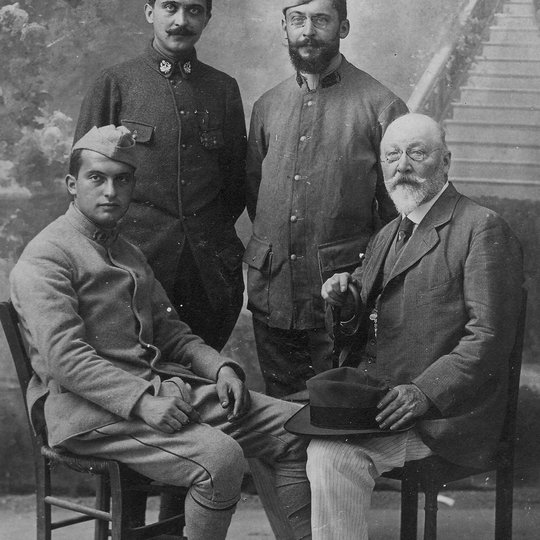
  • Louis Comes and his three sons Antoine, Joseph and Pierre

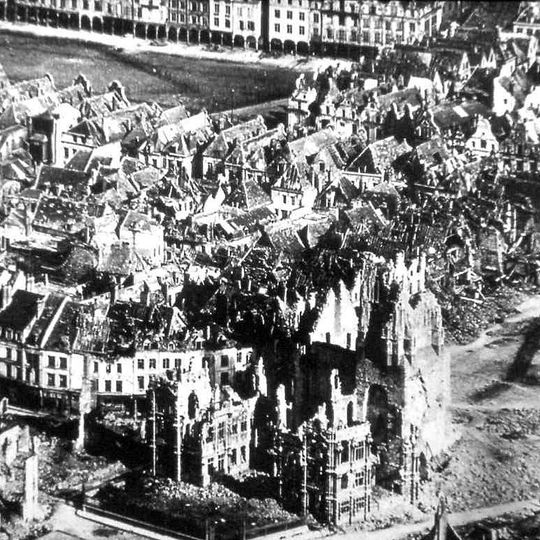
  • Aerial view of the Grand Place and Arras city centre

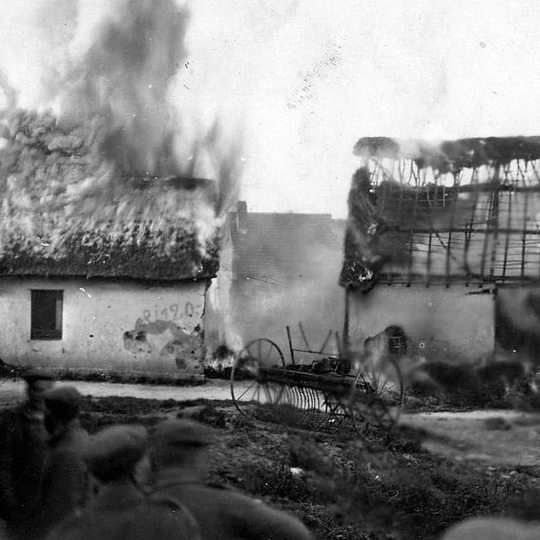
  • A house in flames in a village in the Pas-de-Calais region‚ abandoned by the Germans in February 1917

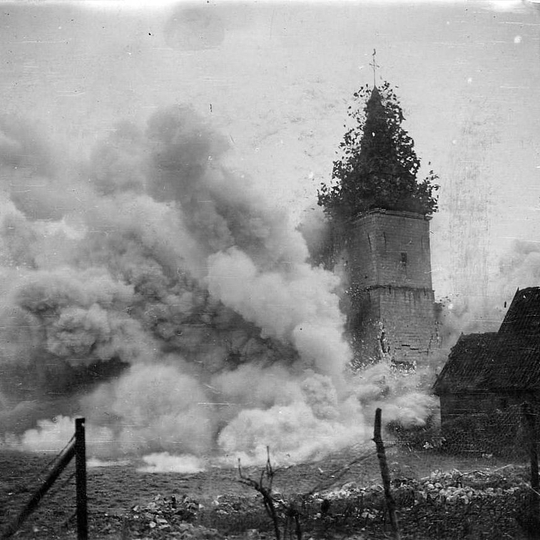
  • Saint-Martin-sur-Cojeul (Pas-de-Calais)

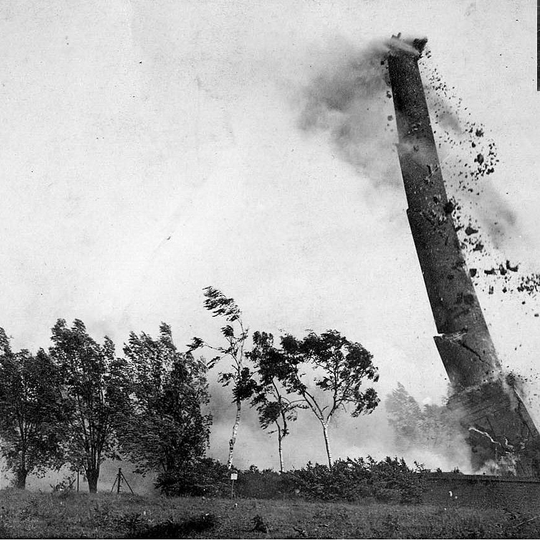
  • Factory at Courcelles (Pas-de-Calais)

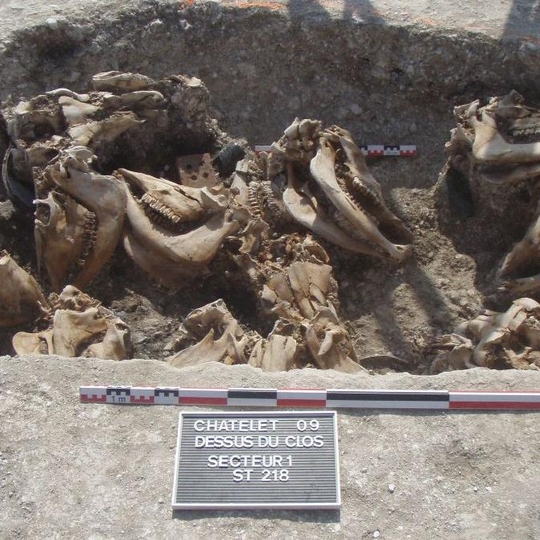
  • Excavation of a pit of the German camp Châtelet-sur-Retourne (Ardennes).

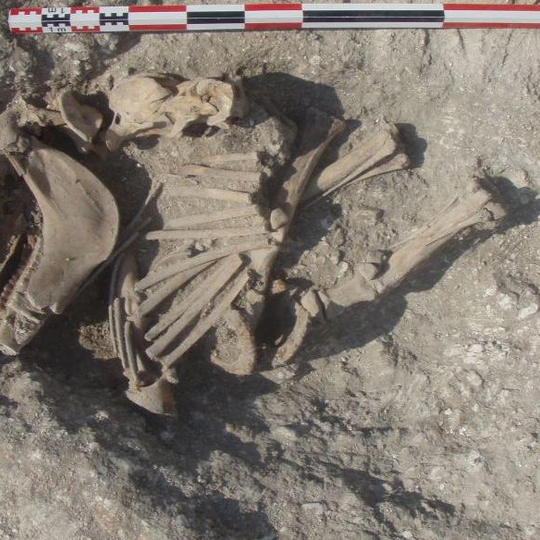
  • Fragmented skeleton of a horse

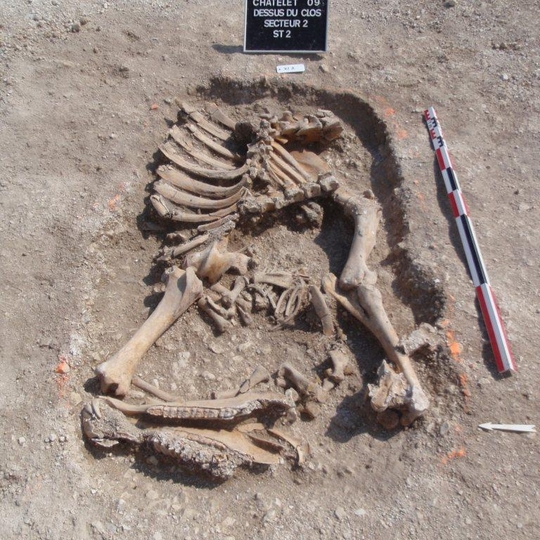
  • Horse skeleton being excavated

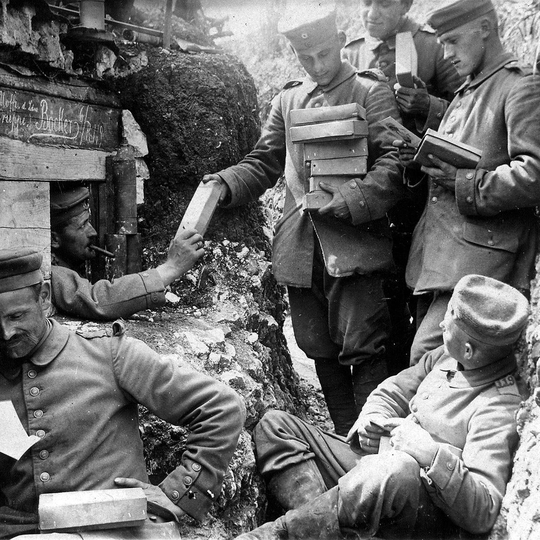
  • Distribution of mail in a German trench

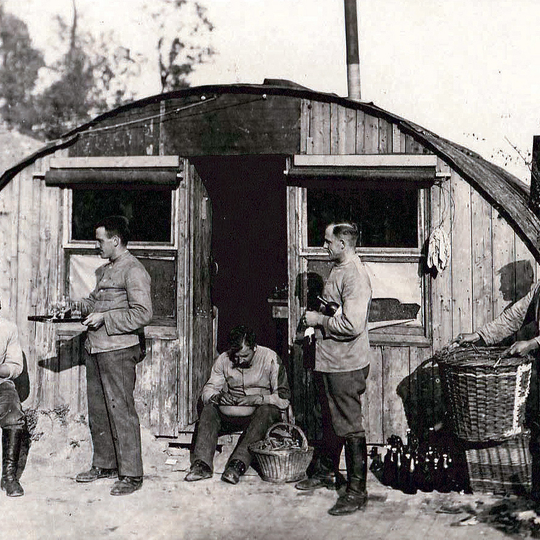
  • British prefab "Nissen Hut"

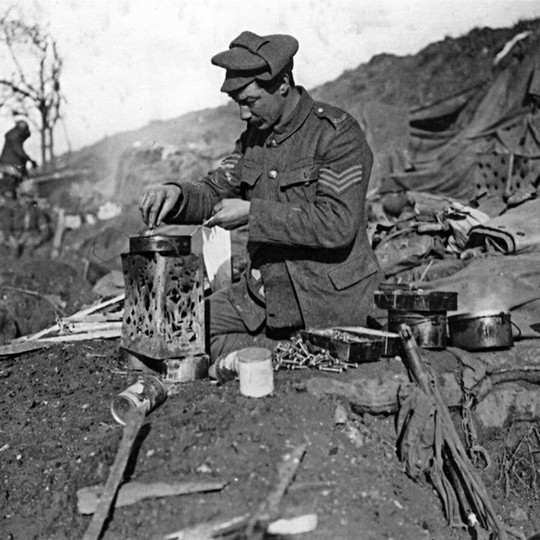
  • A British NCO prepares his meal on a makeshift stove on the front line

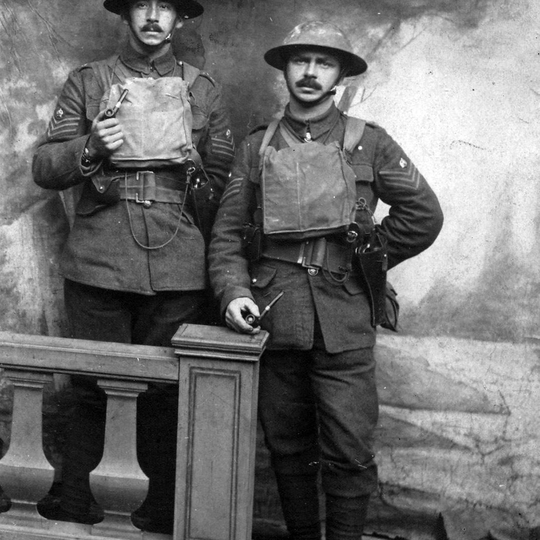
  • Non-commissioned officers from the British Army

Pagination

  • « First
  • ‹ Previous
  • …
  • Page 5
  • Page 6
  • Page 7
  • Page 8
  • Current page 9
  • Page 10
  • Page 11
  • Page 12
  • Page 13
  • Next ›
  • Last »

Archaeological remains

  • What role for archaeology?
  • What should we excavate?
  • The question of commemoration
  • Protecting a fragile heritage
  • Archaeologists in the trenches

Day-to-day life

  • Supplies and equipment
  • Feeding the troops
  • Butchers at the airfield
  • Civilians at war
  • Arts and crafts in the trenches

Day-to-day death

  • Archaeology, bearing witness to unspeakable slaughter
  • War on an industrial scale, death on an industrial scale
  • Individual Stories
  • Beasts and men, united in suffering

Underground war and technical innovations

  • A mole’s life
  • New weapons
  • The Great War at sea

Resources

  • Media Library
  • Site map
  • Credits

About

  • Who are we ?
  • Grands sites archéologiques
  • Mentions légales

Partenariats

  • Labex Les passés dans le présent (ANR-11-LABX-0026-01)

About

Beyond time and space, the Archeologie.culture.fr collection presents the history and life of men through the research of the greatest specialists in French archeology.
Visit Archeologie.culture.fr

Discover other sites of the collection

  • 36,000 years ago
    Chauvet cave
  • France - 21,000 years ago
    Lascaux
  • France
    Underwater archaeology
  • The Commission de Topographie des Gaules 1858–1879
    French national archaeology: the early years
ministère de la culture logo Musée d'achéologie nationale logo
Contact - Accessibilité : Partiellement conforme - - 2025. Ministry of Culture (en)