

Ugarit – Ras Shamra
Ugarit is an ancient city on the Syrian coast, the capital of a kingdom of the same name which reached its peak between the 14th and early 12th centuries BC, the remains of which have been discovered at the site of Ras Shamra.
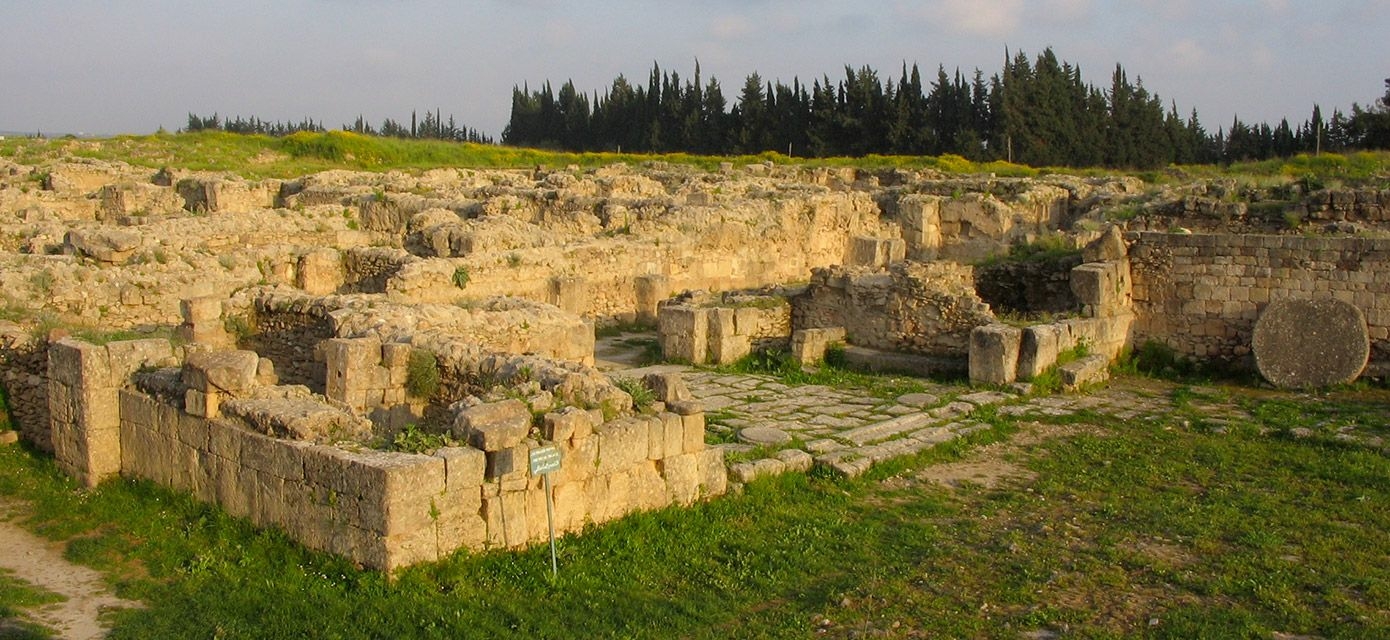
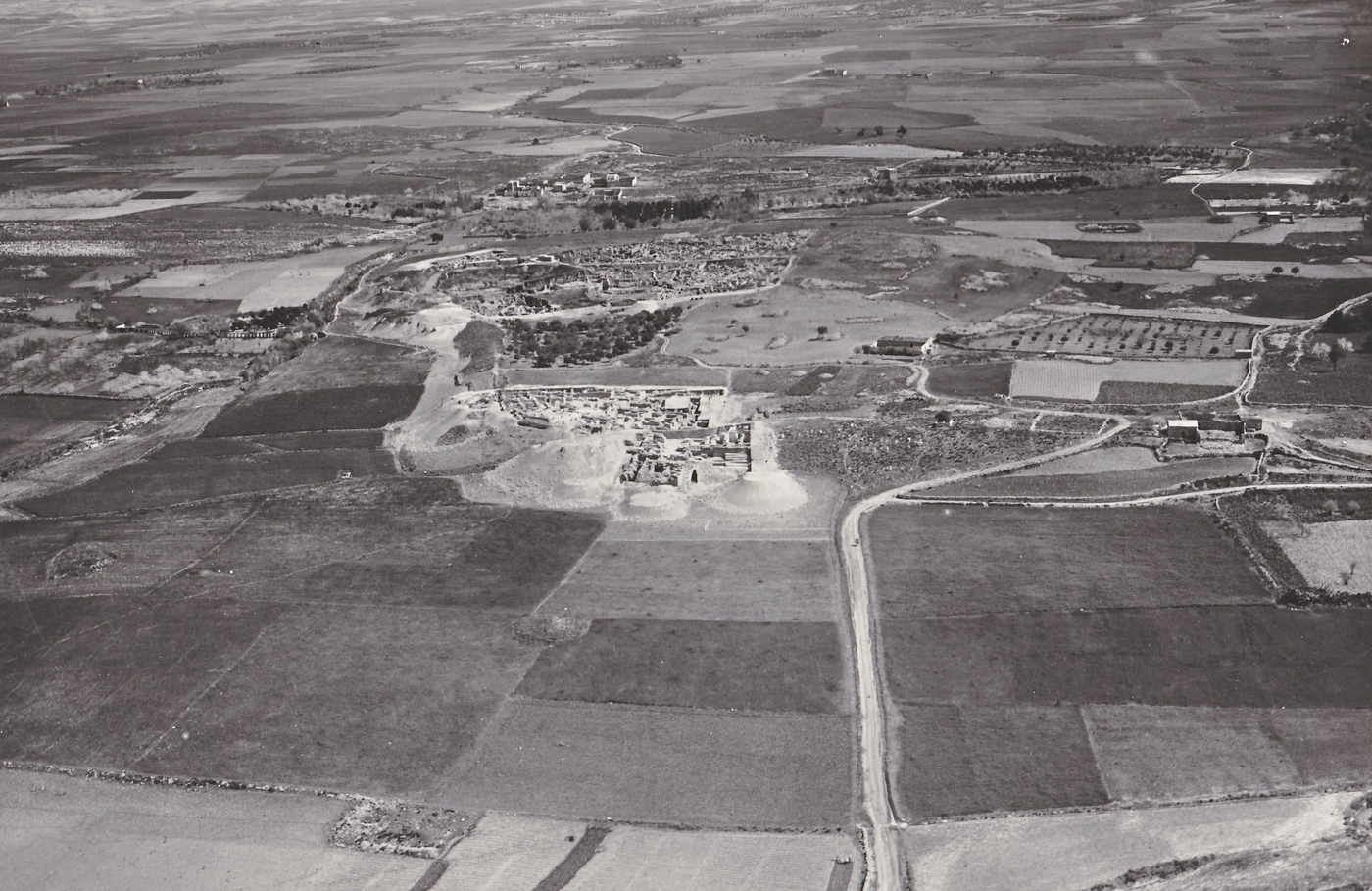
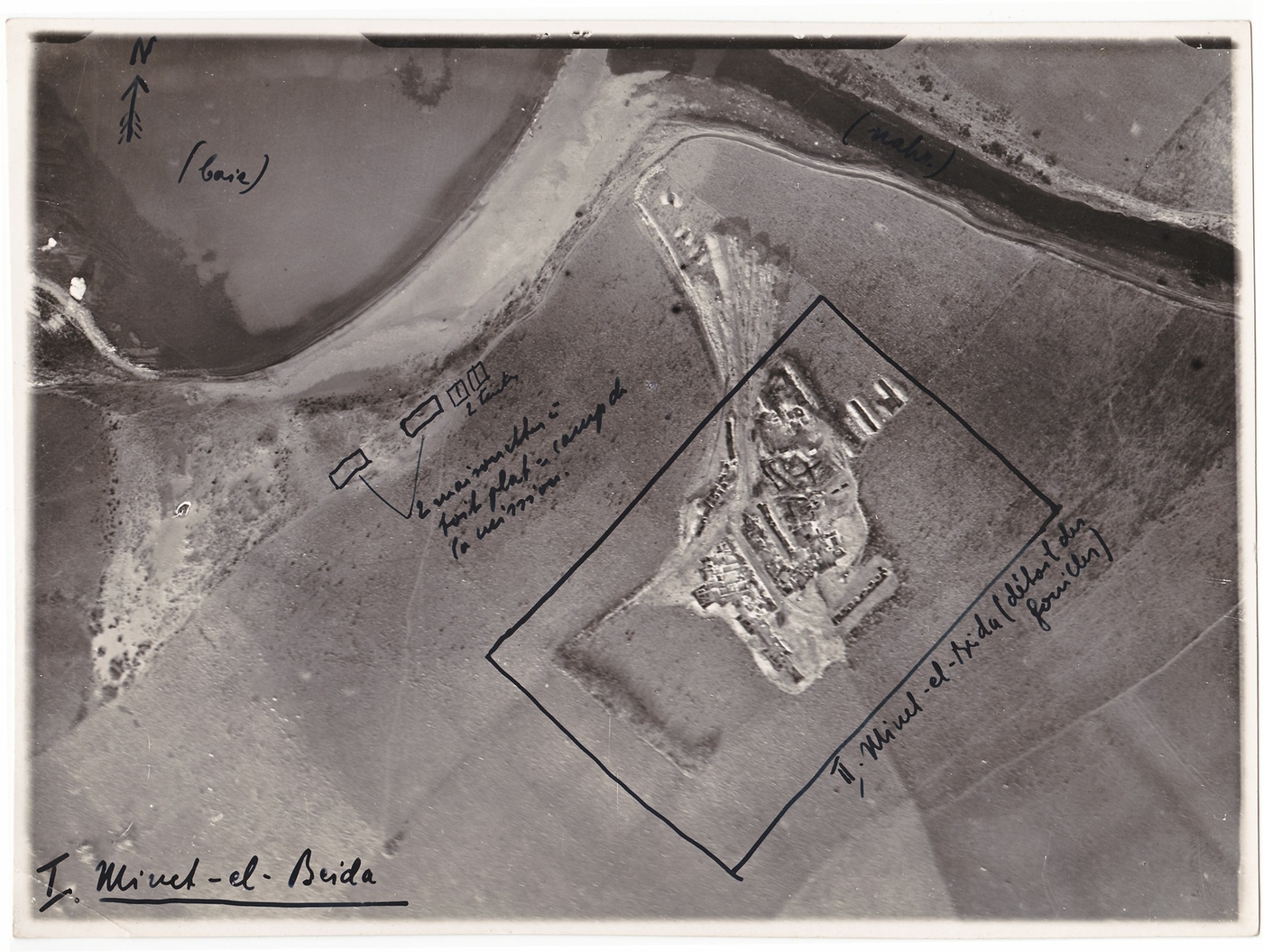
The tell at Ras Shamra is situated in the vast, fertile plain of Latakia, a few kilometres north of Cape Ras Ibn Hani and 800 metres from the large coastal cove of Minet el-Beida, where Ugarit's main port, Mahadou, was located. The chance discovery, in 1928, of a stone-built tomb at this latter site led, the following year, to the establishment of the Ras Shamra archaeological mission and the start of the systematic exploration of the site of Ugarit, which was entrusted to Claude F. A. Schaeffer (1898–1982) by René Dussaud, then Curator of Oriental Antiquities at the Louvre.
From the Neolithic to the sea people
The Ras Shamra site was occupied almost continuously from the time the first farmers settled there in the Neolithic period, around 7500 BC, until the end of the Bronze Age. A major trading centre in the eastern Mediterranean, the city was destroyed around 1180 BC, at a time when the Near East and the eastern Mediterranean were experiencing significant political, social and economic upheavals linked, amongst other things, to migratory movements. From the mid-1st millennium onwards, the site of Ras Shamra saw only more modest re-occupations during the Iron Age and the Hellenistic, Roman and Ottoman periods.
A cosmopolitan city, looking out over the Mediterranean
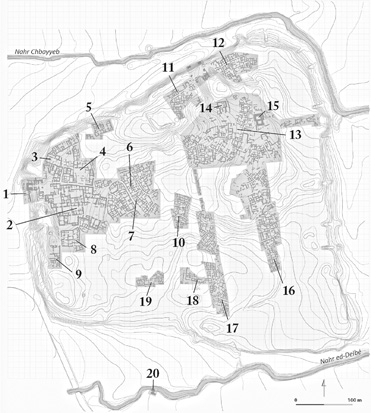
The Ras Shamra site covers approximately 27 hectares. The visible remains date mainly from the Late Bronze Age, i.e., the 13thand 12th centuries BC. In the Acropolis area, which rises to a height of 18 m, stand the city’s two great temples, known as the ‘Temple of Ba'al’ and the ‘Temple of Dagan’. Between the two, the house known as the ‘High Priest’s House’ was unearthed; it is famous for its library, which yielded most of Ugarit's great literary works (myths and legends). Residential neighbourhoods surround this area. The western part of the tell is home to the palatial quarter, which is linked to a fortified entrance to the city; the royal palace covers an area of nearly 7,000 m2 and served primarily as the king's residence and the seat of the central administration.
The capital and its surrounding areas served as a cultural melting pot, as evidenced by material and written culture. The extensive written records from the Late Bronze Age, uncovered during the course of the site's excavation, confirm the diverse nature of Ugaritic society. The diversity of languages and scripts found there provide some evidence of this. In addition to the vernacular language, Ugaritic, which was written using a locally developed and cuneiform alphabetic writing system, other languages or dialects and other writing systems are known to have existed.
The mission directors
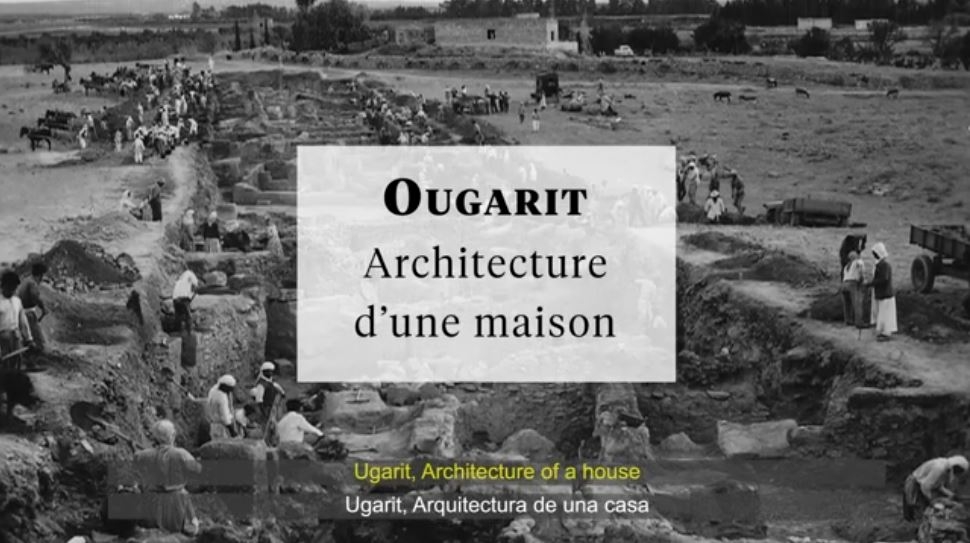
Claude Schaeffer led the team up until 1969, with a break due to the Second World War. The research was then carried out under the supervision of:
- Henri de Contenson (1970–1973)
- Adnan Bounni and Jacques Lagarce (1974)
- Jean-Claude Margueron (1975–1976)
- Marguerite Yon (1978–1998).
In 1999, the mission became a joint venture and was named the Syro-French Ras Shamra – Ugarit Archaeological Mission. It was managed:
- on the Syrian side, by Bassam Jamous (1999–2004), then by Jamal Haydar (2005–2013), and since 2014 by Khozama al-Bahloul
- on the French side, by Yves Calvet (1999–2008), and since 2009 by Valérie Matoïan.
The Ugarit – Ras Shamra collections in French museums
The Department of Oriental Antiquities at the Louvre Museum, preserves and displays artefacts from the old excavations carried out at Ugarit – Ras Shamra and Minet el-Beida.
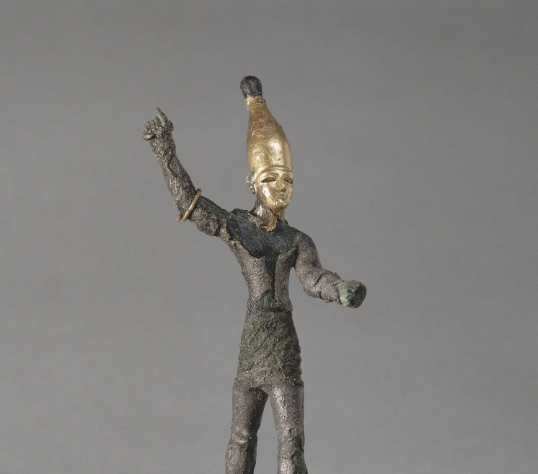
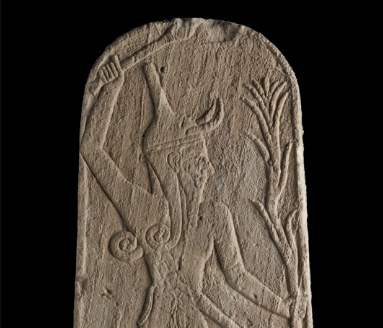
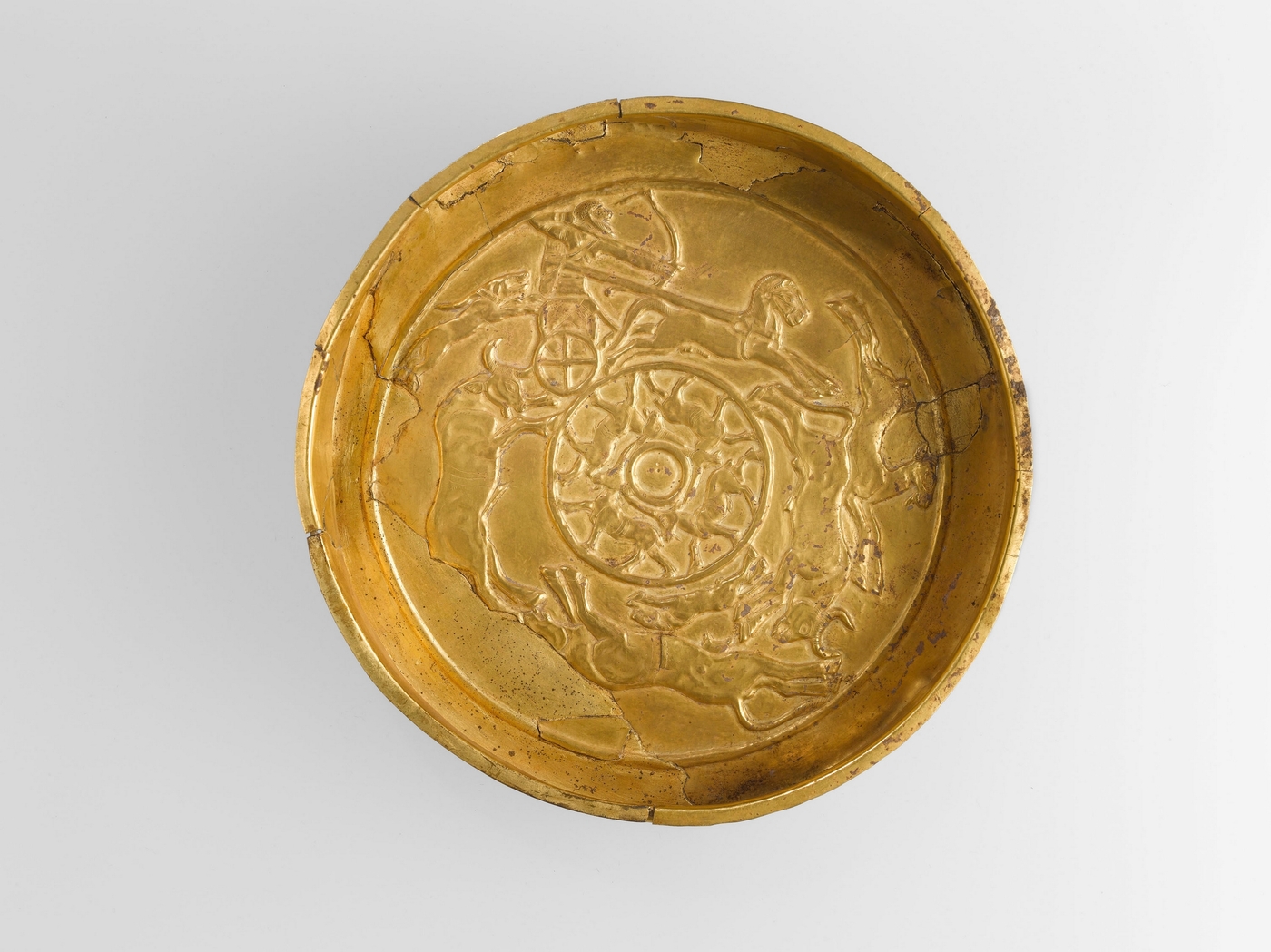
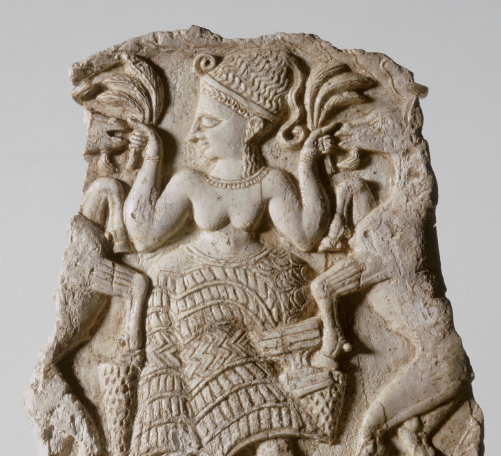
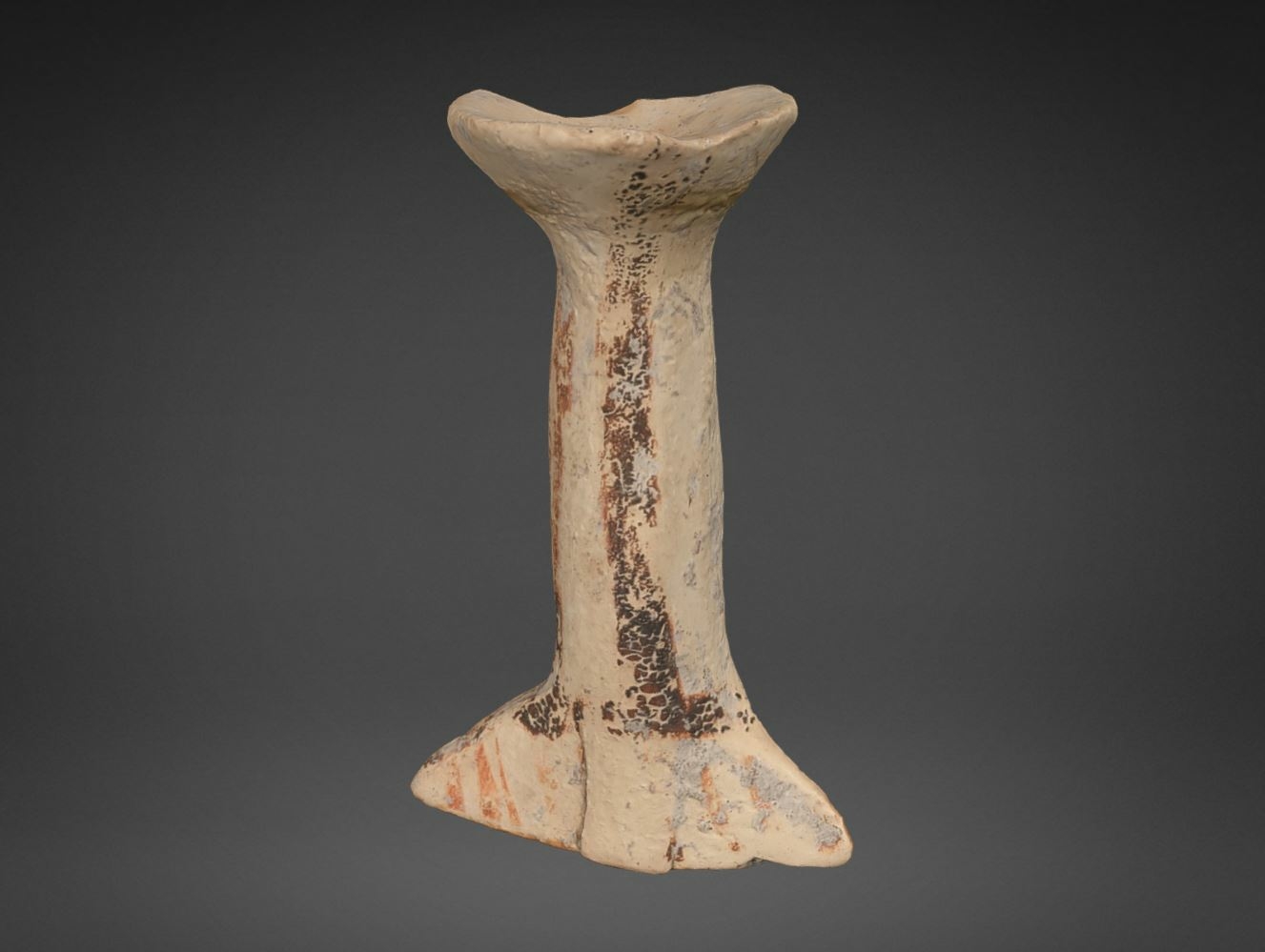
The National Archaeology Museum, located at the Domaine national de Saint-Germain-en-Laye, preserves and displays artefacts from Ugarit – Ras Shamra in the museum's comparative archaeology gallery. Part of these collections has been digitised as part of the France Collections 3D project, led by the photography agency of the Réunion des Musées Nationaux – Grand Palais.
The fight against theft and illicit trafficking of cultural property is one of the priorities of the Ministry of Culture, which places great focus on all these issues, particularly through its independent role in regulating the movement of cultural property.