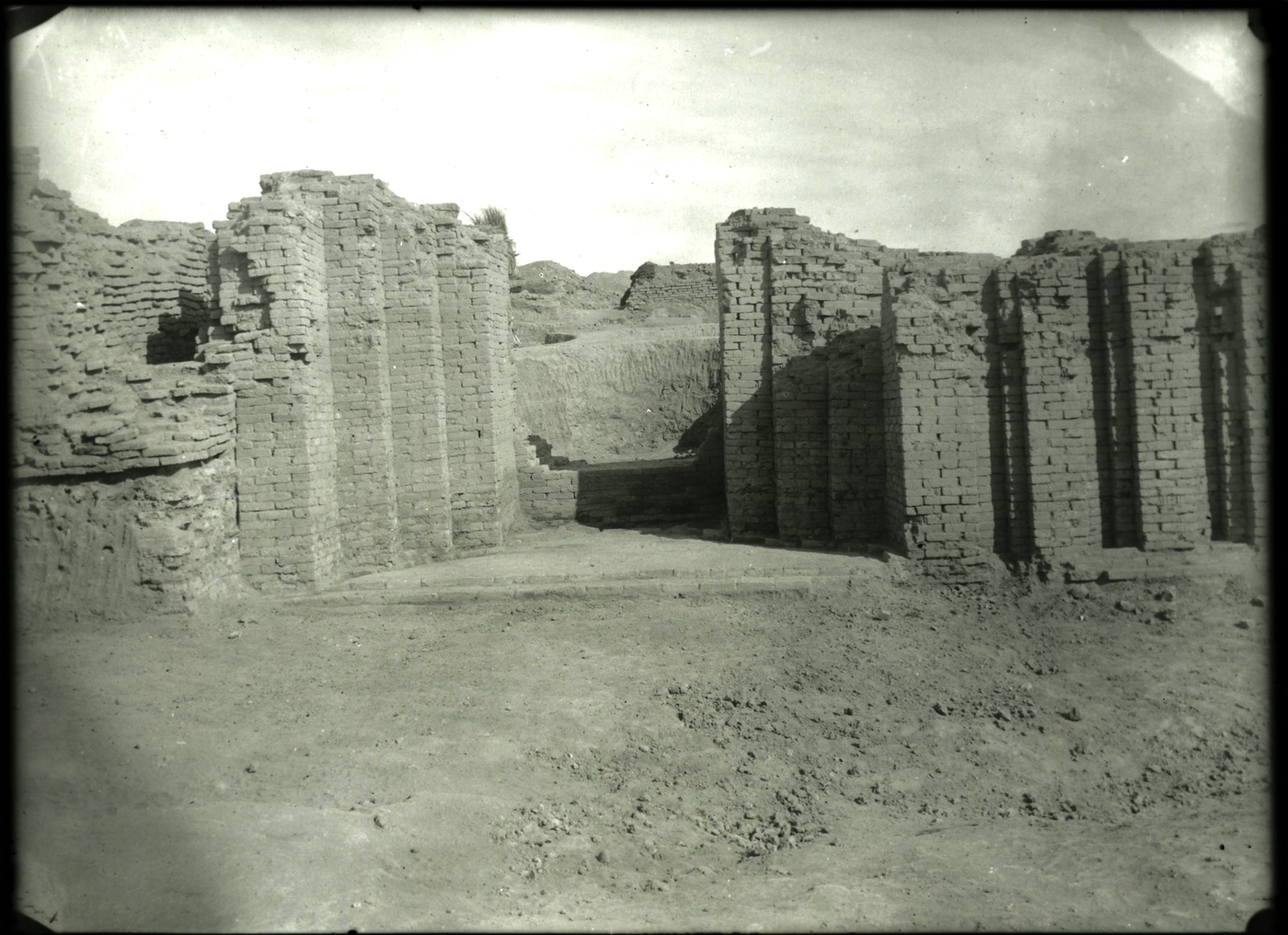
Tello, formerly Girsu
The city of Tello, formerly known as Girsu, lay at the heart of one of the most important kingdoms in southern Mesopotamia during the 3rd millennium BC. Its excavation by Ernest de Sarzec in 1877 marked the beginning of the rediscovery of the Sumerians, who until then had been completely forgotten.
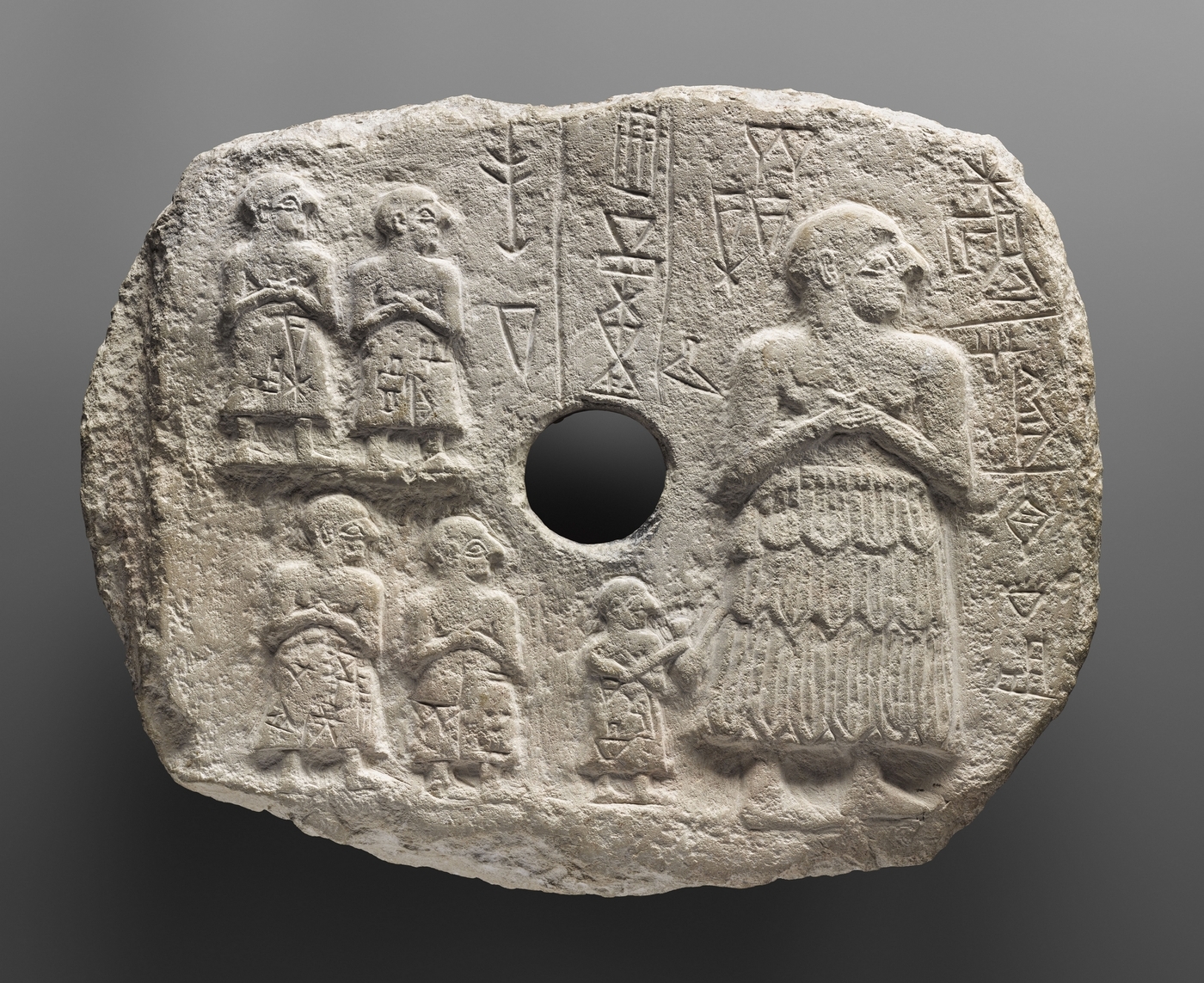
The town of Tello is situated in southern Iraq on the Shatt al-Hai, a canal linking the Tigris and the Euphrates. Inhabited since at least the 5th millennium BC, the site experienced an initial period of prosperity during the so-called ‘Archaic Dynasties’ period (c. 2900–2340 BC), particularly from the reign of Ur-Nanshe, founder of the First Dynasty of Lagash, onwards (c. 2500 BC).
A Sumerian kingdom
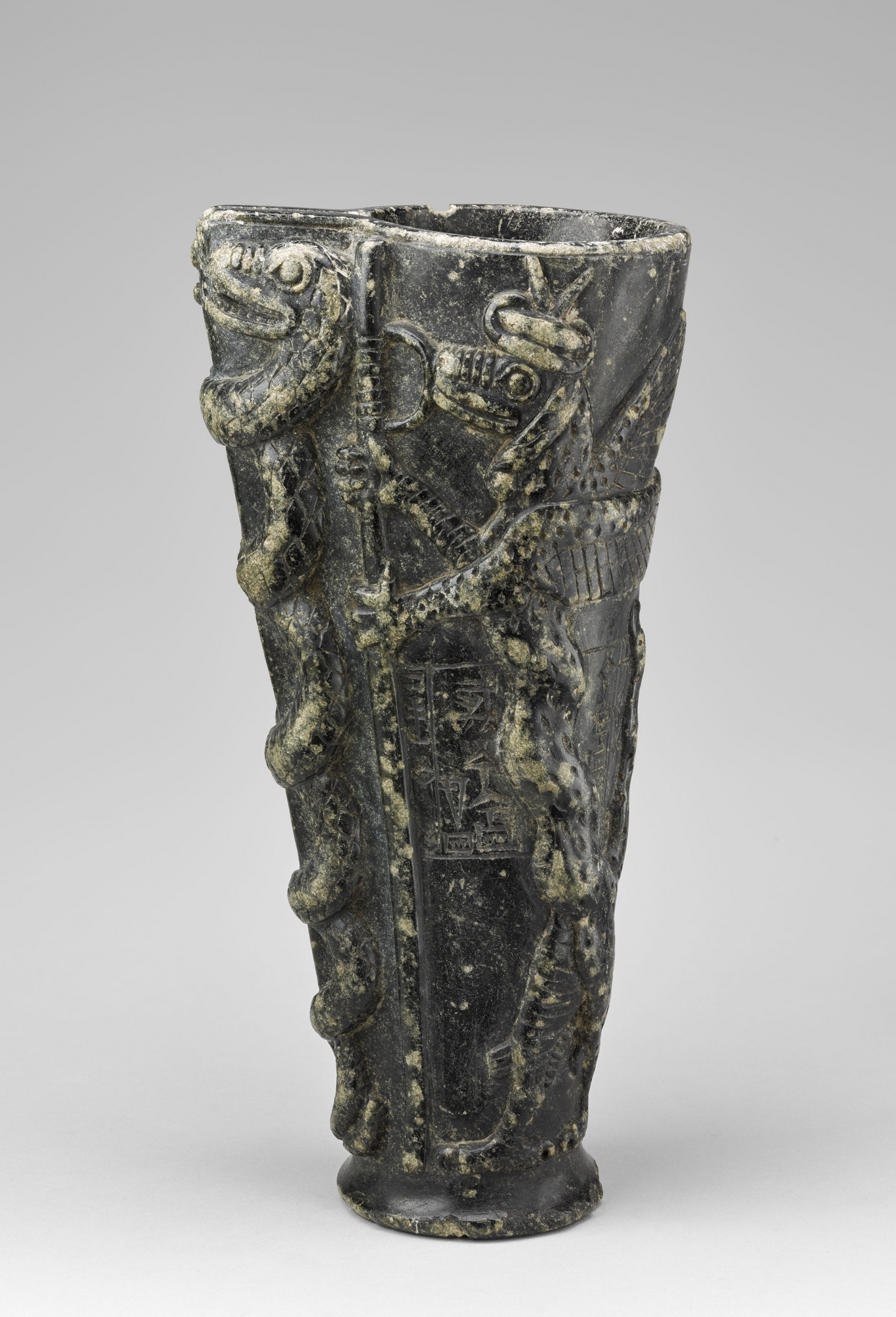
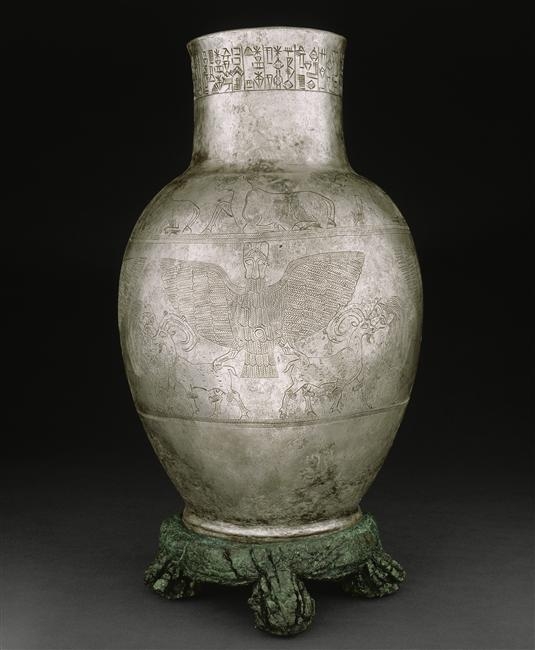
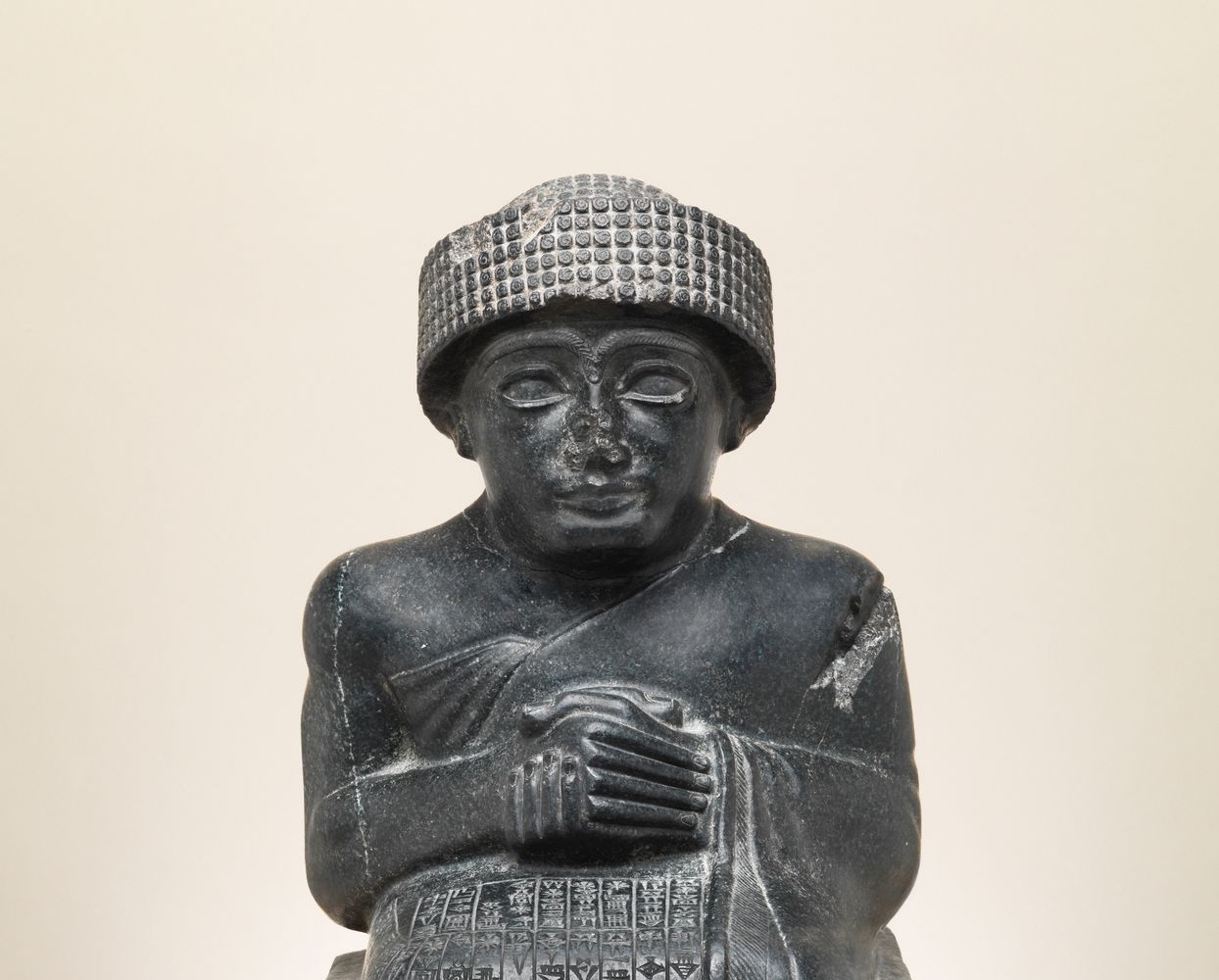
At that time, it was the main city of one of the most prosperous Sumerian kingdoms in southern Mesopotamia. The city of Girsu (modern-day Tello) was home to a temple dedicated to its patron god, Ningirsu (the ‘Lord of Girsu’). Many works of great historical significance were discovered there, including an exceptional silver vase dedicated to the god Ningirsu by King Enmetena. Tello also uncovered the remains of the stele, known as the ‘Vultures' Stele’, the earliest known monument to commemorate a historical event through text and imagery, namely King Eannatum's victory over the neighbouring kingdom of Umma. Tello enjoyed a further period of prosperity during the Second Dynasty of Lagash, of which Prince Gudea, around 2120 BC, is the most famous representative. He distinguished himself as a pious ruler and a great builder by erecting a new temple in honour of Ningirsu, and he left behind more than twenty statues of himself. We know of a final phase of occupation at the site, dating to the Parthian period (2nd century BC), when a palace was built for an Aramaean prince, Adad-Nadin-Ahhe. Tello covered an area of 250 hectares. Despite numerous instances of looting, the many artefacts and texts unearthed by the French teams led to major advances in the rediscovery of Sumerian civilisation.
Research in Tello
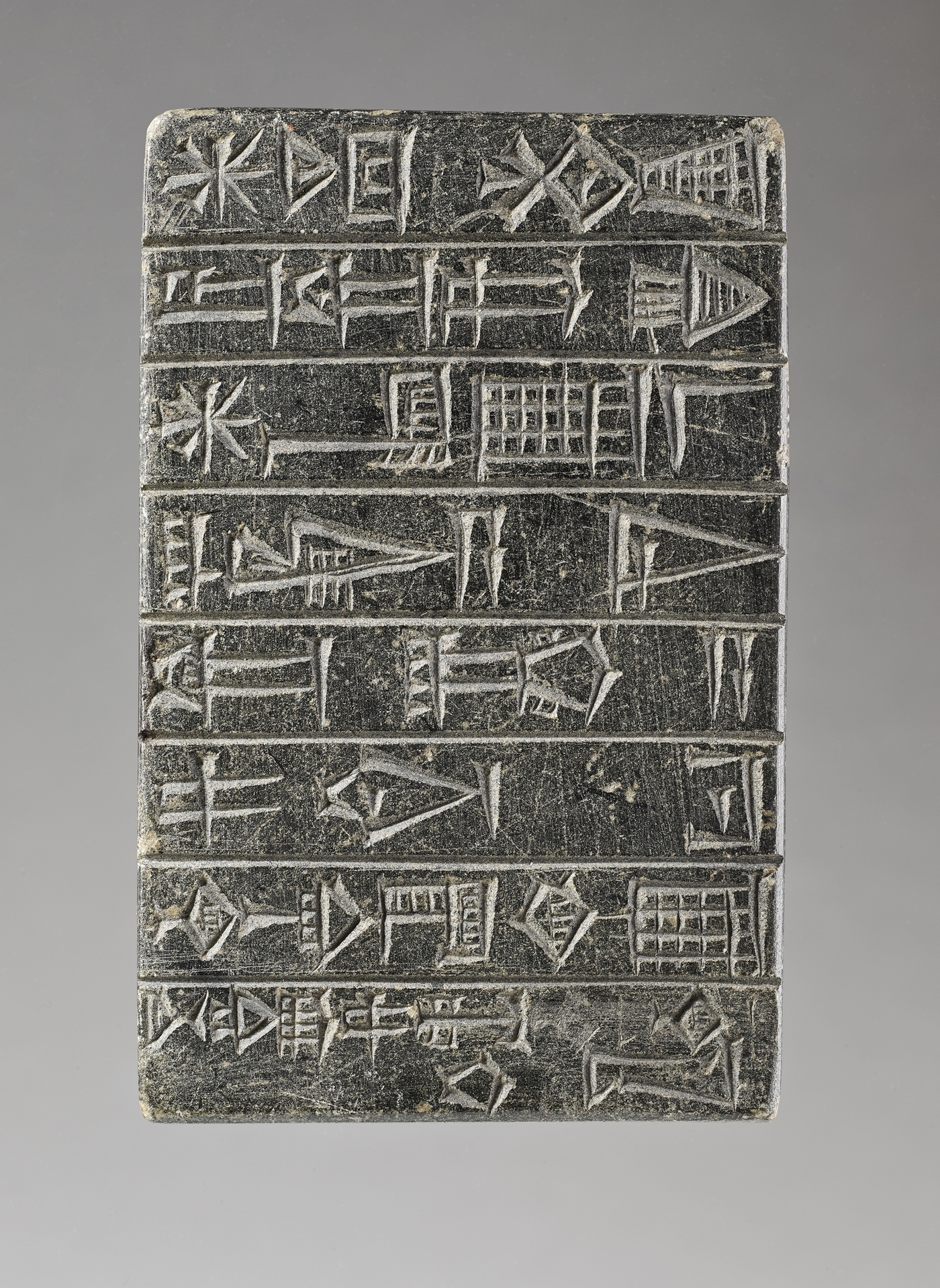
Ernest de Sarzec, French vice-consul in Basra, began excavating at Tello in 1877, and was very quickly supported by Léon Heuzey, a curator at the Louvre. He then went on to work with Gaston Cros, who succeeded Ernest de Sarzec. From 1929 to 1933, they were taken over by Henri de Genouillac, and then by André Parrot. Tello's texts were first deciphered by the epigraphist François Thureau-Dangin. The website of the Louvre Museum's Department of Oriental Antiquities houses a very extensive collection of artefacts from Tello.
The fight against theft and illicit trafficking of cultural property is one of the priorities of the Ministry of Culture, which places great focus on all these issues, particularly through its independent role in regulating the movement of cultural property.
For further information on Tello, the Bibliothèque d’Orient, as part of the ‘Patrimoines partagés’ collection coordinated by the Bibliothèque nationale de France, is freely accessible.
Learn more
- Statue of Gudea, known as ‘Gudea as Architect’
- The perforated relief from Ur-Nanshe