

Salamis, ancient capital
Salamis, on the east coast of Cyprus, now in the occupied zone, was a capital city for nearly two millennia, from its foundation in the 11th century BC until it was abandoned during the Arab raids. A French expedition carried out excavations there from 1964 until the invasion of 1974. Its archives are freely accessible.

The French excavations at Salamis in Cyprus (1964–1974) uncovered remains and artefacts that document the entire history of the city. The mission's archives, which have been digitised and made available to specialists and interested members of the public, allow visitors to explore the site and its discoveries, as well as to access its publications.
The French Archaeological Mission at Salamis (1974-1974)
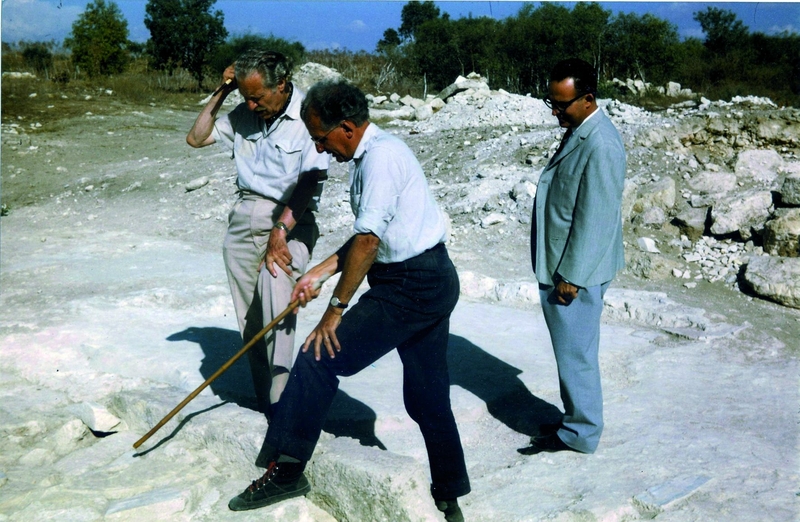
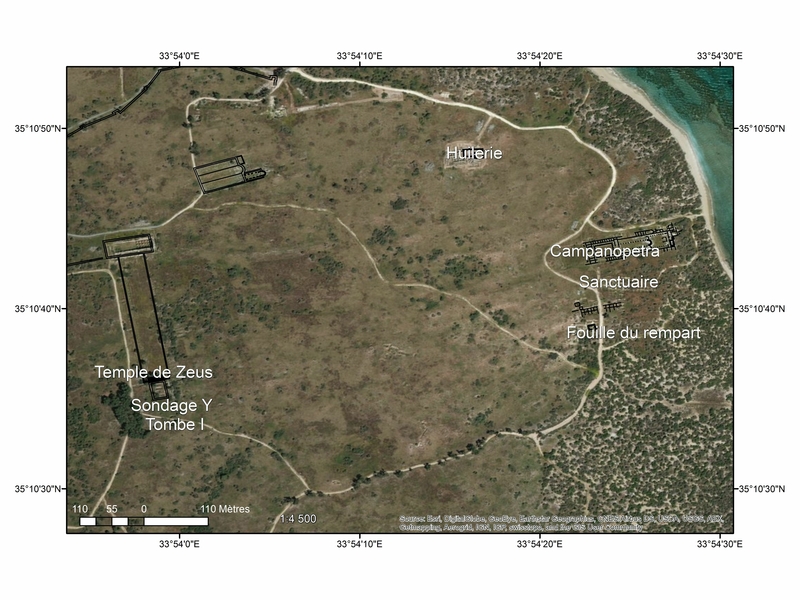
The “French Archaeological Mission at Salamis, Cyprus” was founded in 1964 by Jean Pouilloux, who served as its director, thanks to the efficiency and friendship of Vassos Karageorghis, Director of Antiquities of the new Republic of Cyprus, which had gained its independence in 1960. Working in collaboration with colleagues from the Department of Antiquities, who were at the time exploring the Roman monumental centre to the north and the necropolises to the west, the French expedition focused its work on the site of the city, with spectacular results. It thus unearthed a tomb dating from the 11th century BC, which enabled the site's foundation to be dated. It also uncovered the remains of a Hellenistic temple (the first example of this architectural type in Cyprus), as well as those of a magnificent early Christian basilica. In less than ten years of excavations, it thus established the two extreme boundaries of the site's occupation and gathered a rich and varied collection of artefacts that documents nearly two millennia.
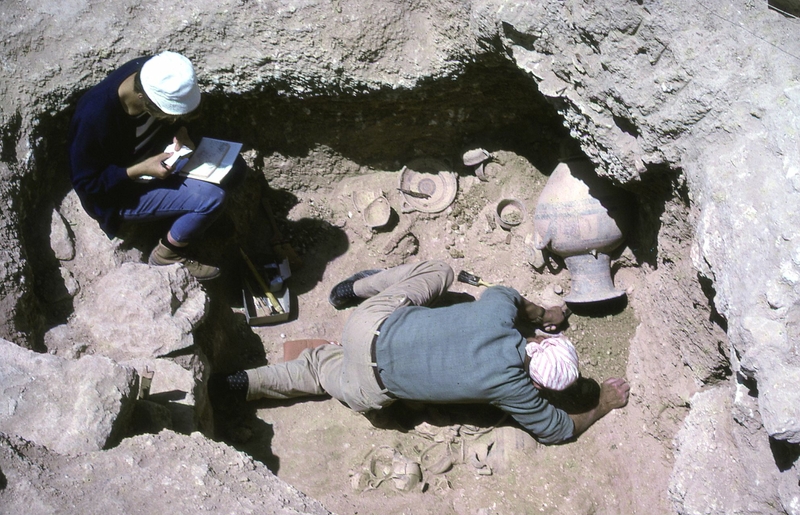
Tomb I
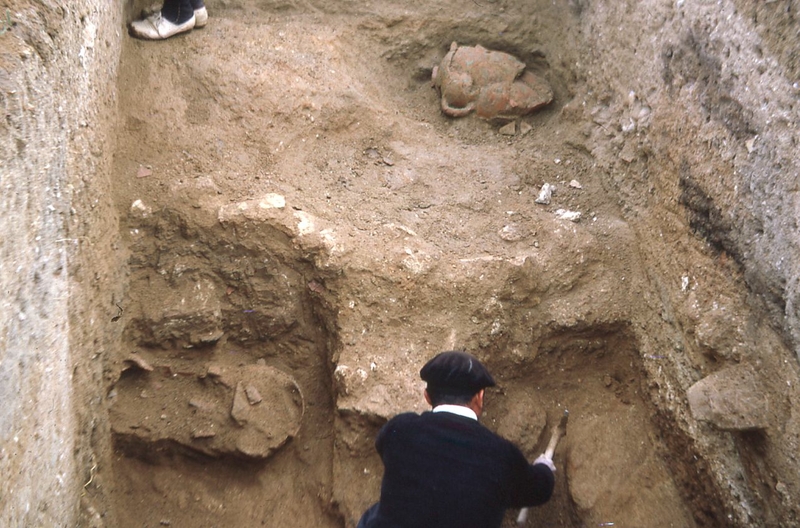
Discovered by chance — because a well dating from late antiquity had cut through its chamber — Tomb I revealed the existence of a necropolis that had been established to the west of the newly founded city as early as the 11th century BC. The pottery finds reveal a preference amongst local craftsmen for two-colour decorative motifs; this use of two colours remained a characteristic feature of Salaminian workshops throughout the Iron Age.

The Temple of Zeus
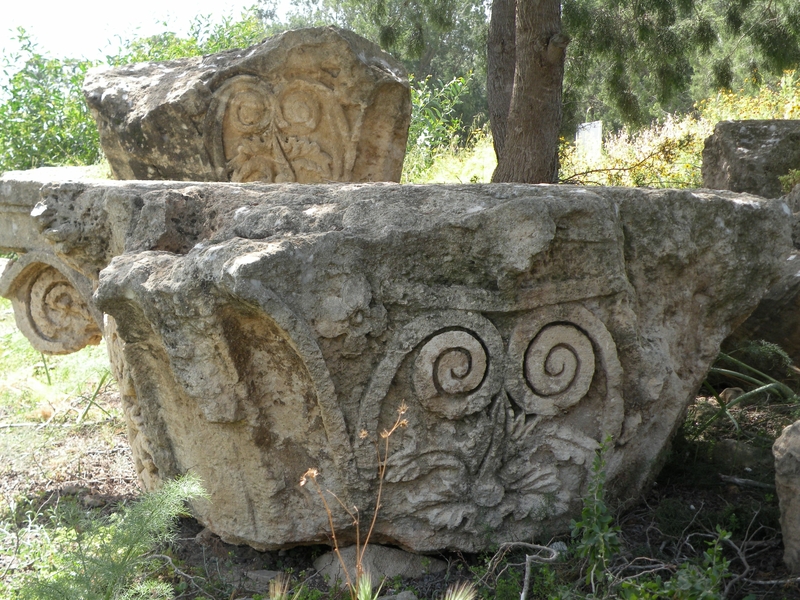
Built in the 2nd century BC in honour of Zeus, the patron deity of the city of Salamis, the temple is the first building of its kind to have been erected in Cyprus. Its architecture, particularly its capitals, reveals a strong Alexandrian influence. Alexandria in Egypt was, in fact, during the Hellenistic period, the capital of the kings who also ruled over Cyprus.
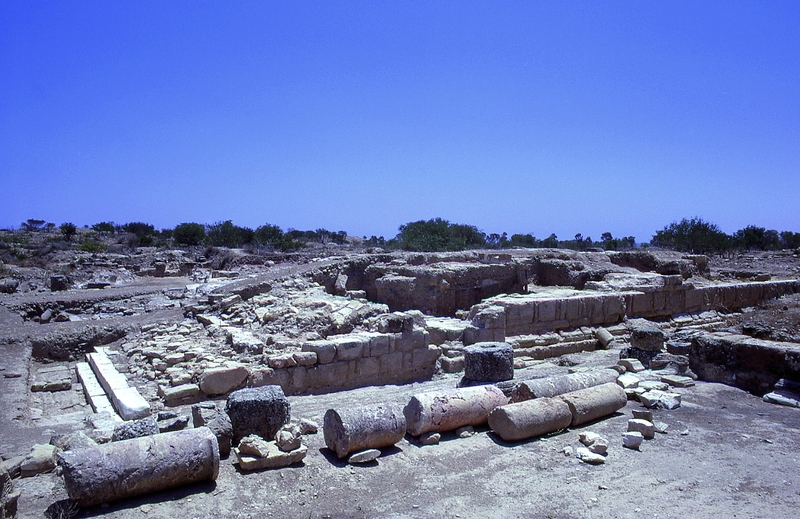
The Basilica of Kampanopetra
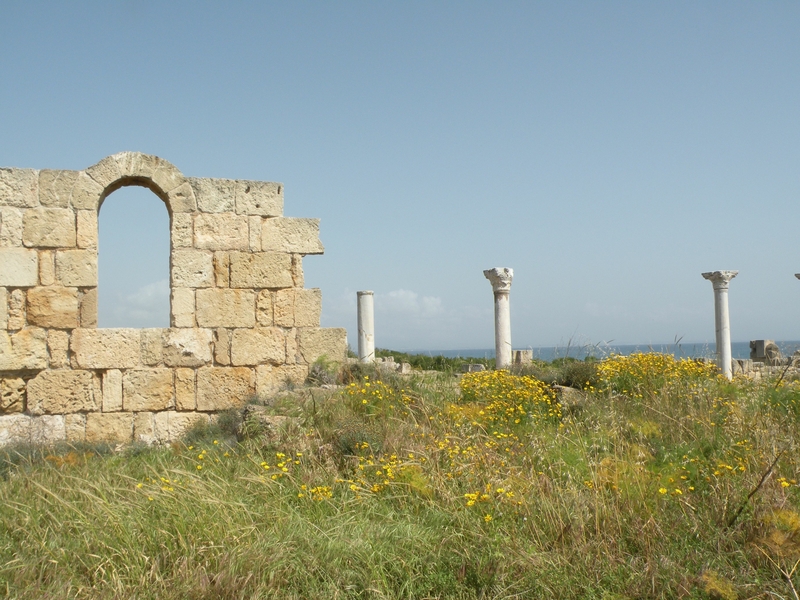
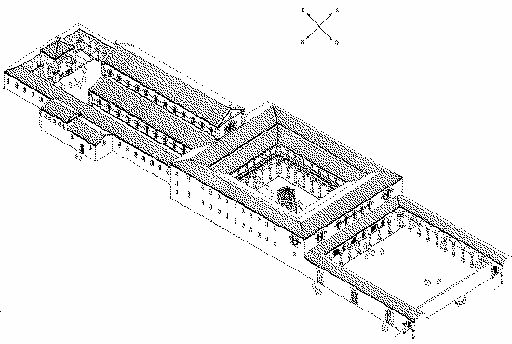
On a plateau overlooking the sea, a magnificent basilica was built in the 6th century AD. A door jamb, which had remained standing, still marked its location before the excavation began. Commonly known as the “bell stone” (Kampanopetra), it is this artefact that gave the basilica its name. Its monumental scale, together with the presence of ancillary buildings, suggests that it was an important place of pilgrimage, housing a holy relic (perhaps a fragment of the Cross?).
The archives of the French mission to Salamis
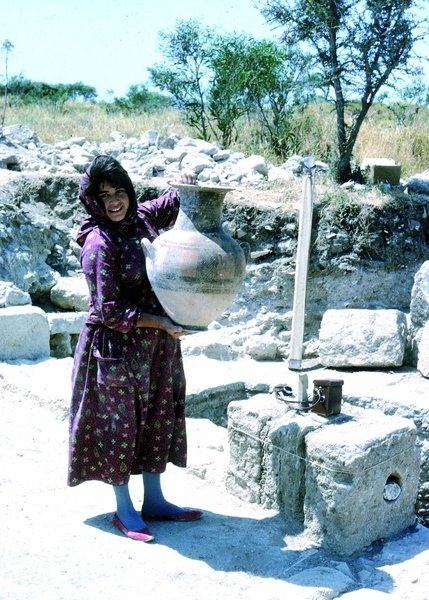
The work of the French archaeological mission at Salamis, which has been unable to carry out fieldwork since 1974, has continued thanks to the archives held at the Maison de l'Orient in Lyon. The publications in the Salamis in Cyprus collection comprise sixteen open-access volumes. As for the archives, they have been digitised and can be accessed via a dedicated portal. They include a large number of previously unpublished documents (records, photographs of excavations and artefacts, etc.). In addition to its scientific and heritage value (the fate of most of the objects discovered by the mission remains unknown today), it is also interesting from an ethnographic perspective. In effect, the archives document the state of archaeological research and maintain a valuable record of a vanished society — that of the villagers who took part in the excavations.
Useful links
- Portal for the scientific archives of the French mission (the archaeological sites of Kition and Salamis)
- Description of the archives of the French mission to Kition and Salamis
- The Salamis in Cyprus collection is freely available on the Persée portal
- Presentation of the research programme on Cyprus on the HiSoMA laboratory's website
- Story map of Salamis in French and English