Medieval Aleppo
Few modern cities can boast, as Aleppo does, of having roots stretching back to the very earliest times. Incorporated into the Arab-Islamic Empire as early as 637, Aleppo remained a minor centre for a long time, overshadowed by its prestigious neighbour, Damascus.
A medieval Arab city
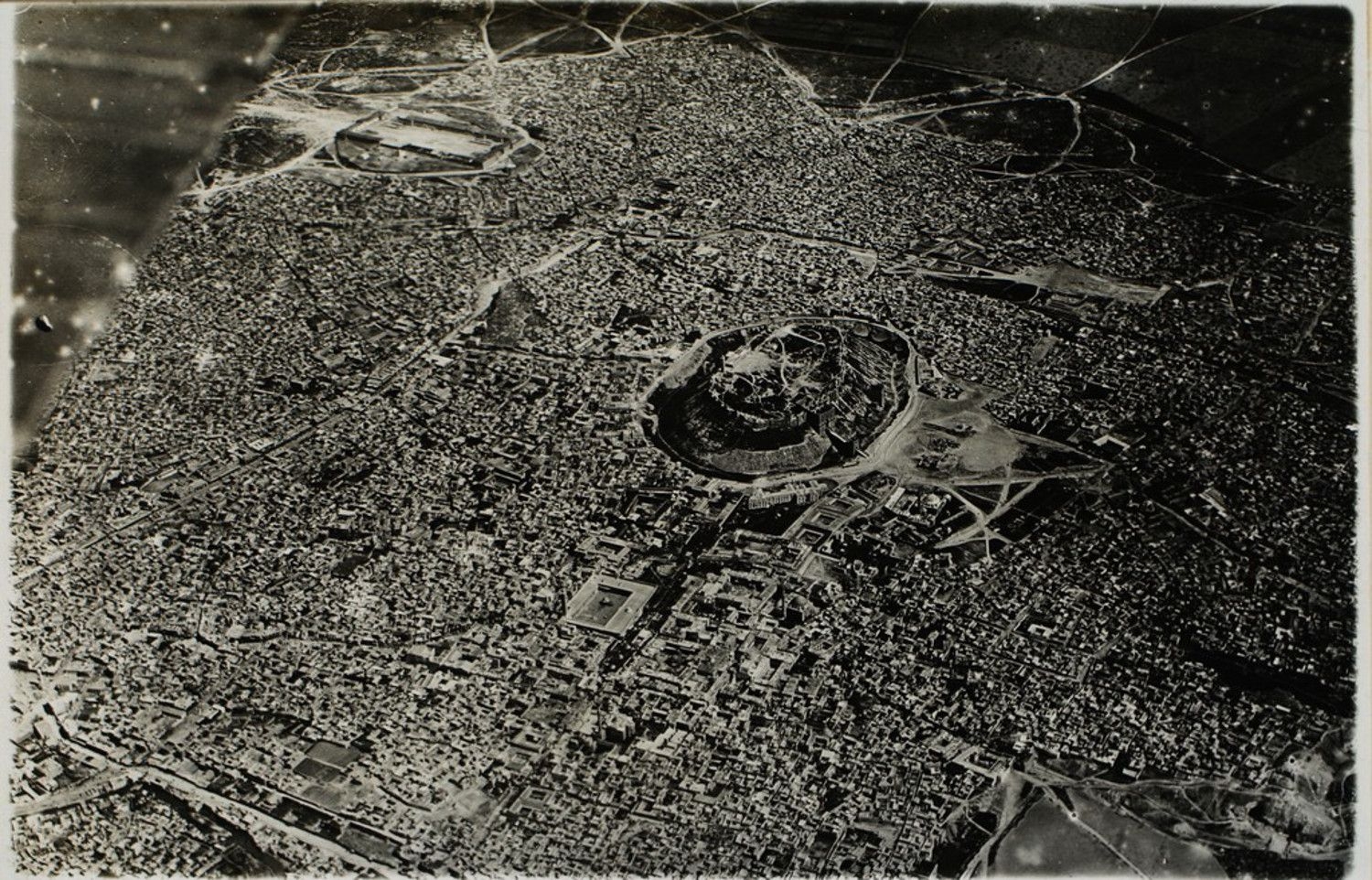
Whilst numerous Hittite, ancient and Byzantine remains can still be seen in Aleppo, the city as it stands today is, above all, a medieval Arab city, strongly influenced by its Ayyubid and Mamluk rulers, who succeeded one another between the 12th and the 15th centuries.
It was with the establishment of the Seljuk dynasty in the 11th century, and then the Ayyubids in the following century, that the city became a flourishing capital. Over the centuries, its dense urban fabric was dotted with prestigious complexes, mosques, madrasas, hospitals and mausoleums, whilst commercial infrastructure — souks and caravanserais — proliferated.
The citadel
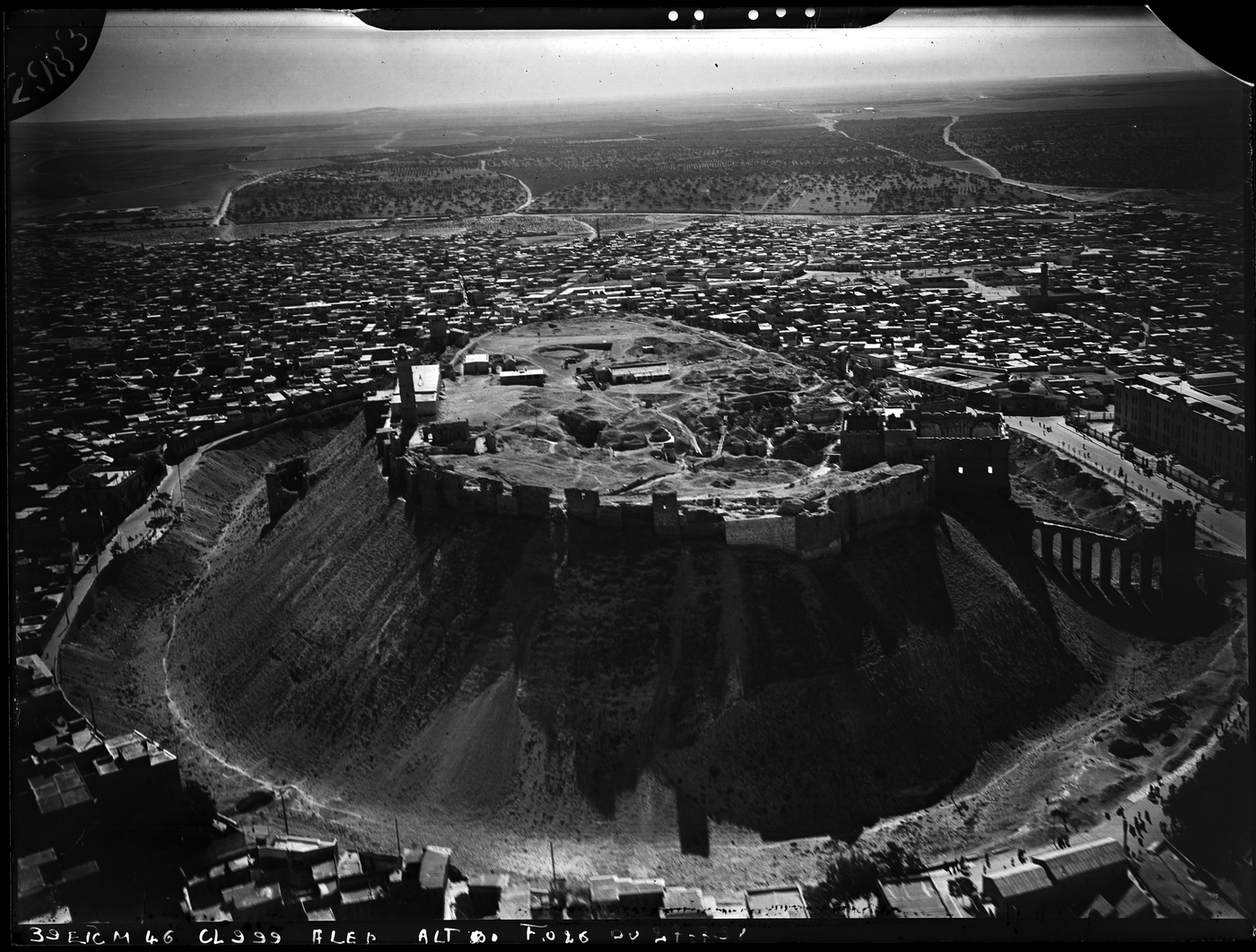
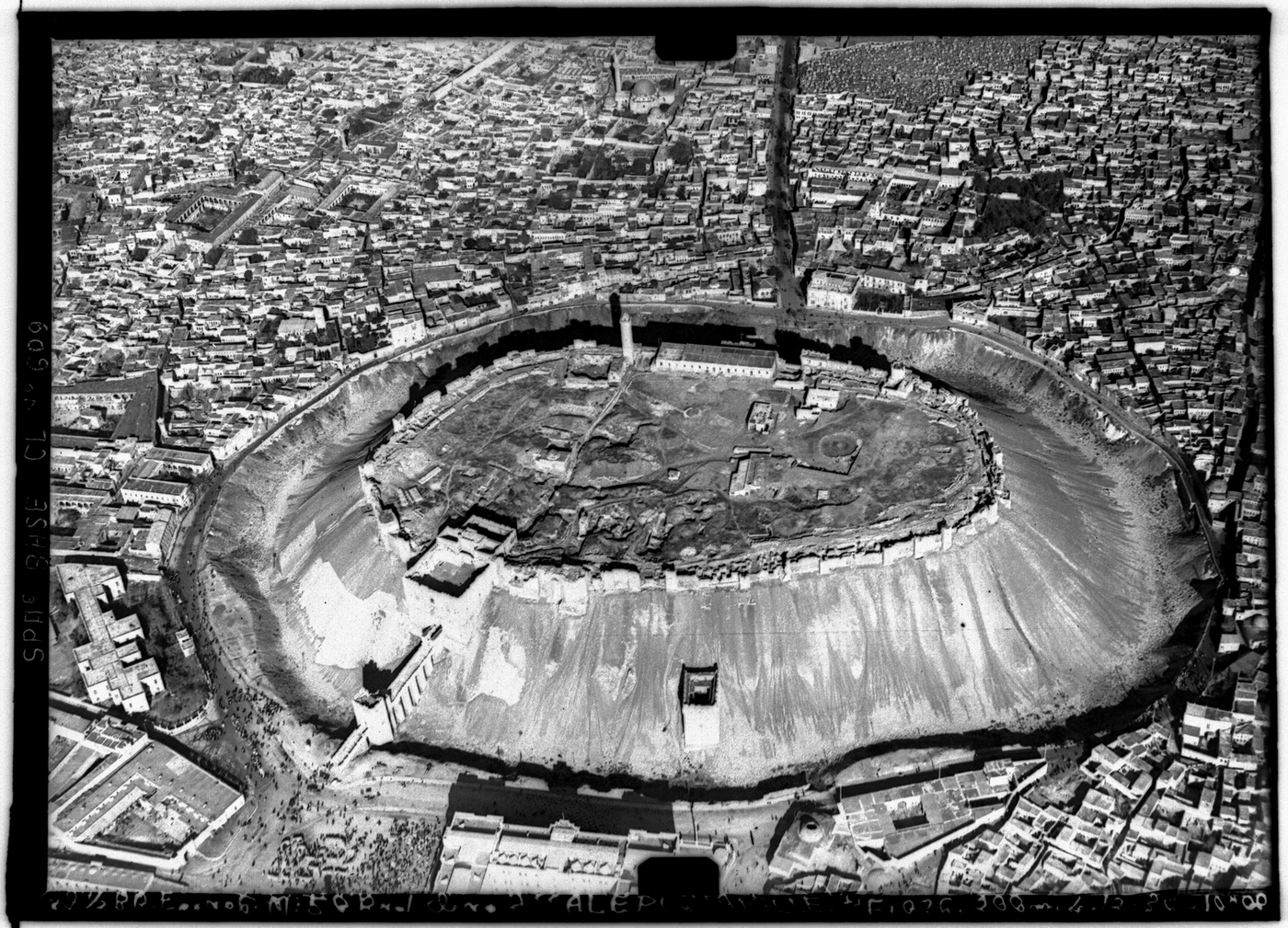
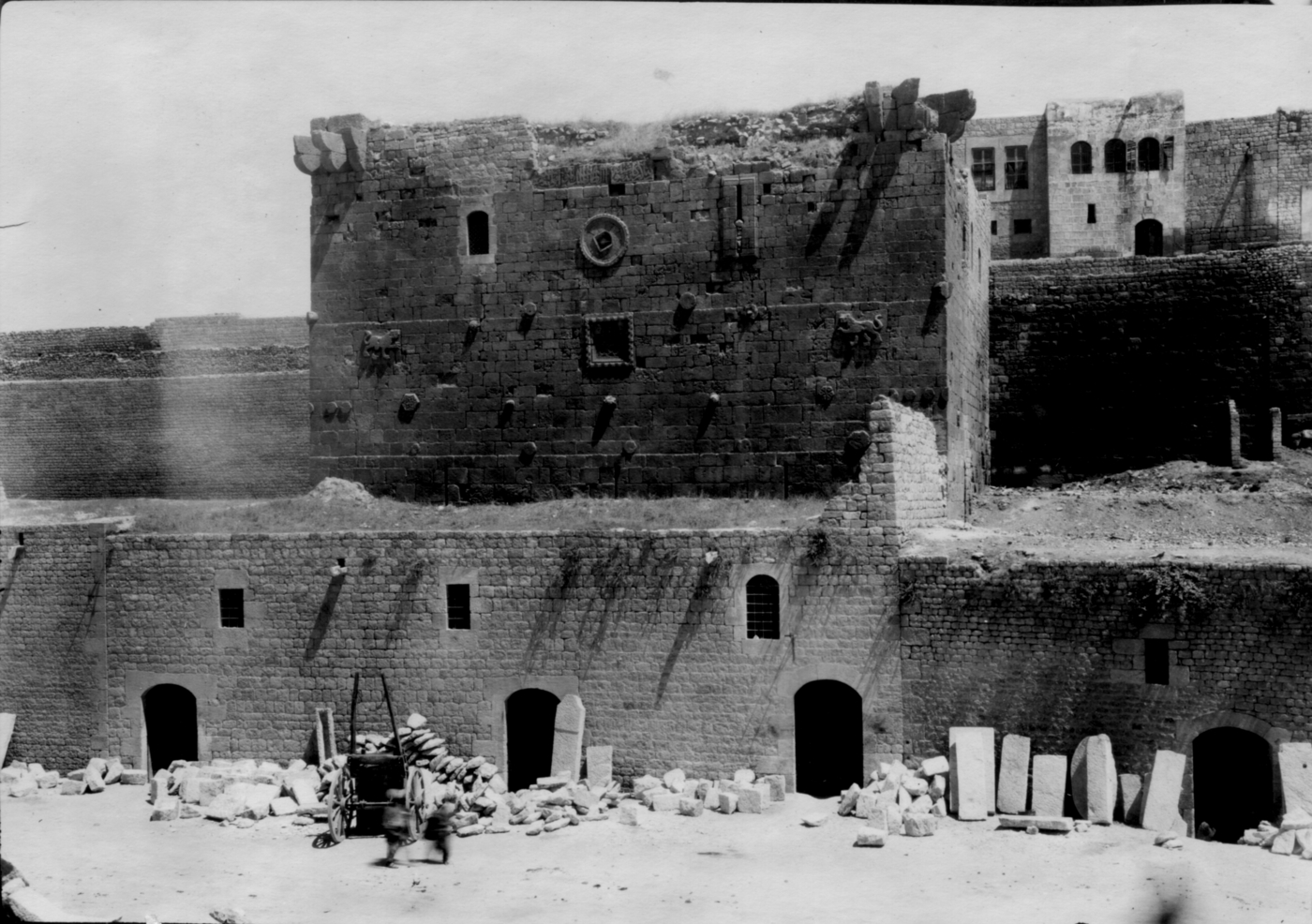
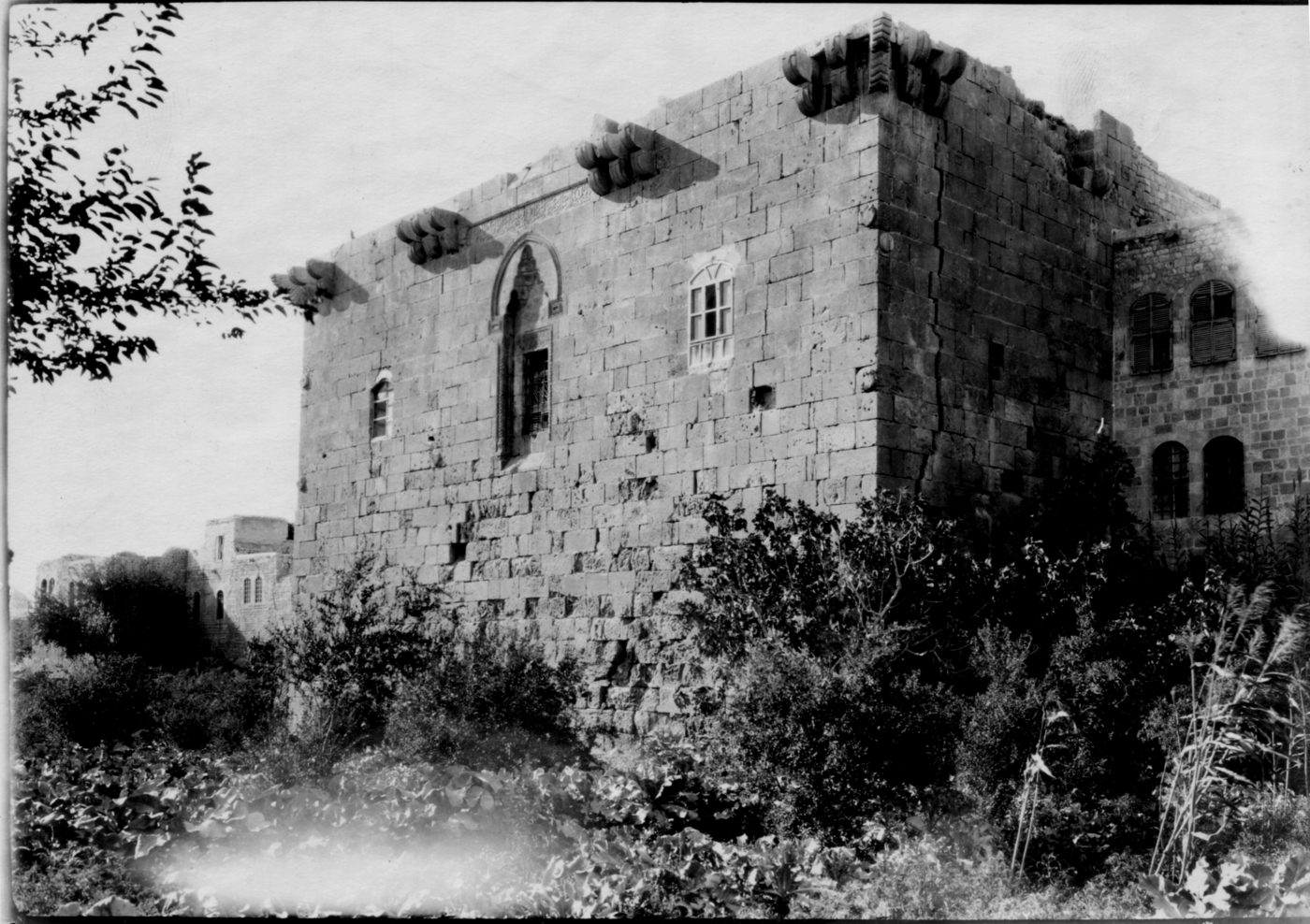
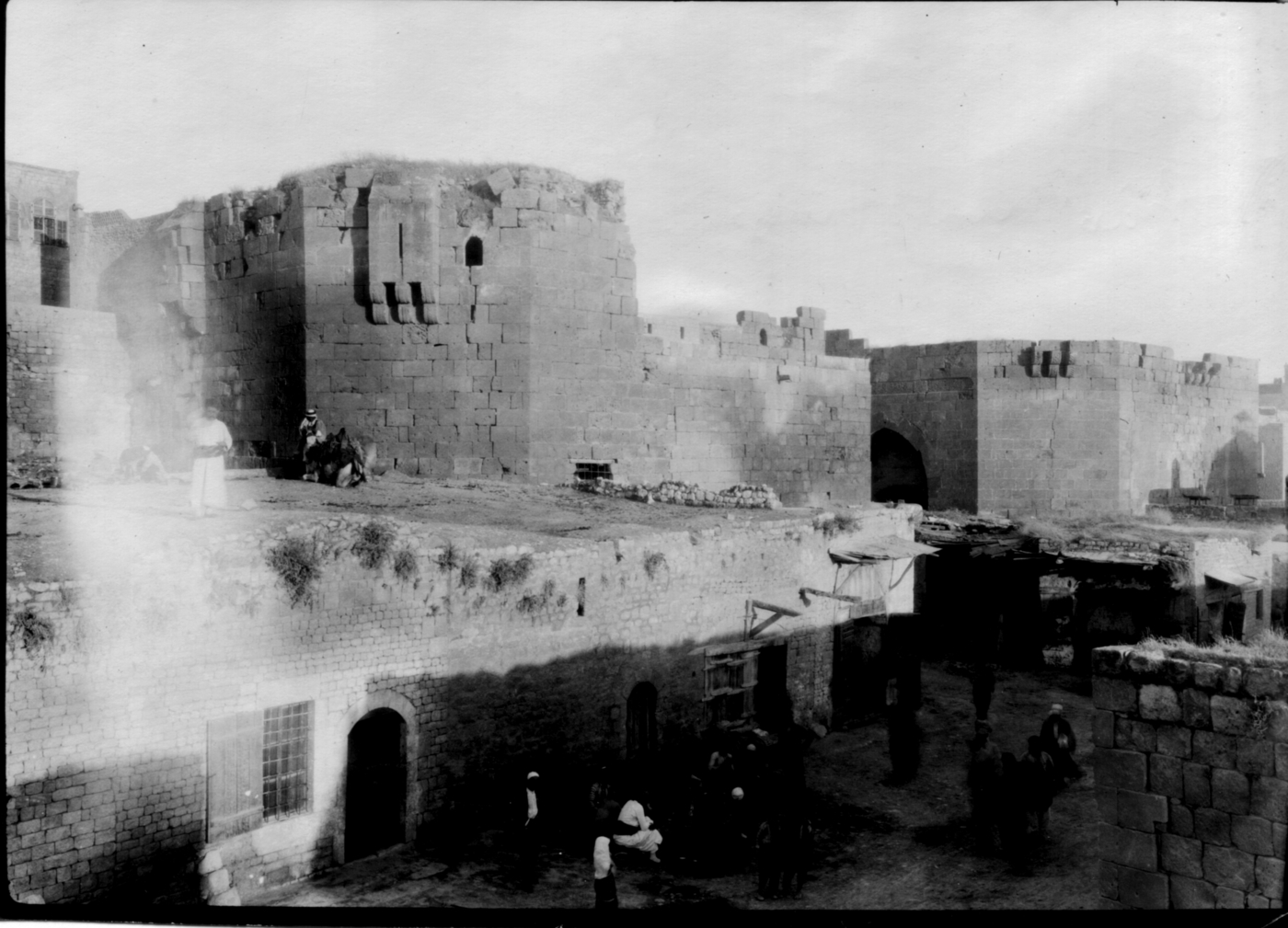
As the seat of successive administrations that ran the city, the citadel has been remodelled on numerous occasions. The present complex was mainly built in the 12th century by the Zengid ruler Nûr al-Dîn, and subsequently during the reign of Saladin's son, al-Mâlik al-Zâhir Ghâzî. Oval in shape, it bears witness to the advances in military architecture during the Crusades, with its walls, impregnable glacis, moat and angled gates. The ruins, as they stand today, include, amongst other things, the Ayyubid palace, a grand mosque and a hammam.
The lower town
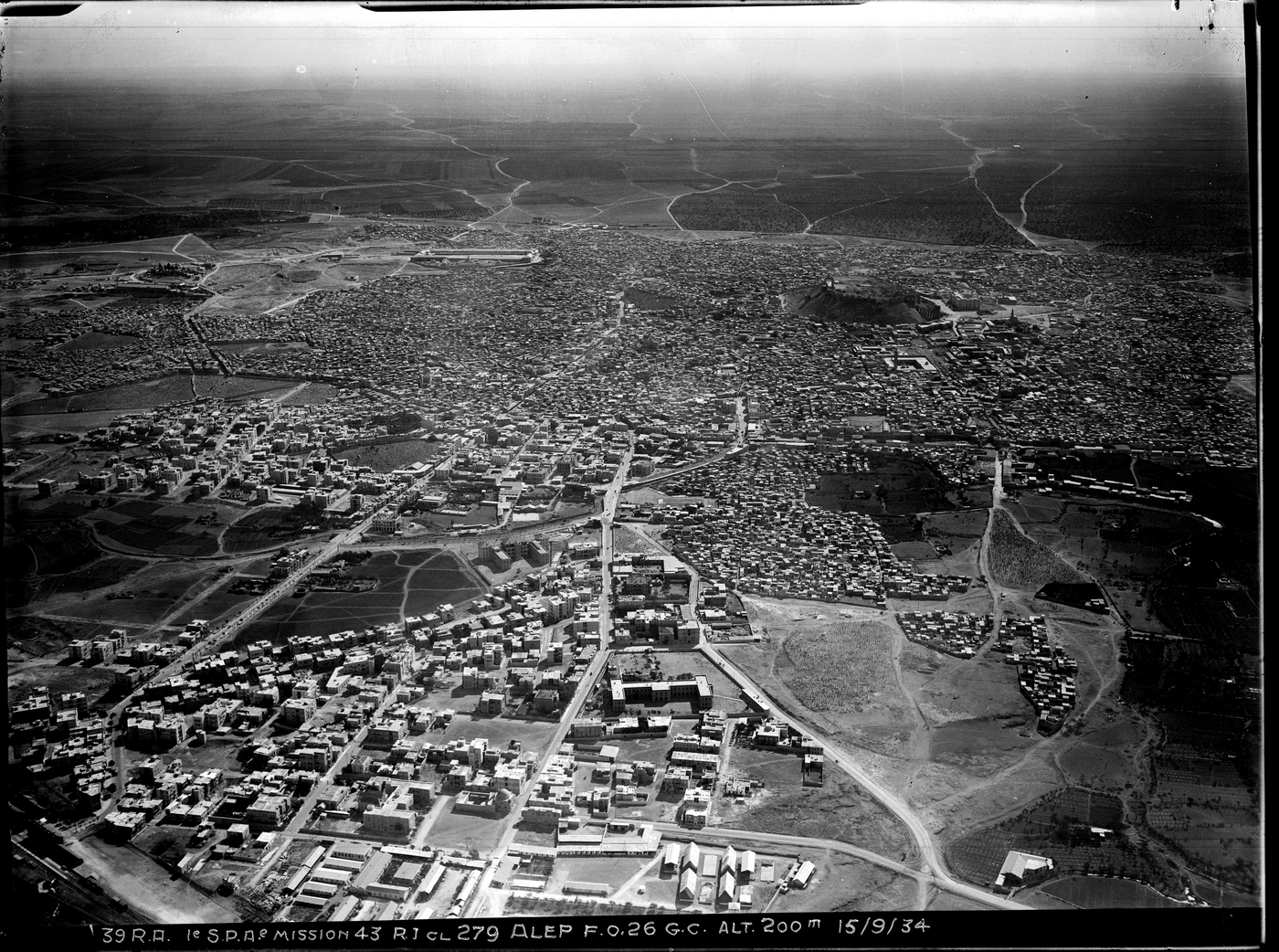
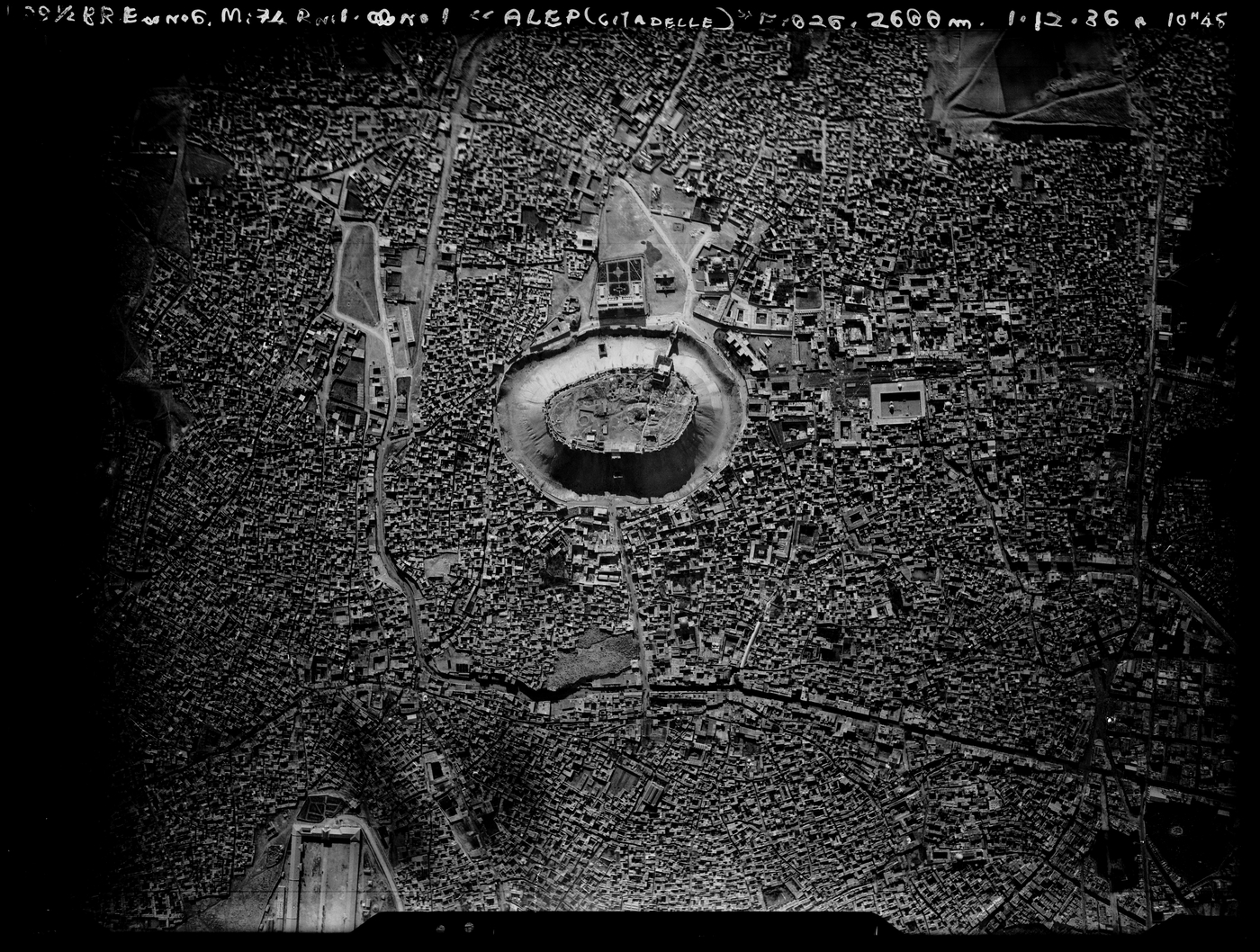
The town, which grew up around the rocky promontory of the citadel, is also enclosed by a defensive wall dating from the Ayyubid period. Featuring monumental gates, this fortification was built by Saladin following his victory over the Crusaders. The street layout retains traces of the ancient Hippodamian plan, although, like its neighbour Damascus, it had been extensively altered even before the arrival of the Arab conquerors in the 7th century.
The city is characterised in particular by its large number of madrasas, as well as by its commercial infrastructure, which bears witness to its leading role in the transit of goods from the Levant to the Mediterranean right up until the end of the Ottoman era.
The suburbs
Before long, several suburbs sprang up to the north and east, beyond the city walls. These suburbs also boast a number of prestigious architectural complexes (mosques, madrasas and mausoleums).
Several neighbourhoods were established by specific communities, such as the Christian quarter in the northern suburbs, where Armenians in particular settled from the 15th century onwards. The latter enjoyed a high social status owing to their leading role in the textile trade, as evidenced by certain residences dating from the Ottoman period.
Thanks to its unrivalled architectural heritage, the ancient city of Aleppo has been listed as a UNESCO World Heritage site since 1986.