Europos-Doura
It is the turbulent history of Europos-Doura that makes it such an important site. Like Pompeii, where life came to an abrupt halt, the excavations have revealed an intact picture of the civilisation that flourished in Syria during a period marked by the Hellenisation of the East, the clash between the Roman, Parthian and Sassanid empires, and the early days of Christianity.
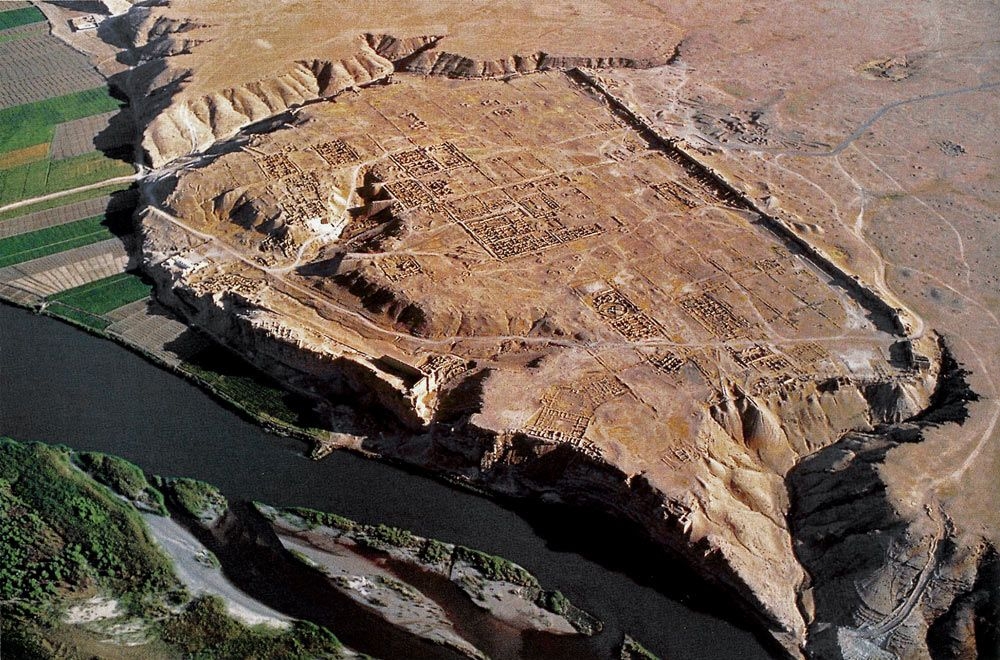
Around 300 BC, a Macedonian fort called Europos was founded by Seleucus I, one of Alexander the Great's generals, on the site of an older fort.
From a small fort to a cosmopolitan city
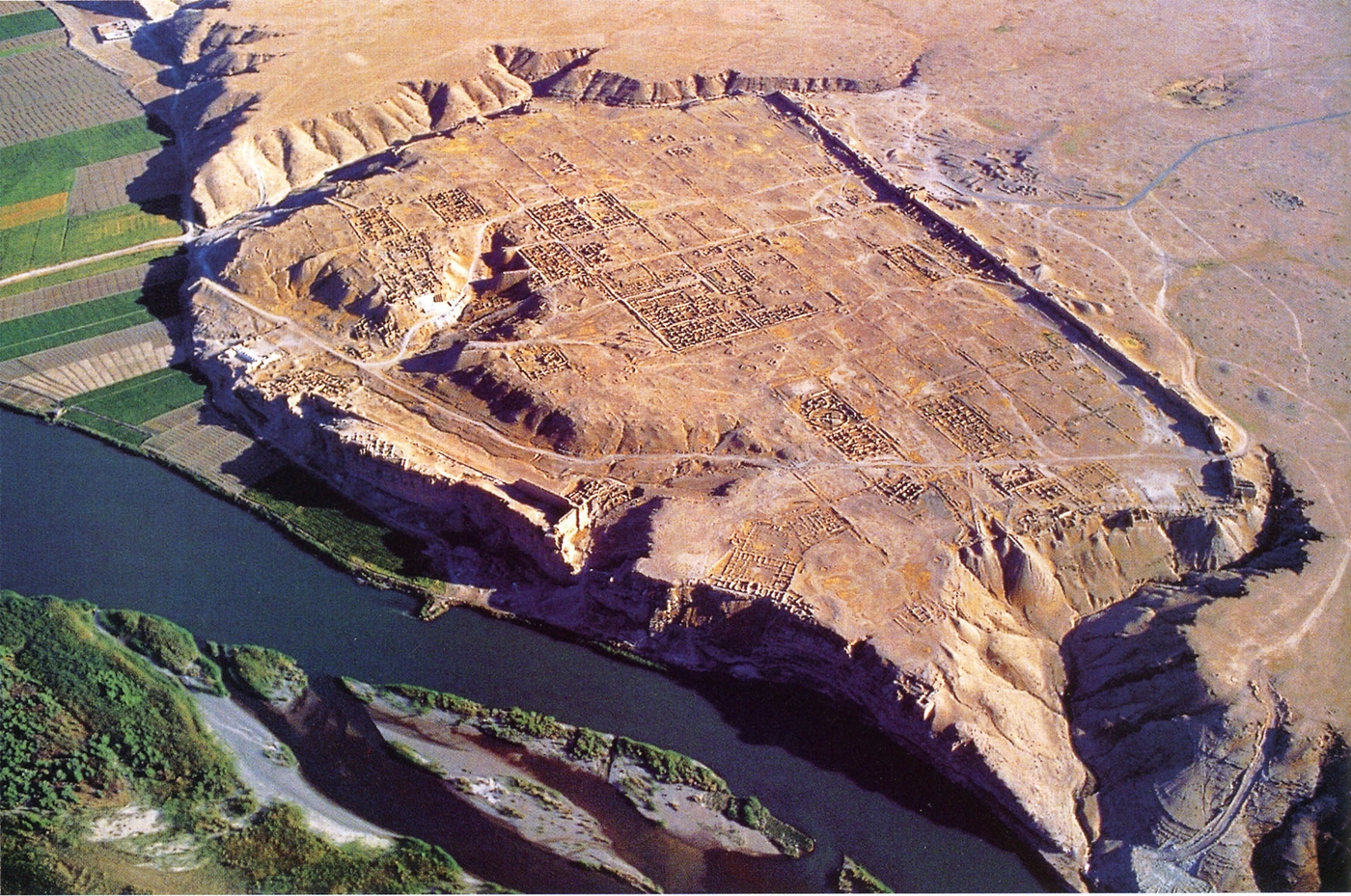
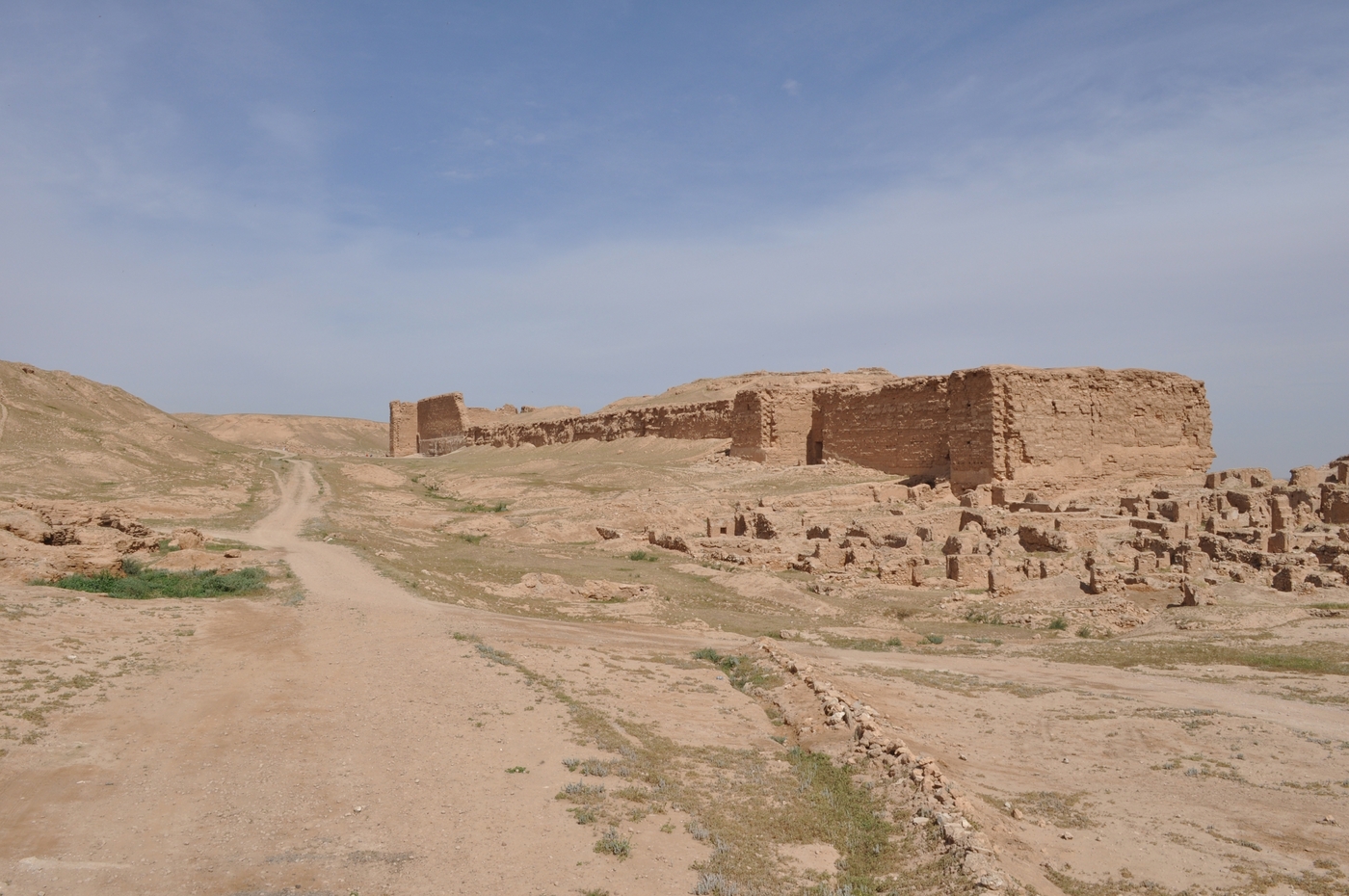
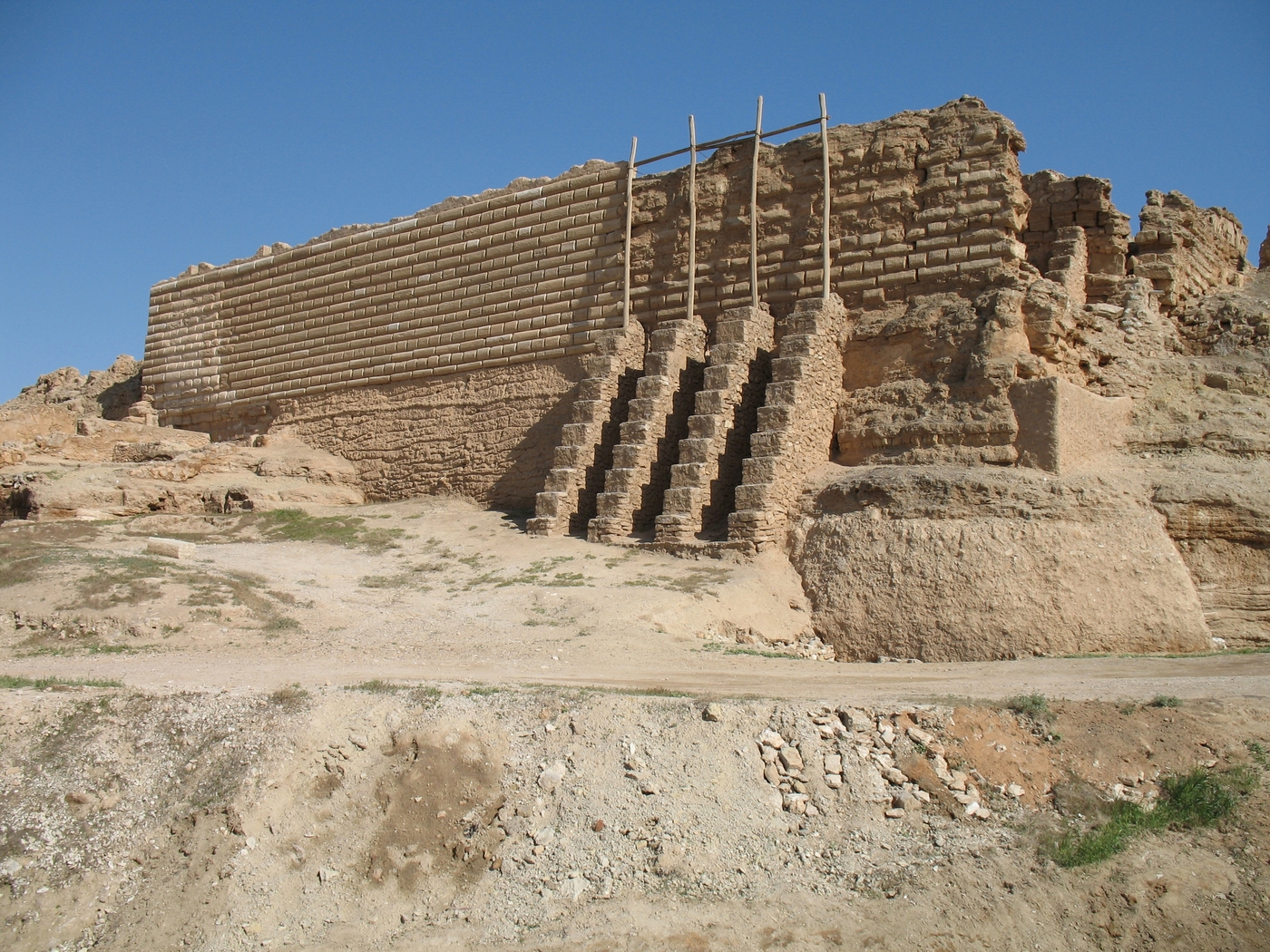
Europos was the name of Seleucus' home village, and the term Doura, which was later added to it, means ‘fortress’. 150 years later, this small fort has been transformed into a town. The ruins of the latter cover 75 hectares and are situated within the city walls. Europos-Doura was built around a vast agora with a typical Hippodamian layout. Work on the stone fortifications did not begin until the middle of the 2nd century, but they remained unfinished.
The city features Greek institutions, including a Boule, a select assembly of citizens responsible for the city's laws. Around 110 BC, Europos-Doura fell to the Parthians, but went on to experience a period of great expansion. It then became a cosmopolitan city, where Greek, Iranian and Semitic peoples lived together.
The Roman city
From the 2nd century AD, Europos-Doura was occupied by the Romans, notably the Emperor Trajan. The site reaffirmed its military significance and became home to new monuments: around fifteen shrines, including a temple dedicated to Mithras, an amphitheatre and thermal baths. The site was also famous for its synagogue, completed in 244, and for the Christian houses adorned with splendid frescoes, for which it became renowned.
Around 256, the city was captured by the Sassanids, who deported its entire population. The site no longer remained in use and fell into oblivion.
Investigations on the site
The city of Europos-Doura, discovered in 1920, was explored by a French expedition led by Franz Cumont (1922–1923), and subsequently by a Franco-American expedition led by Mikhail Rostovtzeff (1928–1937). The missions resumed in 1986 after a 50-year hiatus, on the initiative of Pierre Leriche, who founded the (Franco-Syrian Mission of Europos-Doura), in partnership with the Ministry for Europe and Foreign Affairs and the Syrian Directorate of Antiquities. The last campaign took place in spring 2011 and the site has been inaccessible ever since.
The fight against theft and illicit trafficking of cultural property is one of the priorities of the Ministry of Culture, which places great focus on all these issues, particularly through its independent role in regulating the movement of cultural property.
Learn more