Mesopotamia in a state of change
The village of Tell Feres tells the story of the incredible social and economic changes that took place in Northern Mesopotamia at the end of prehistory. Indeed, we can see that urbanisation and social stratification were becoming increasingly complex.
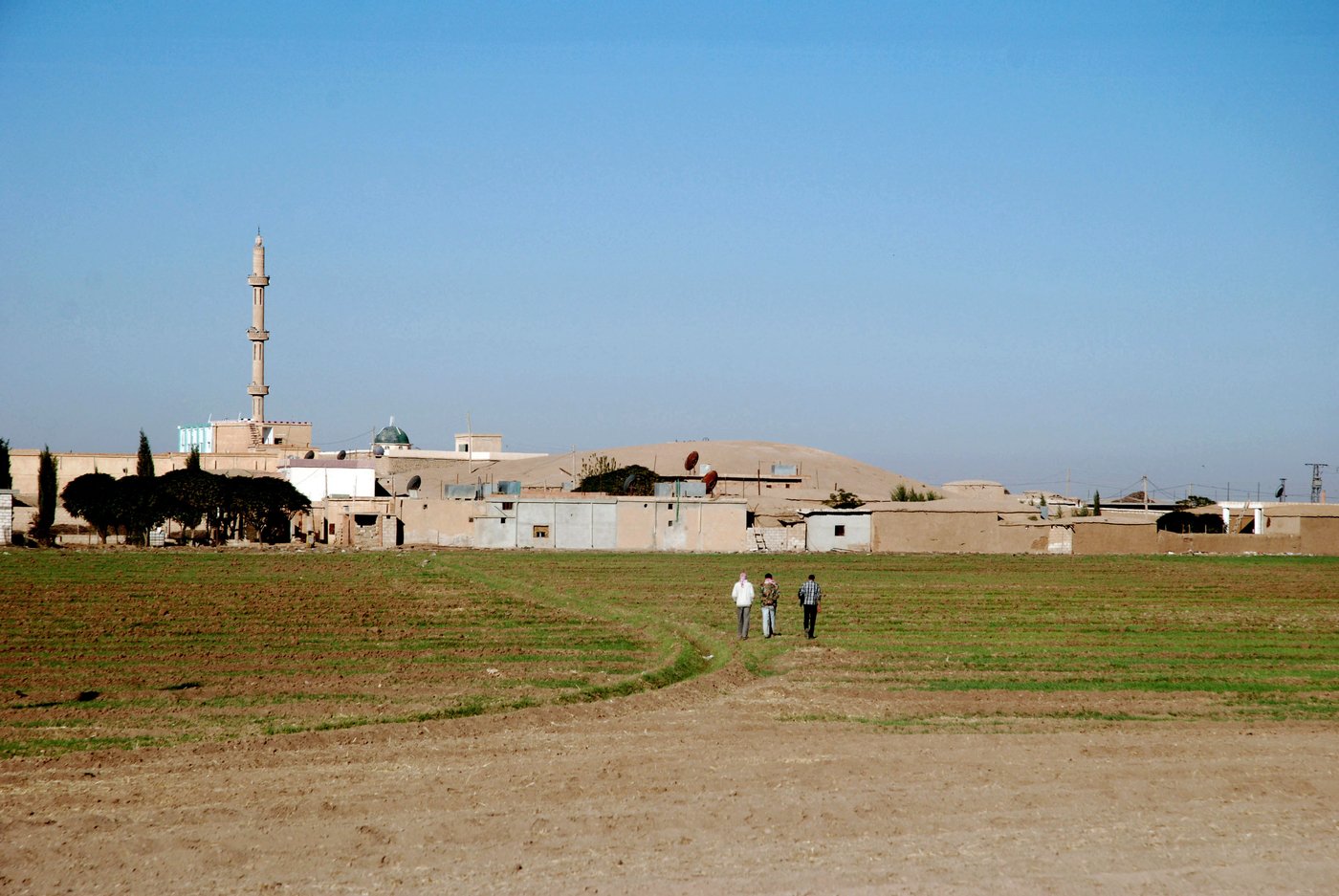
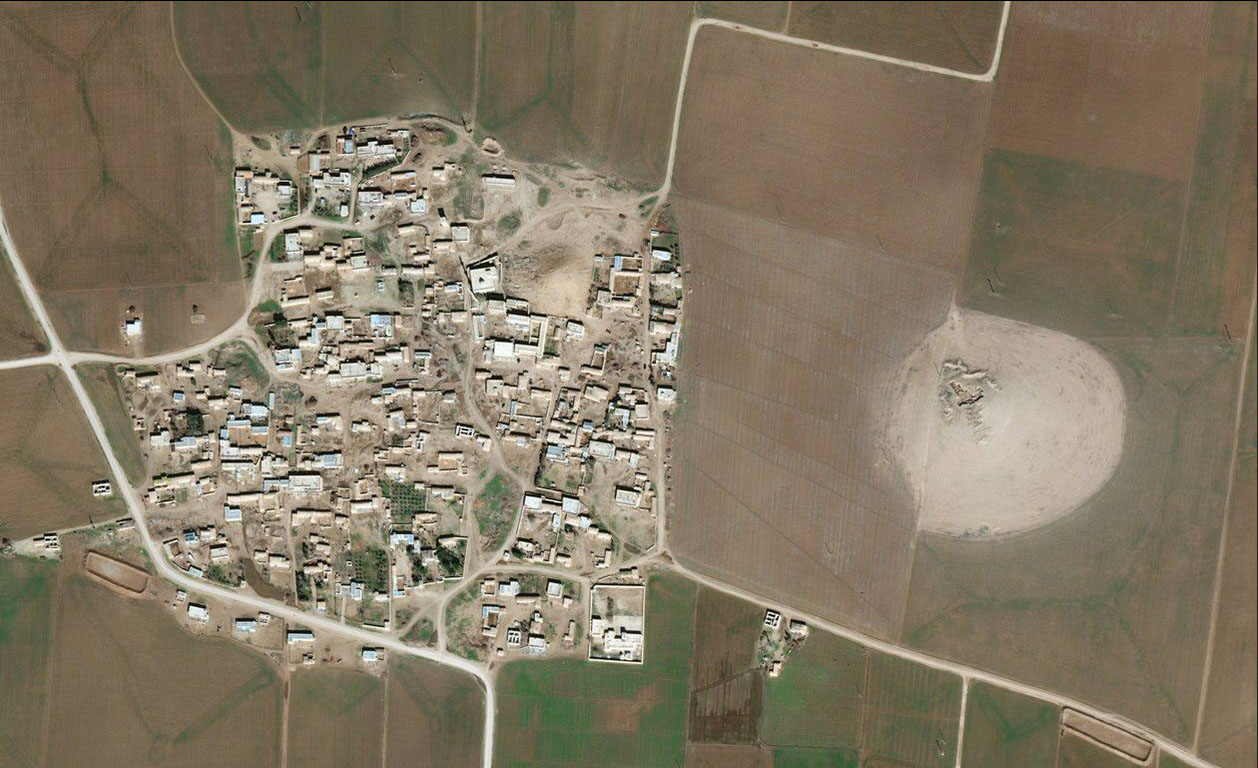
The village of Tell Feres is situated in north-eastern Syria, just 8 km from Tell Brak. It shows signs of continuous occupation from the beginning of the 5th millennium to the end of the 4th millennium BC. Excavated between 2006 and 2010, the site has profoundly transformed our understanding of the Late Chalcolithic in Northern Mesopotamia.
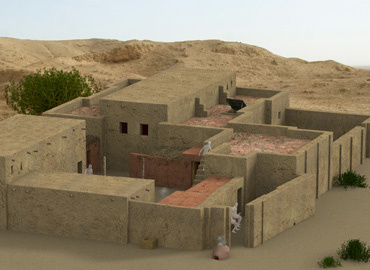
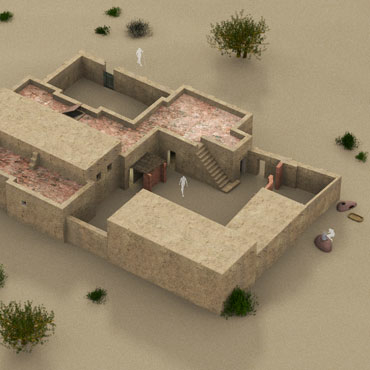
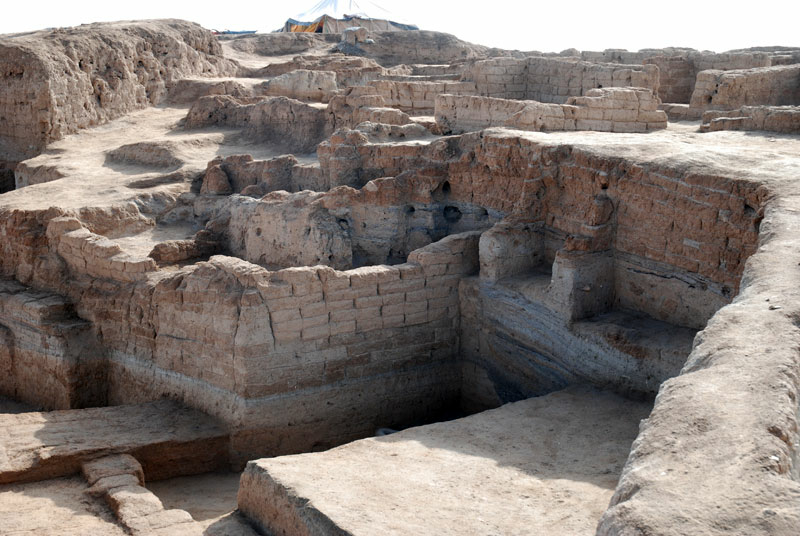
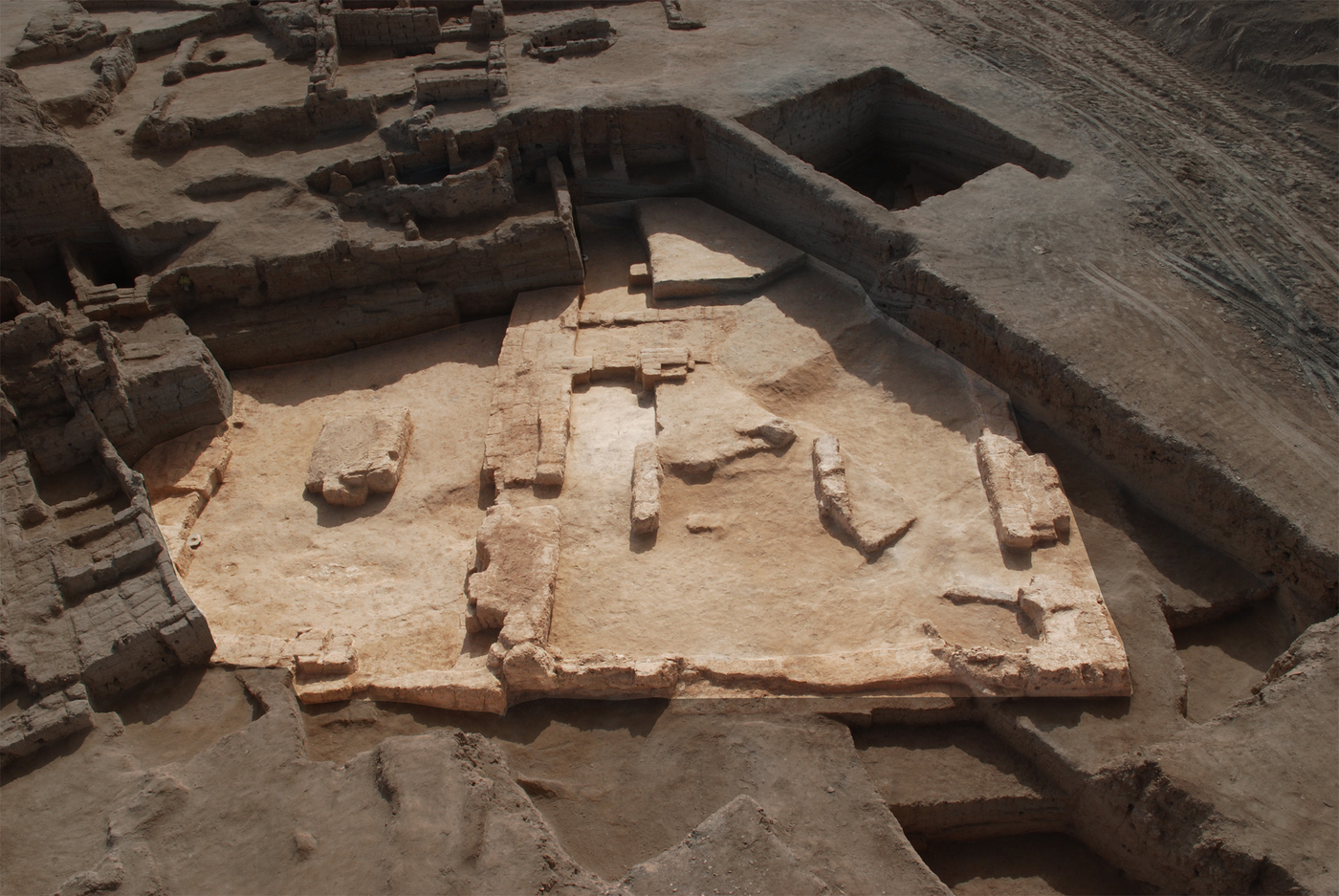
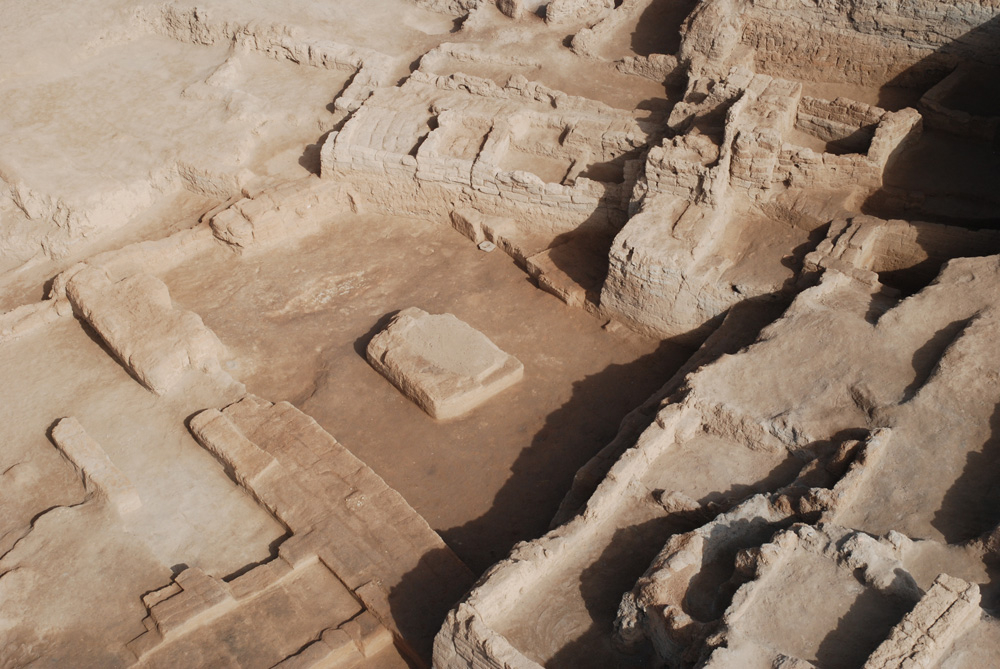
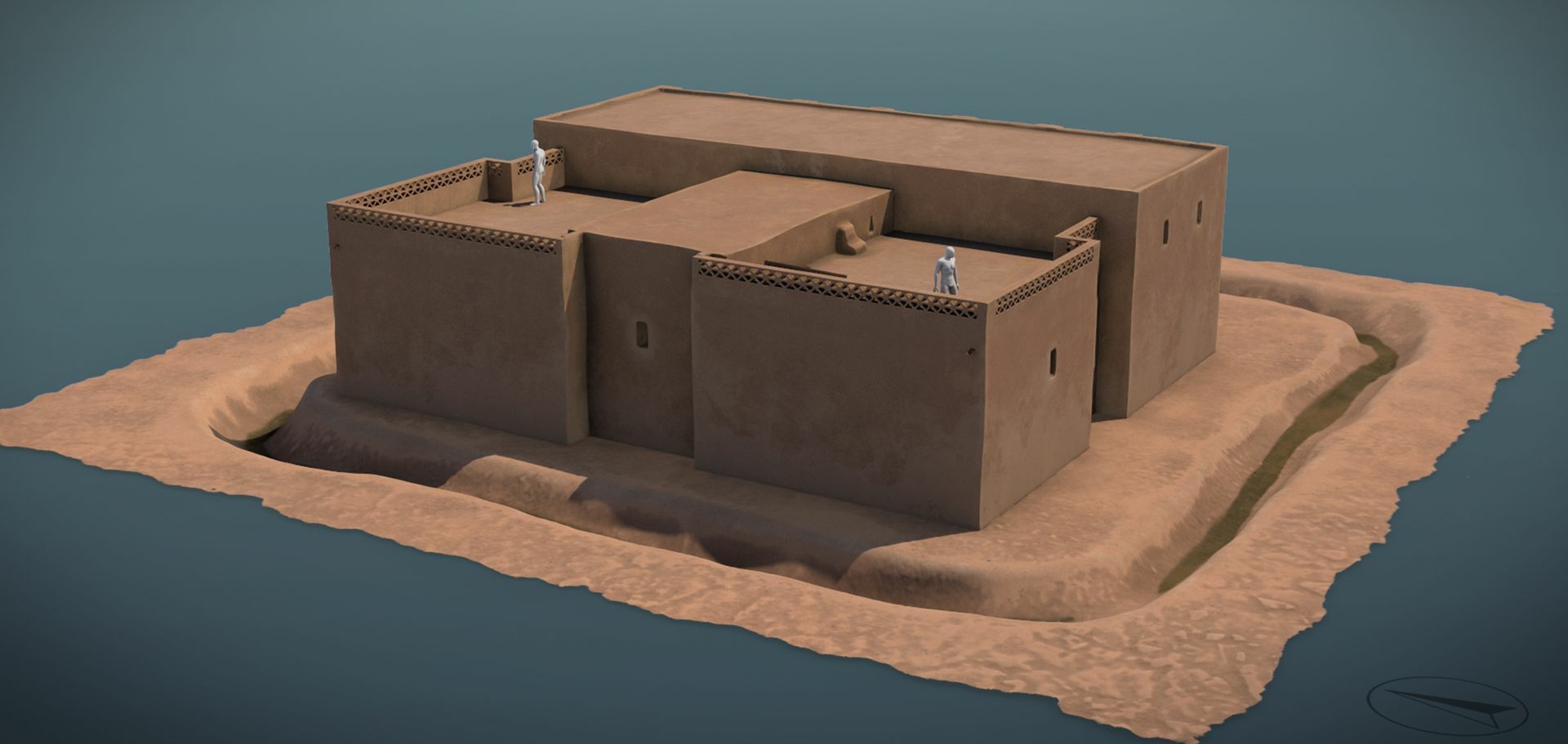
The excavations have brought to light architectural remains from three periods. A large public building dating from the dawn of the Late Chalcolithic period has been identified, attesting to the importance of the community in such a village. Later on, the village undoubtedly grew in importance, requiring a more organised layout, as evidence has been found of a planned settlement, characterised in particular by streets laid out at right angles. Finally, between 3700 and 3500 BC, the highest point of the site was reoccupied by a large residential complex and subsequently transformed into a simple hamlet dedicated to agricultural production.
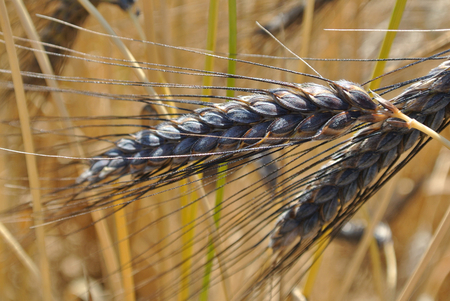
Excavations at the Tell Feres site have unearthed numerous artefacts that help to paint a picture of the daily life of the village's inhabitants. Studies carried out on the remains of charred seeds and animal bones found during excavations have made it possible to reconstruct the village's environment and to understand its subsistence economy, which was based primarily on gathering wild plants and livestock farming.
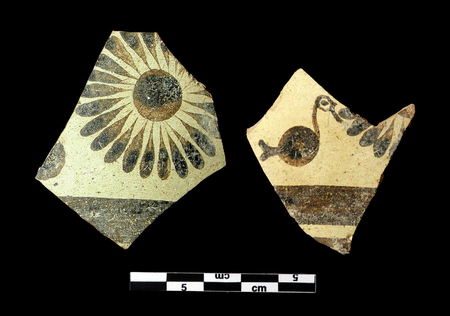
Originally a domestic activity, the production of ceramics gradually became the preserve of specialists for whom it was a full-time occupation. This is what we see at Tell Feres, where pottery workshops have been identified. This indicates a trend towards standardisation in production, but also a greater level of technical sophistication, which enabled the emergence of luxury goods reserved for an elite.
Tell Feres' mission is supported by the Labex ‘Les passés dans le présent’.
Find out more about Tell Feres by visiting the Bibliothèque d’Orient's ‘Patrimoines partagés’ collection, coordinated by the Bibliothèque nationale de France.
The fight against theft and illicit trafficking of cultural property is one of the priorities of the Ministry of Culture, which places great focus on all these issues, particularly through its independent role in regulating the movement of cultural property.