

Lashkari Bazar
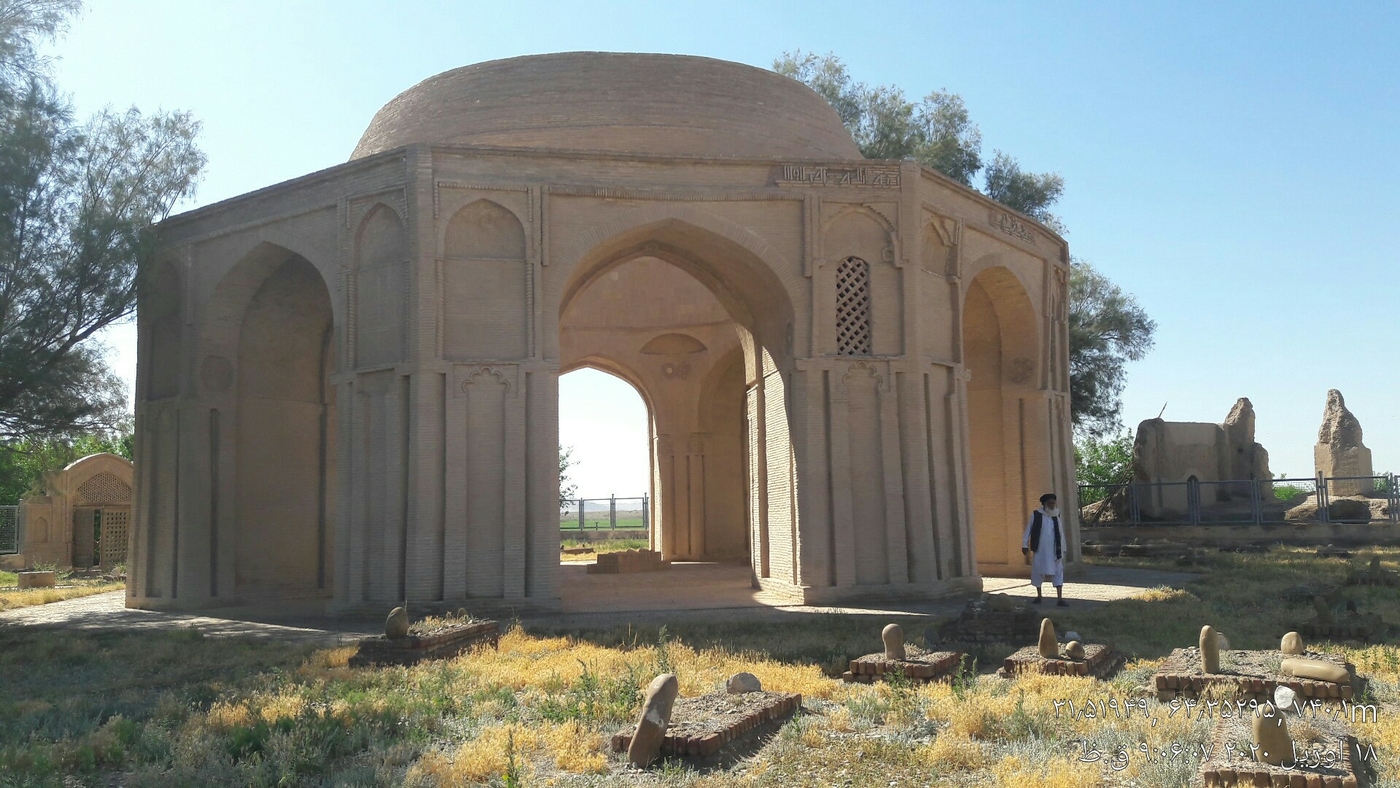
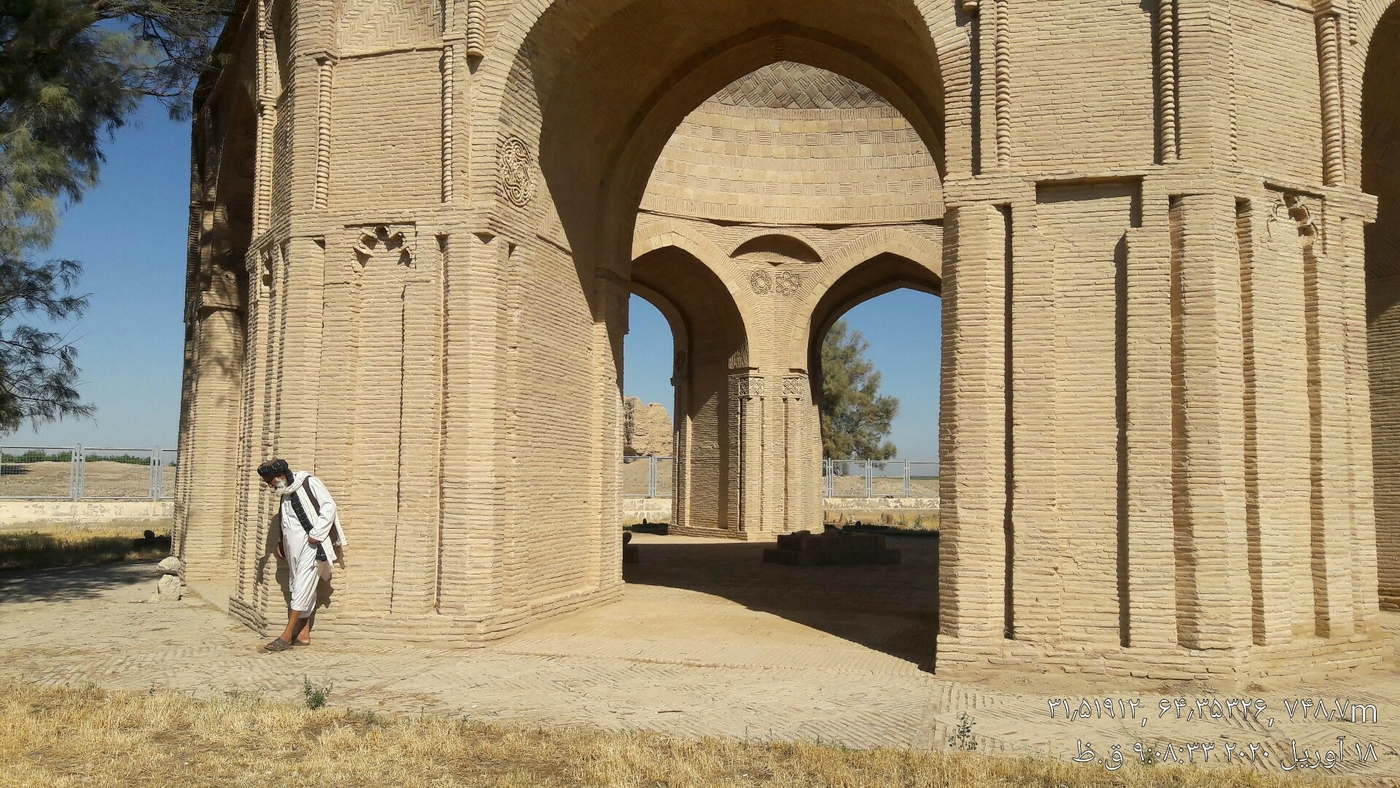
A rich and prosperous city from the 10th to the 13th century CE, Lashkari Bazar is now a mass of ruins gradually being swallowed up by the sprawling city of Lashkar Gah, the capital of Helmand province in southern Afghanistan.
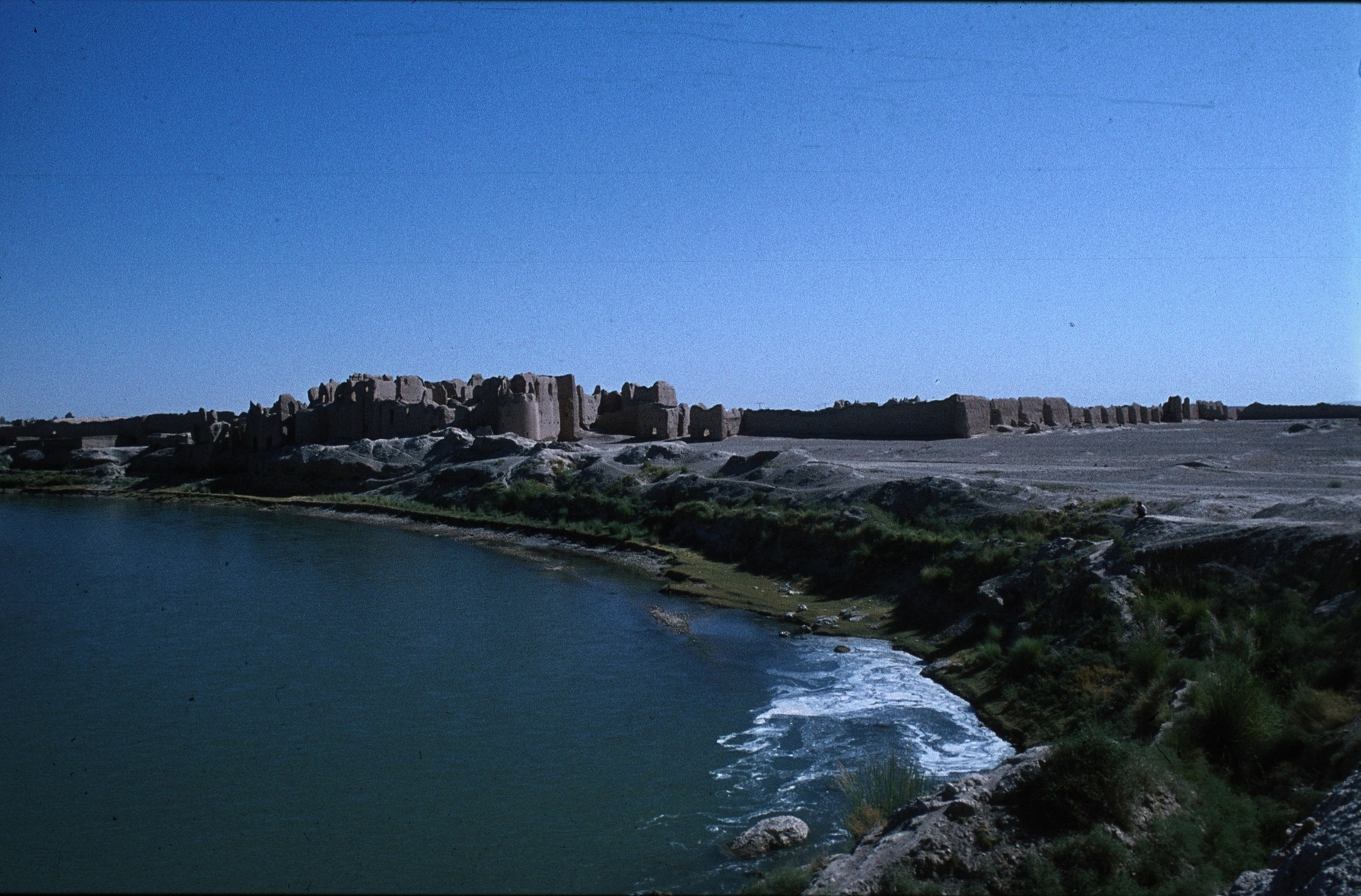
An extremely vast archaeological site
The site of Lashkari Bazar is located to the south of the city of Lashkar Gah, the capital of Helmand province. It stretches more than ten kilometres along the left bank of the Helmand River, between the modern city and the Bust fortress at its southern end. The site was excavated by the DAFA from 1949 to 1951.

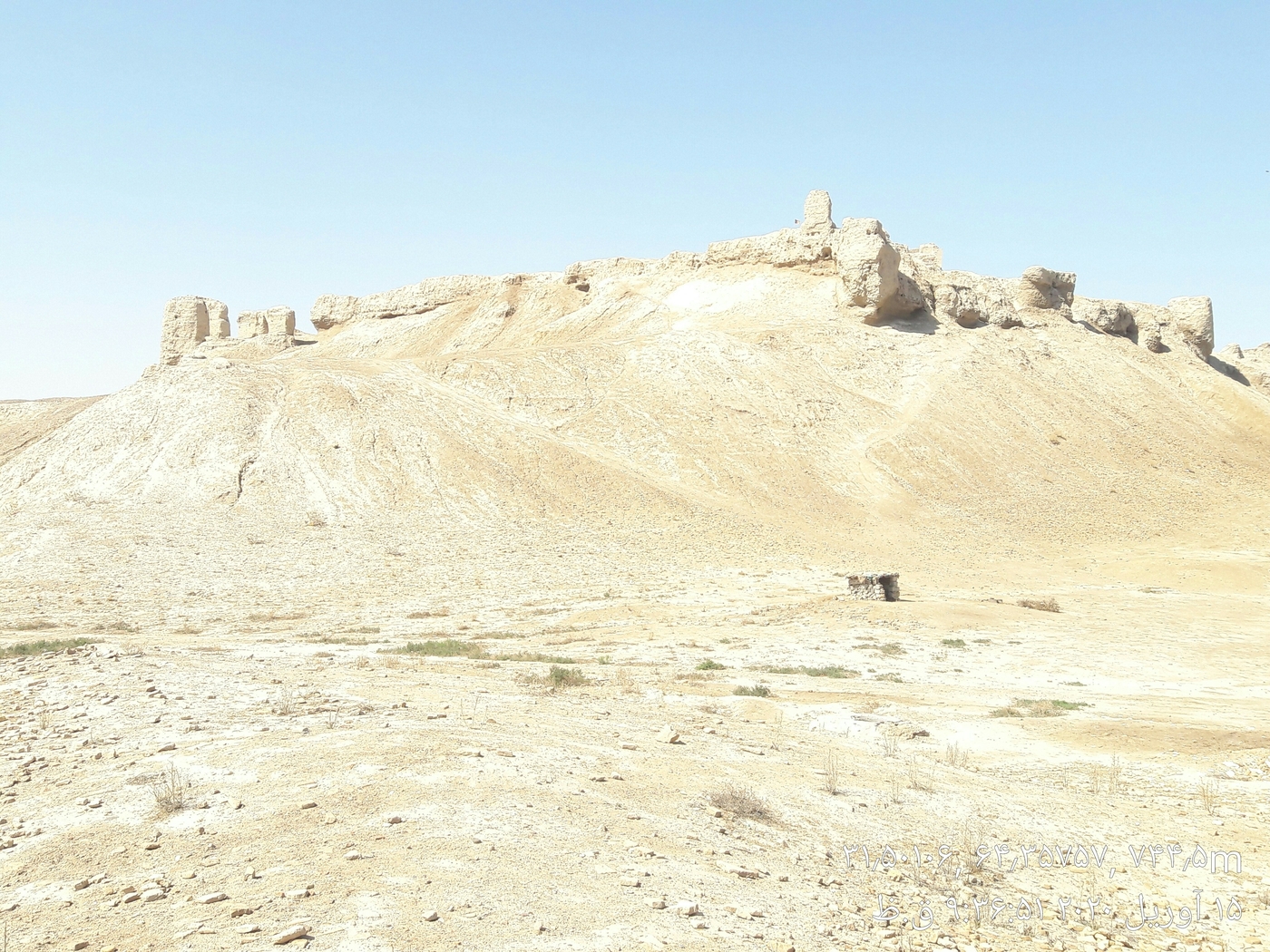
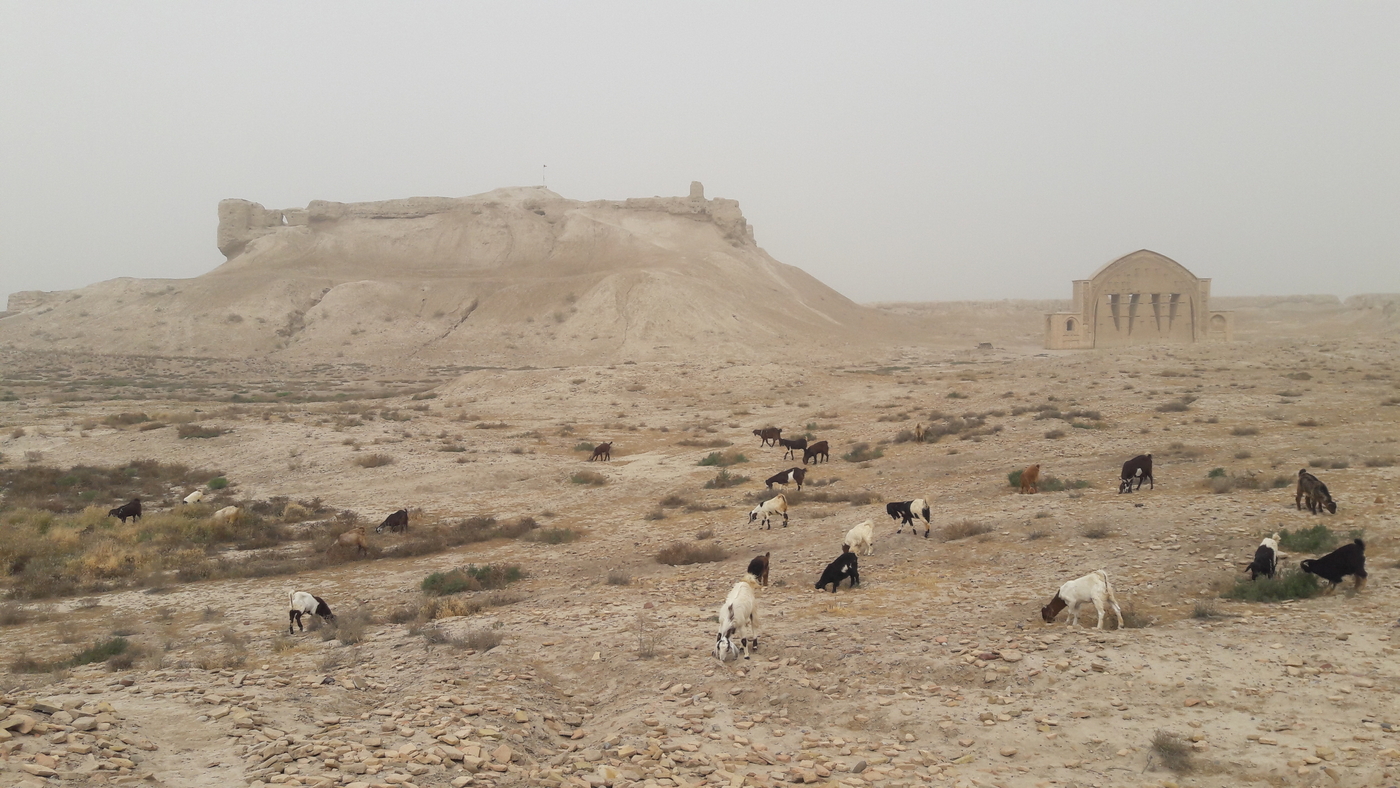
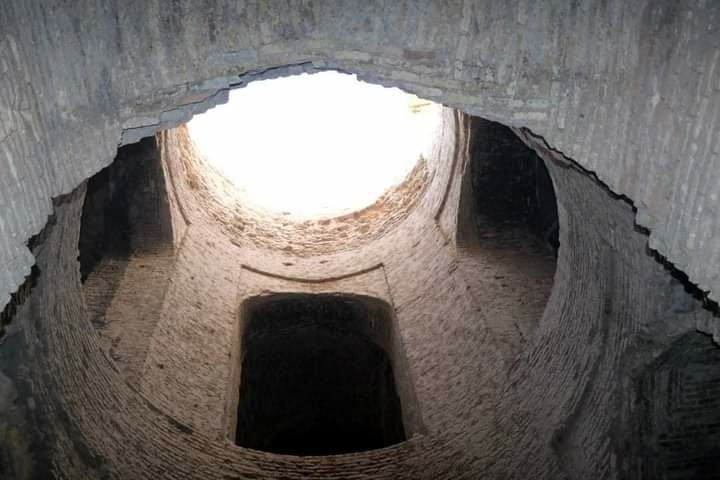

The winter capital of the Ghaznavid and Ghurid sultans
Identified as the winter capital of the sultans of the Ghaznavid dynasty (9-10th centuries) and the Ghurid dynasty (9-12th centuries), the site was probably occupied during the Bronze Age (3rd millennium BCE). It was abandoned in the 13th century, after being conquered by Genghis Khan.
Laskari Bazar is one of the best examples of what a royal capital might have been during the most prosperous period of the Islamic sultanates occupying Afghanistan. The palaces of different sultans were located along the river and separated by public areas, such as the large mosque and bazaar, or by large enclosed spaces for gardens and caravanserais.
A model for the study of Islamic palatial art
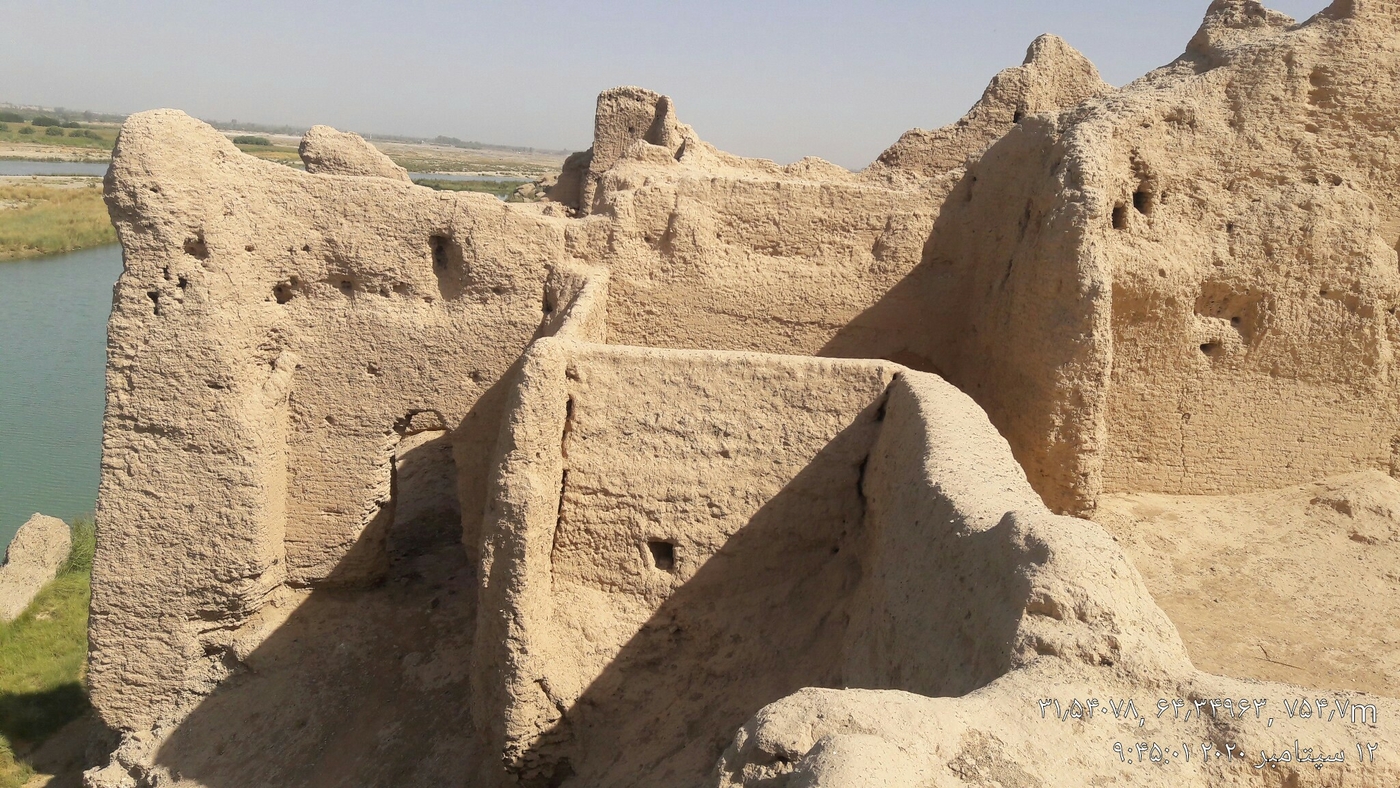
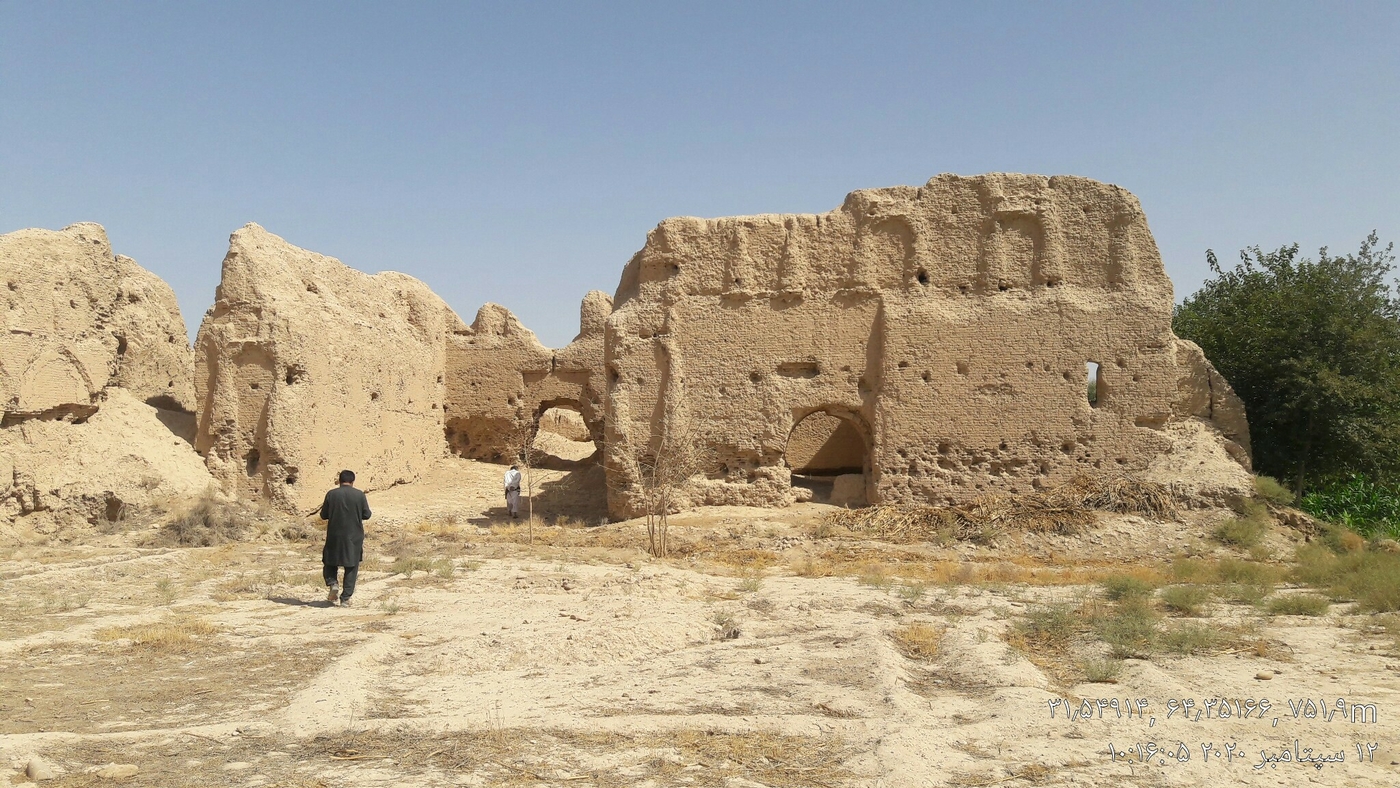
Of the fortified palaces built by the sultans, the best preserved is the Mas’ud palace (1031–1041). This vast quadrilateral was composed of the private apartments of the sovereign ds;with baths, a mosque serving as a private oratory and rooms for public servants and courtiers who were members of the political staff of the Sultan. The public and private areas were kept strictly separate inside this construction, which is also close to the large mosque and bazaar.
Wall paintings, unique for this period and depicting courtiers and court officers of the sultan taking part in official ceremonies, were found on the site. Restored and removed following the excavation, these paintings were sadly destroyed during the fire at the Museum of Kabul in the 1990s.
The large mosque and bazaar were recognised by the DAFA along with multiple ancillary structures such as the ice houses (Yakhdan) characteristic of the Ghurid architecture and art of living. Since the site was not reoccupied after the Mongol expeditions in the early 13th century, the palaces, mosques and caravanserais were "fossilised" in an excellent state of conservation, making it very easy to study and understand them.


A site under serious threat
From 2008, the palaces, due to their excellent state of conservation, were squatted by refugees fleeing fighting around Lashkar Gah; the buildings less well preserved in elevation have been destroyed or absorbed into a dense but makeshift urban fabric over the last fifteen years. At the request of the local authorities and the Afghan Ministry of Culture, the DAFA with one of the NGOs on the ground (HAFO) may relaunch this project with a social component at least as important as its heritage component. Without acceptable alternative accommodation for the refugees it will be impossible to begin conserving the buildings they currently occupy.