

The Marsoulas cave
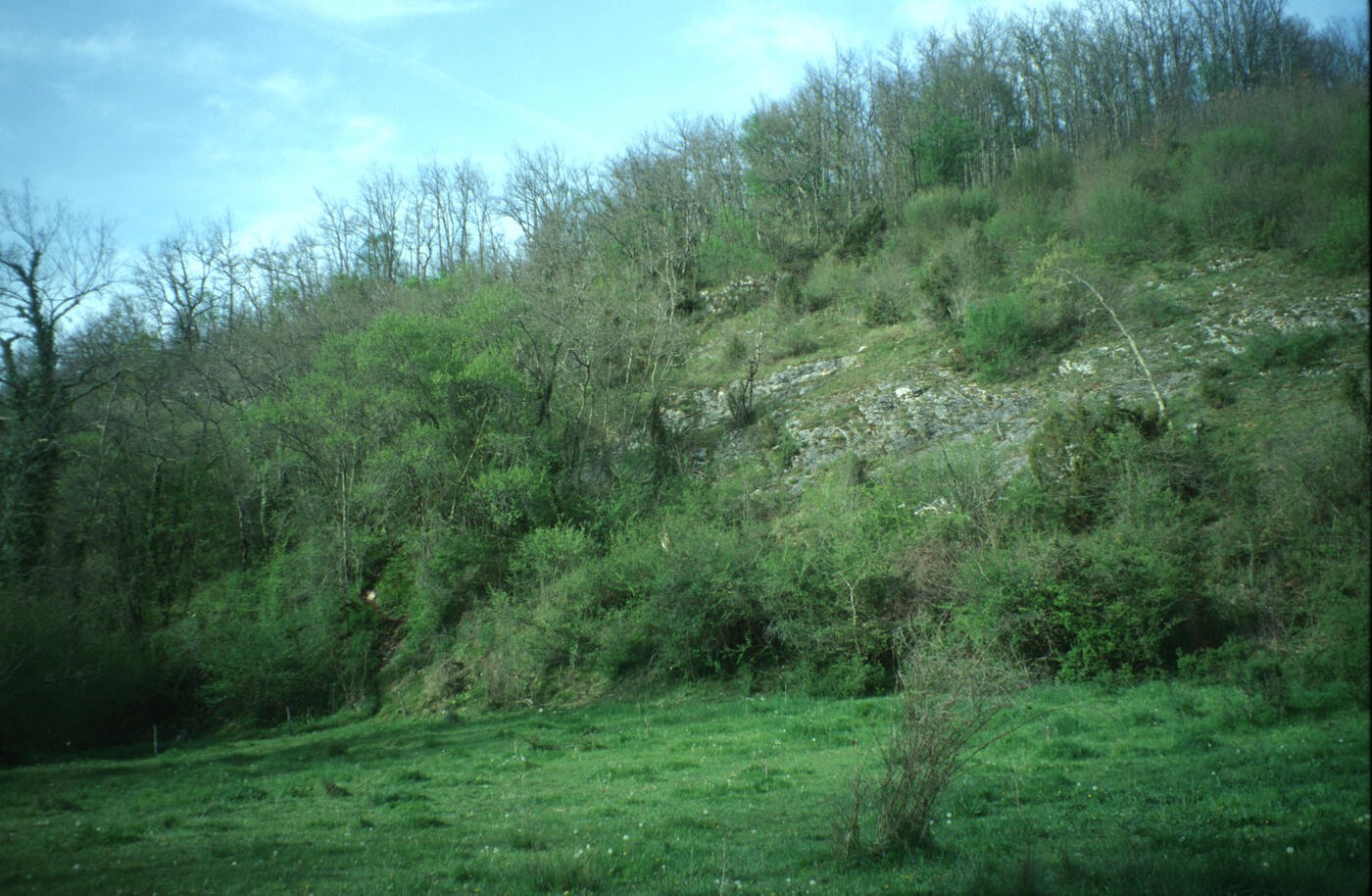
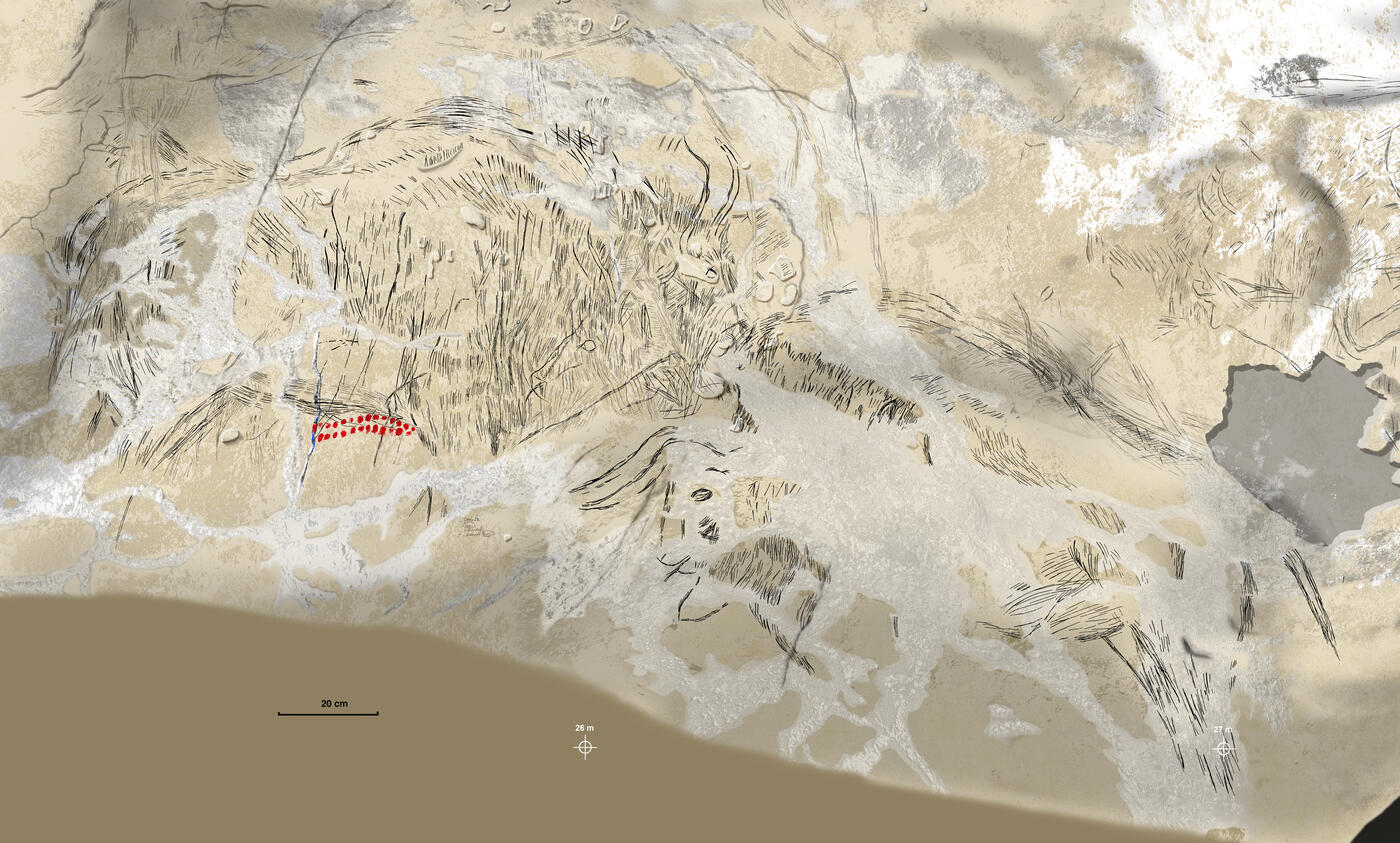
Located 80 km from Toulouse, the Marsoulas cave is hidden at the foot of the Pyrenees. 18,000 years ago, this cave was inhabited by nomadic hunters, living at the foot of the walls, which they also decorated. The cave art includes more than 600 engravings and paintings of animals, enigmatic human figures and geometric symbols.
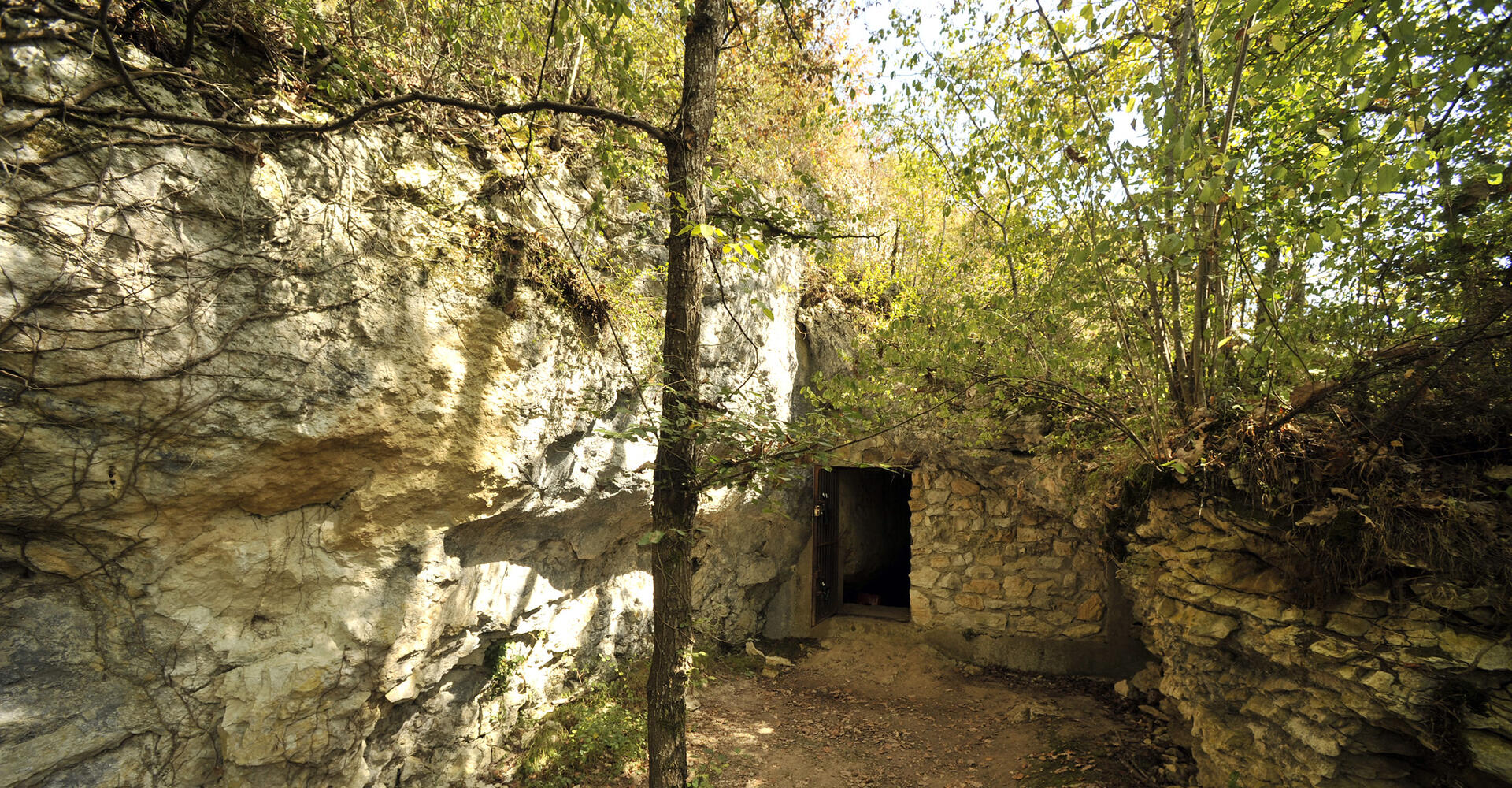
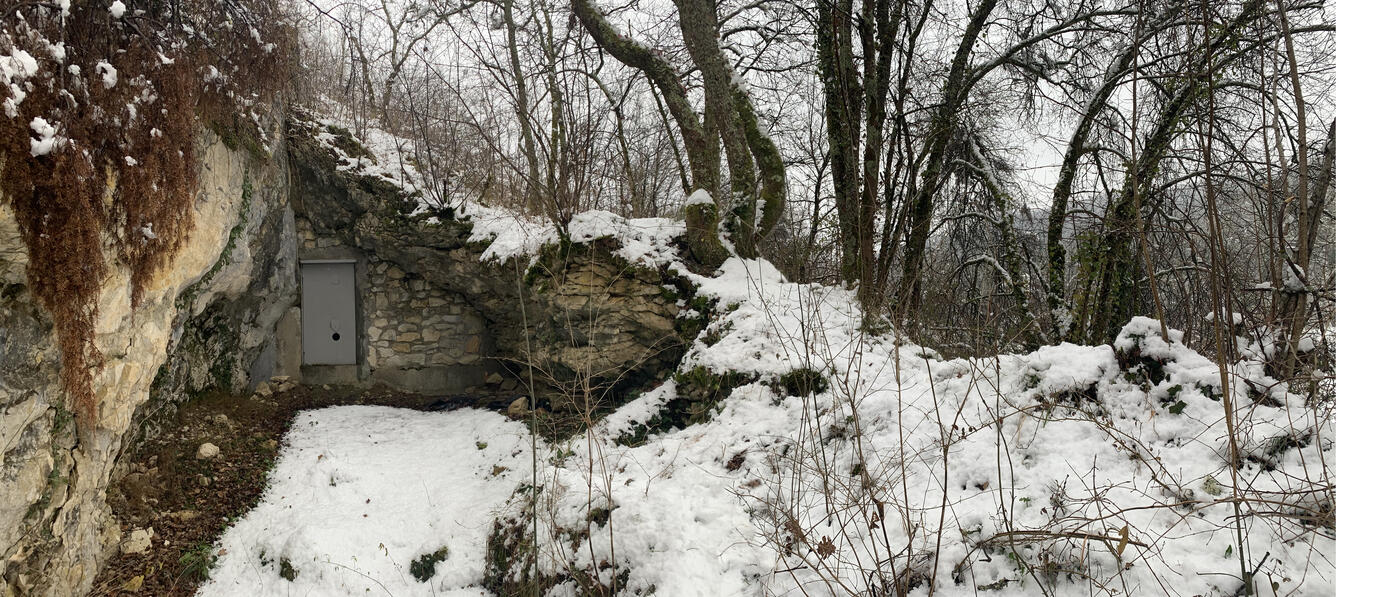
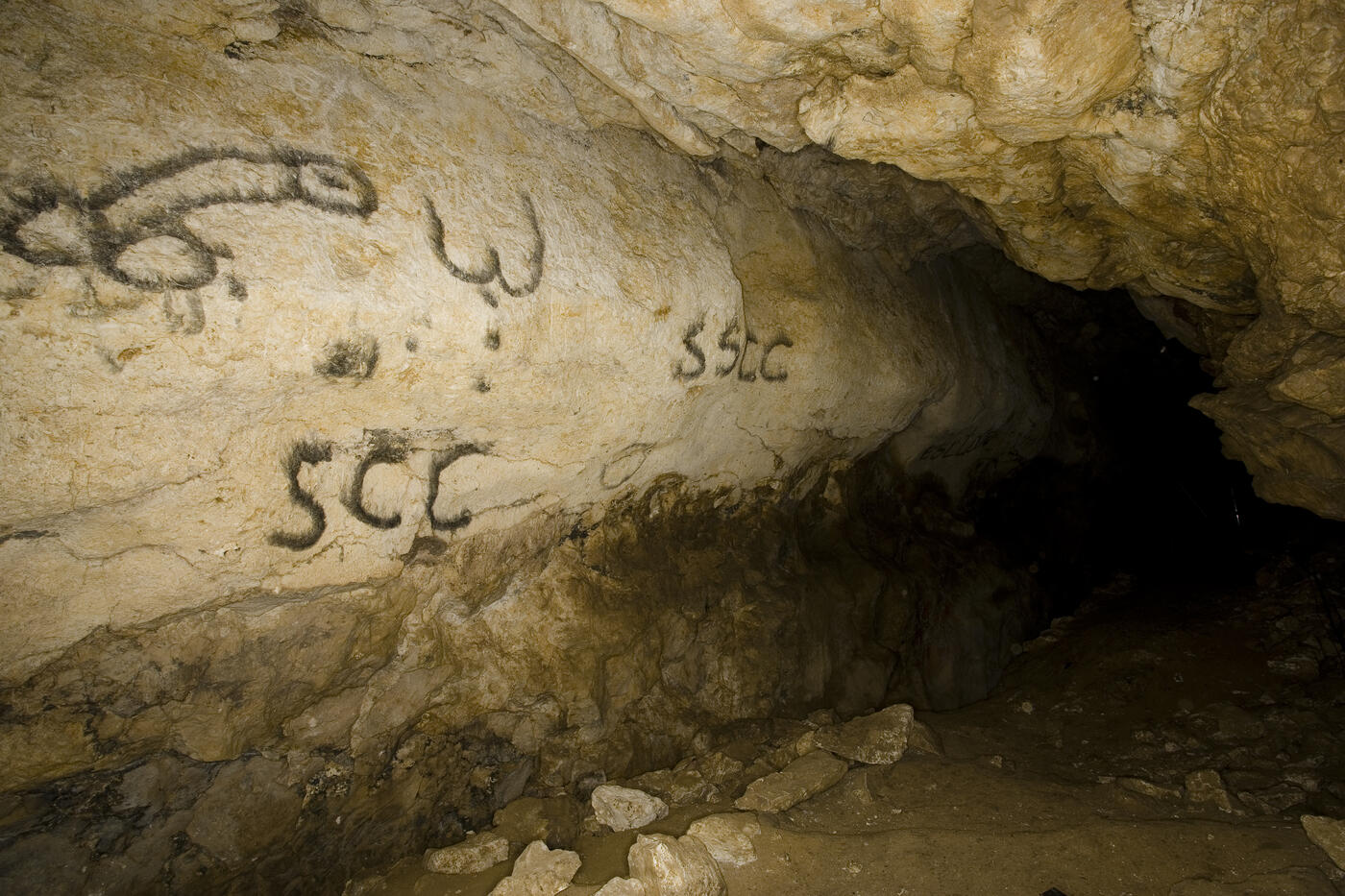
Marsoulas was the first decorated cave to be discovered in the Pyrenees in 1897, and was visited by tourists for almost a century. It was still little-known, however, when a CREAP team resumed its study in 1998. The fragility of the walls, the delicate nature of the engravings, the density of the superimposed works and the graffiti that defaces some of the panels are all constraints that digital and 3D technologies can help us to overcome. Research has led to an exceptional rediscovery of the cave…
When the sea conch resonated under the vaults…
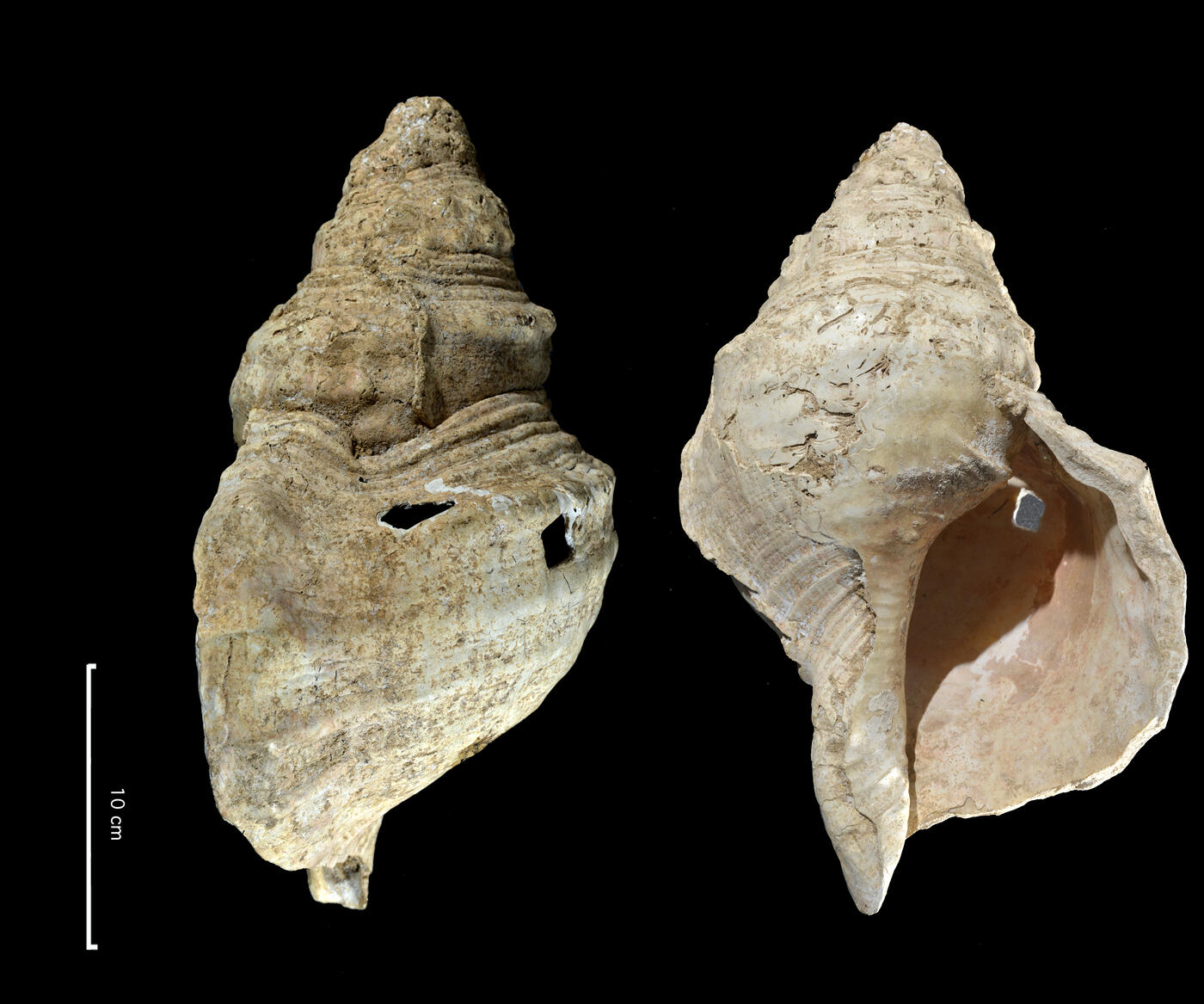
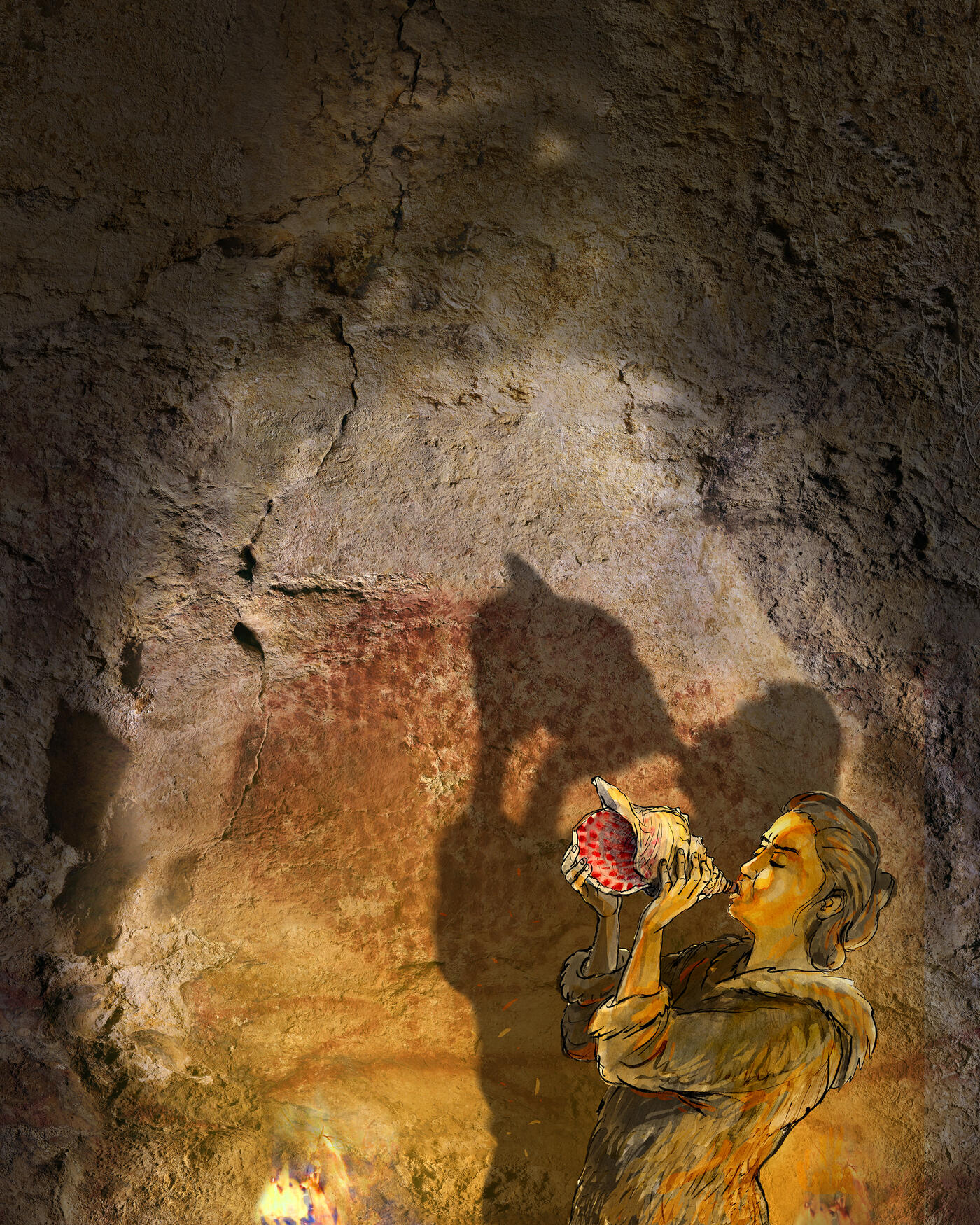
The first carbon-14 dating carried out in 2018 indicated that the cave was occupied several times in the early Magdalenian period, from 18,000 years ago. This limited use over one or two millennia explains the stylistic homogeneity of the cave art. Discovered in 1931, a large sea shell brought back from the Atlantic Ocean and transformed into a conch shell has recently been identified as a musical wind instrument, the only one of its kind from prehistoric times to have been discovered.


A "cave workshop"…
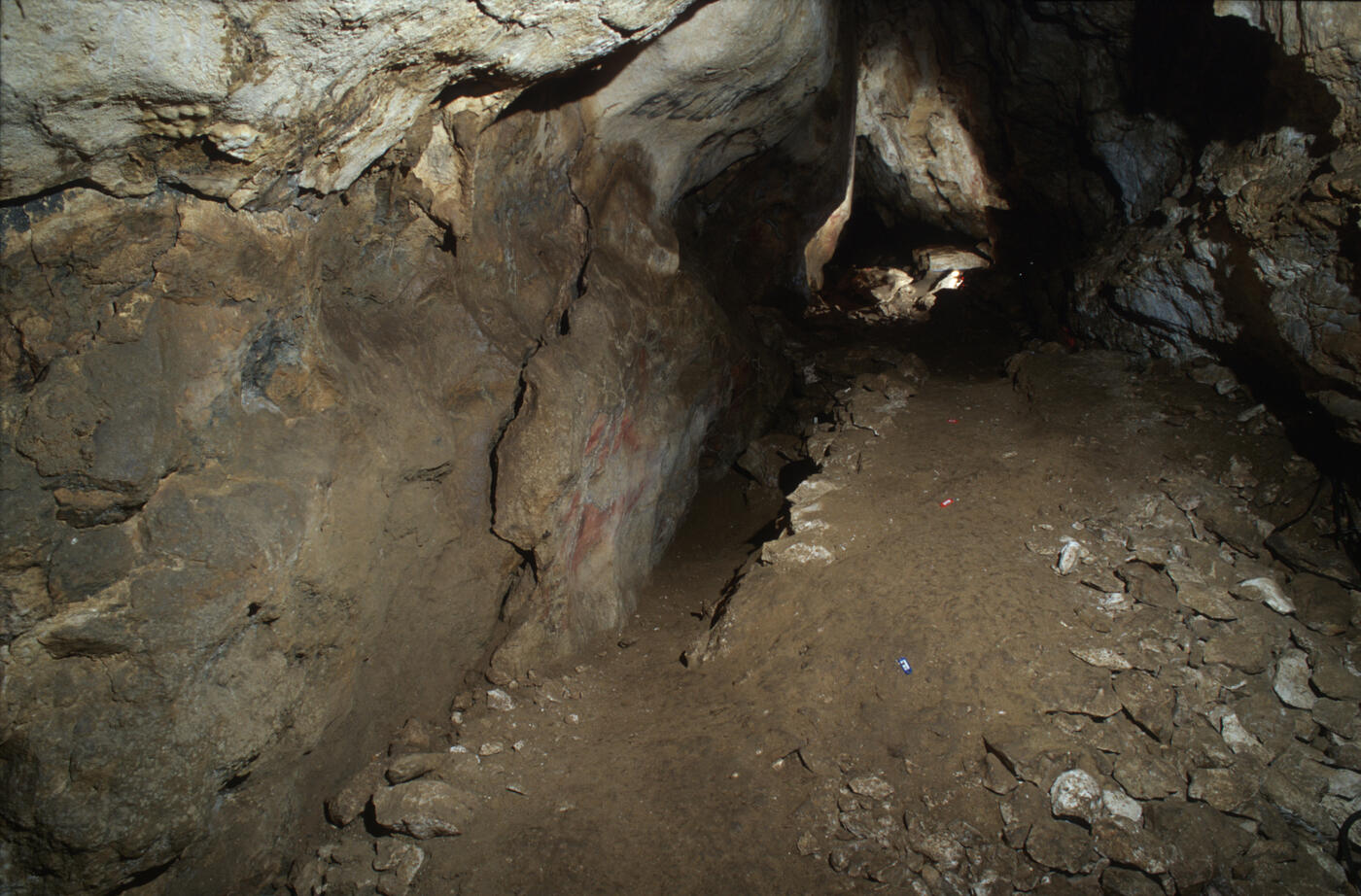
Although the conditions under which the first settlers moved and lived were less restrictive than they are today, the ground was more uneven, with boulders breaking up the space. The underground stream has played a major role in these changes. The presence of water in the depths may have been one of the reasons why this cave, which is defined as an decorated cave and not a dwelling, was chosen. The successive archaeological levels can be attributed to the stays of the artists who decorated the walls.
Bisons and humans, protagonists of the first myths?
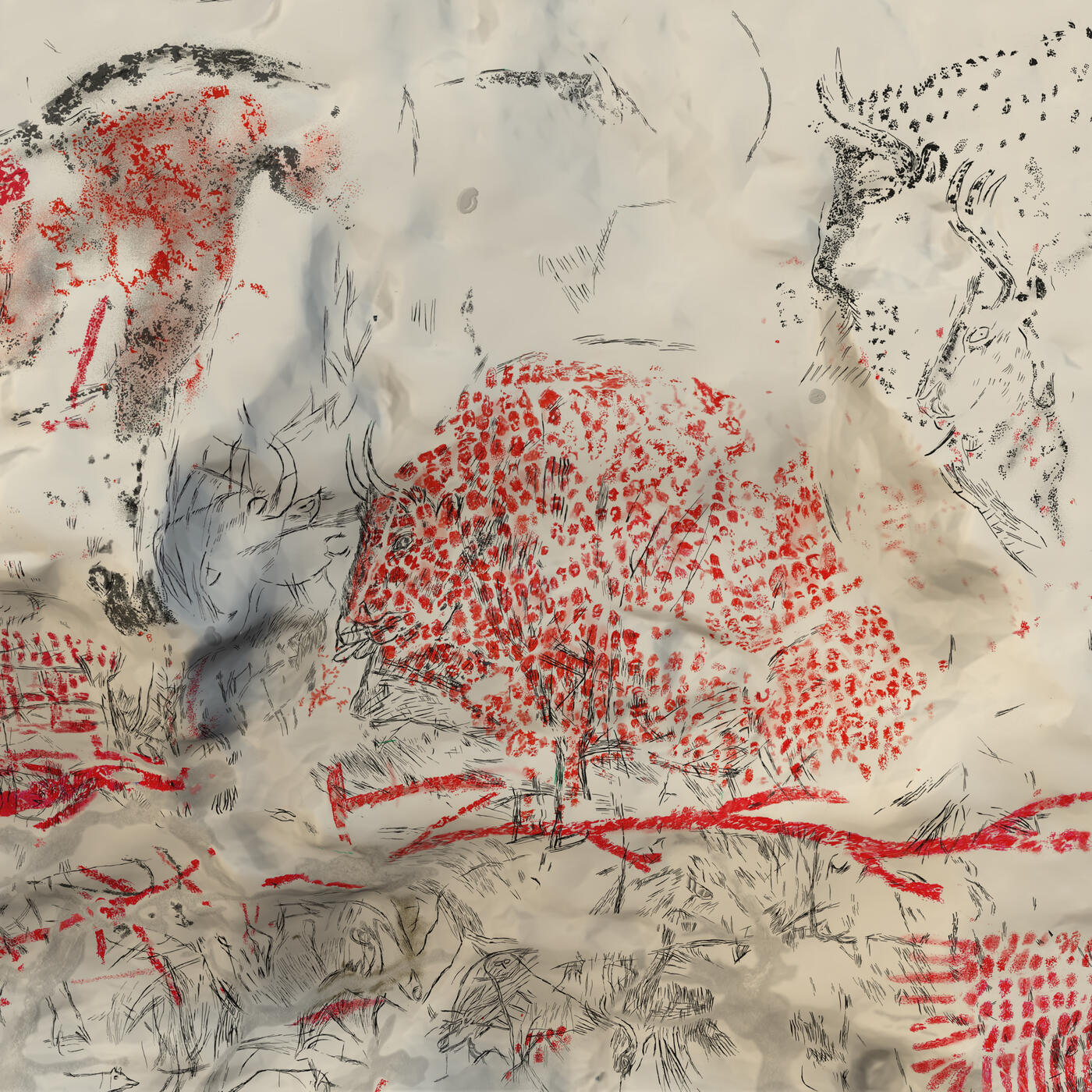
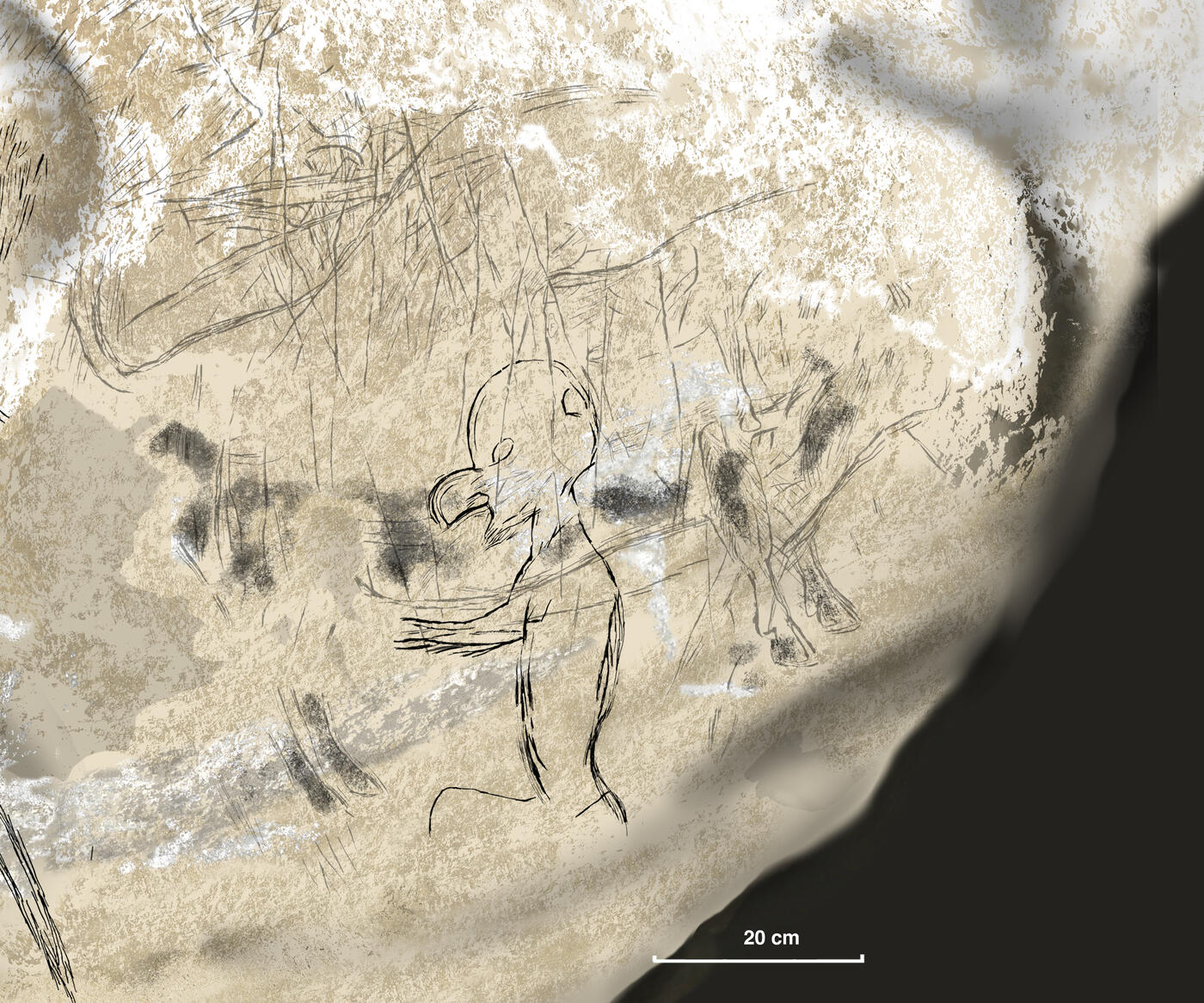
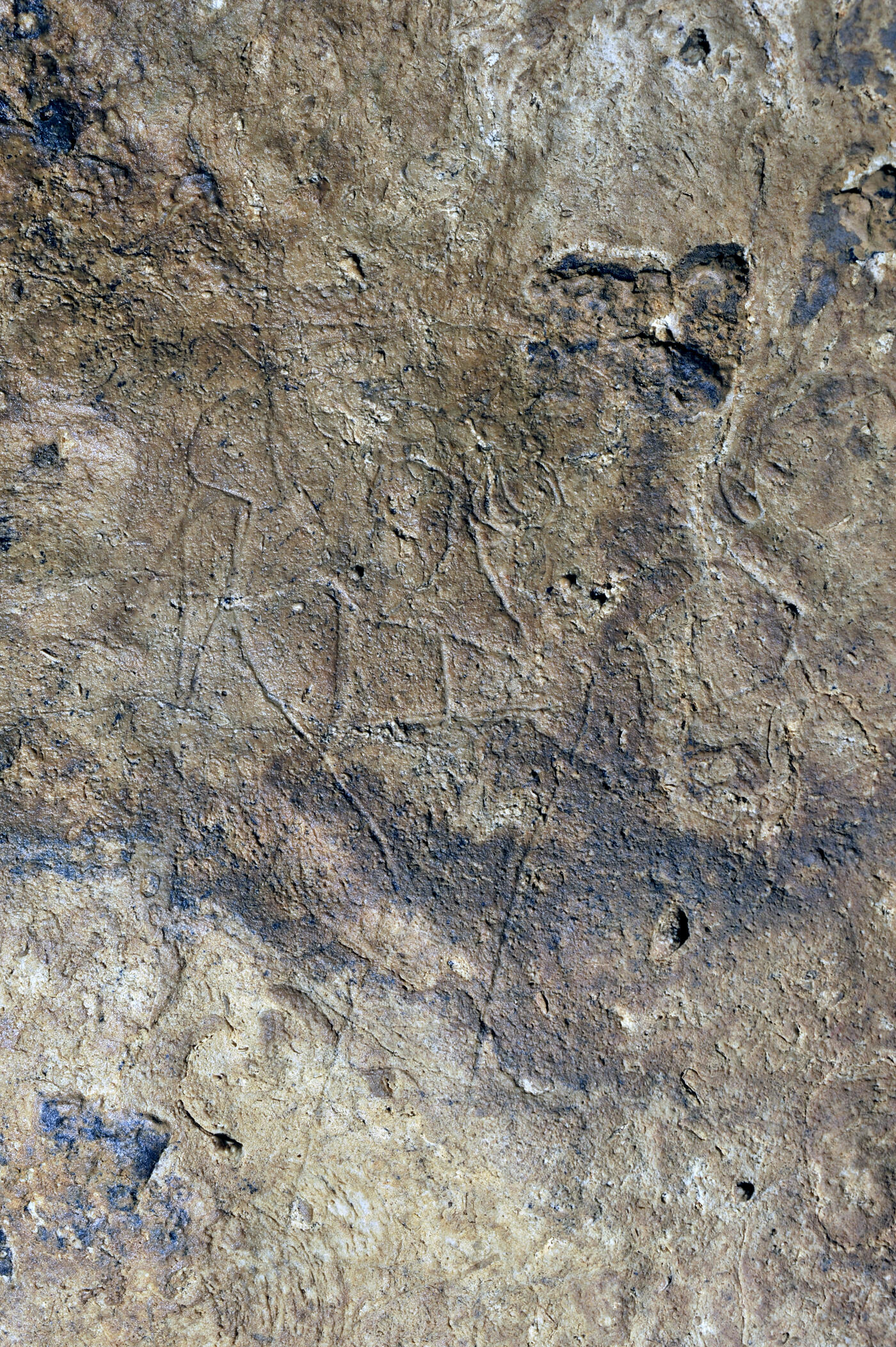
The emblematic species of the site is the bison (160 figures), whose life cycle (males fighting, mating) is represented. Around thirty simplified, grotesque or ghostly humans seem to be related to these bison, and can be interpreted as actors in stories, perhaps myths. Horses, ibexes, isards, hinds, owls, rhinoceroses, foxes, mammoths and cave lions complete the bestiary.
Enigmatic red symbols
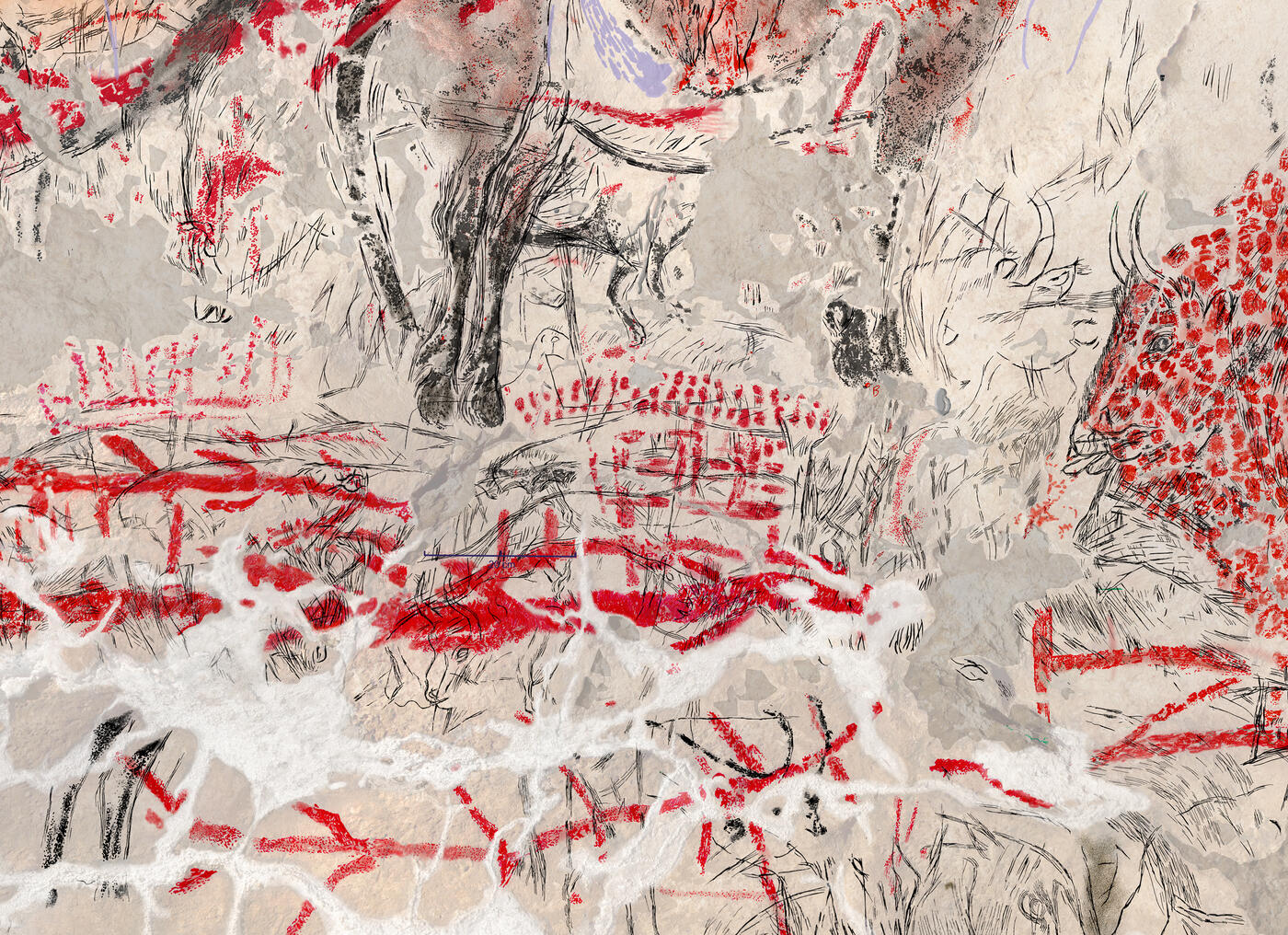
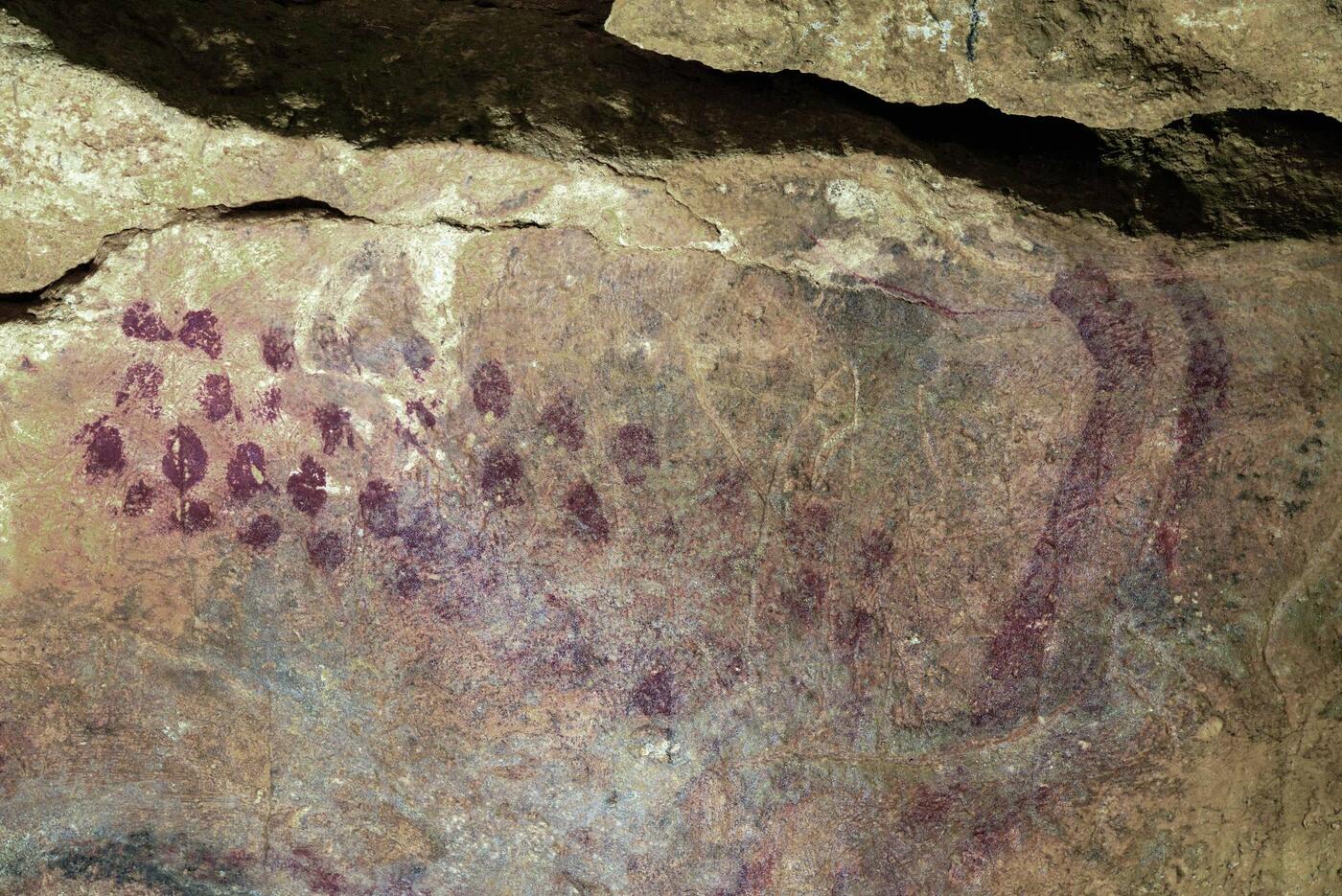
The walls of the cavity also feature around a hundred red or purple geometric symbols. Their names (tectiforme, barbed, T or inverted T, hook), which refer to their shapes, also reflect the difficulties we face in interpreting their meaning, as does their presence alongside animals and humans.
A network of decorated caves…
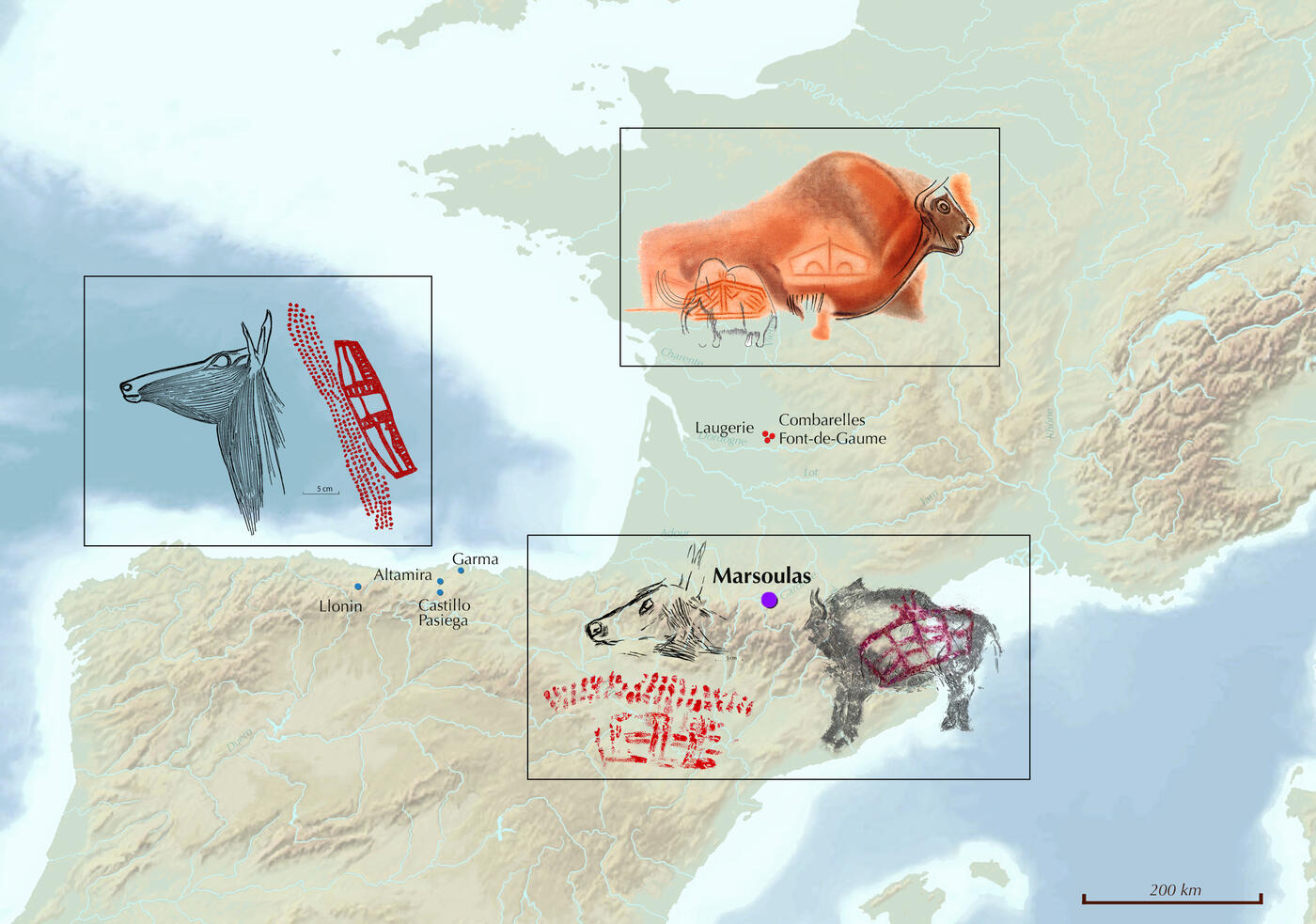
Similarities observed on the walls and in the archaeology point to links with Ariège, Périgord and Cantabria. Marsoulas appears to have been part of a network of short- and long-distance exchanges at the start of the repopulation phase in the Pyrenees following the Last Glacial Maximum, 20,000 years ago.
The research team
CREAP (Prehistoric Art Research and Study Centre, Humanities and Social Sciences Centre, Toulouse).
Director: Carole Fritz, CNRS Director of Research (cave art and archaeology);
- Gilles Tosello, CREAP Research Associate (cave art);
- Mark D. Willis, Researcher, Mark Willis Consulting and Texas University, Austin (3D, cave art);
- Philippe Walter, CNRS Director of Research (Archaeology and History of Techniques), LAMS (Molecular and Structural Archaeology Laboratory) UMR 8220, PMC University, Paris;
- Thomas Sagory (3D), National Archaeology Museum – Domaine national de Saint-Germain-en-Laye;
- Antoine Laurent (3D, GIS), PhD student, UMR 5505 IRIT Toulouse;
- Léo Bayel (3D), National Archaeology Museum – Domaine national de Saint-Germain-en-Laye;
- Michel Barbaza, Professor Emeritus, UMR 5608 TRACES (archaeology);
- Jean-Marc Pétillon, CNRS Research Fellow, UMR 5608 TRACES (archaeology);
- Laura Louman, Doctor (geomatics, ARCHAÉOS);
- Hubert Camus and Manon Rabanit (geology, PROTEE).